Fast removal helps protect floors, walls, and belongings

Water Extraction Services Smyrna GA

Water extraction services Smyrna GA helps homeowners and businesses remove standing water before it spreads into flooring, drywall, and insulation. We respond to pipe bursts, roof leaks, basement flooding, and storm damage with the right equipment for the affected materials. If water is still entering, shut off the source when safe and call us at (833) 546-4116; our team will assess the area and begin a practical extraction and drying plan.

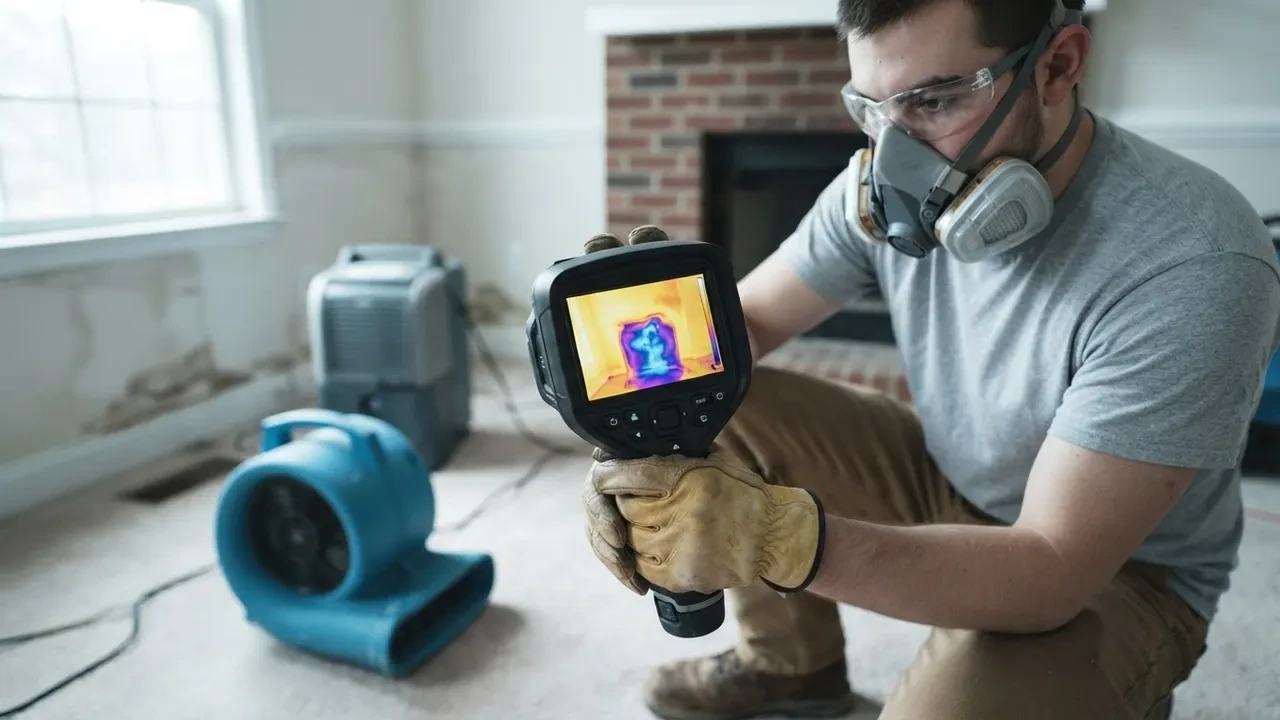
Water damage restoration in Smyrna : Close-up of a thermal imaging camera display showing a clear, colorful temperature
Careful work. Honest options.
About this service

Water Extraction Services Smyrna GA Explained

Water extraction services Smyrna GA is a water-removal service that pumps or vacuums standing water from a building after a leak, flood, or plumbing failure. Our team identifies the water source, checks affected rooms, and removes accessible water from carpet, hard flooring, and low areas. Moisture meters help us measure what remains in materials; drying equipment then manages humidity and airflow. Extraction is the urgent first phase, not a substitute for repairs or structural drying. We explain what needs attention so you can make decisions based on the actual damage.

Smyrna homes and businesses call for help after a washing-machine hose fails, a pipe bursts, a roof leak follows heavy rain, or a basement takes on water. In Cobb County, water can travel beneath carpet and along floor joints before a surface looks saturated. Our Smyrna water extraction services focus on tracing that spread and protecting unaffected rooms. For homes around Paces Ferry, we can address water extraction in Paces Ferry Smyrna GA with an inspection of the wet area, nearby transitions, and accessible lower spaces.

  • ✓ Less Water Underfoot
  • ✓ Earlier Material Decisions
  • ✓ Measured Drying Progress
  • ✓ Cleaner Work Boundaries
What's included

What Water Extraction Covers

Water extraction includes an initial assessment, removal of accessible standing water, and checks that guide drying equipment placement. We explain affected materials and document the work. Cleaning, sewage decontamination, mold remediation, plumbing repairs, and reconstruction are separate tasks when conditions call for them; we identify those needs instead of treating every water loss as the same job.

01
✓

Source and Area Check

We identify the likely source, inspect visible water spread, and note safety concerns before extraction starts. You can tell us what failed and when it began. We compare adjacent areas so water that traveled beyond the obvious puddle is less likely to be missed.

02
✓

Standing Water Removal

We use suitable extraction equipment to remove accessible water from floors, carpet, and low areas. The method depends on water depth, floor type, and access. We work through the affected zone systematically and keep you informed as the amount of standing water decreases.

03
✓

Moisture Readings

We check affected materials and compare readings with nearby dry areas. These measurements help identify where drying equipment is needed and where follow-up attention should focus. You get an explanation of what the readings indicate, not just a claim that the area feels dry.

04
✓

Drying Equipment Setup

When conditions call for continued drying, we place air movers and dehumidifiers based on room layout and material response. We explain equipment noise, power use, and access needs. Follow-up checks show whether the setup should continue or be adjusted.

05
✓

Next-Step Guidance

After extraction, we discuss whether cleaning, material removal, drying, or repairs remain. Contaminated water needs separate handling, and damaged plumbing or roofing must be addressed at the source. You leave the visit knowing what was removed and which actions come next.

How it works

What Happens During Extraction

Our first step is to identify whether water is still entering and which rooms are affected. If it is safe, we ask you to shut off the relevant supply or arrange a plumber for an active pipe failure. We inspect visible surfaces, check for electrical hazards, and map the affected zone. This initial assessment often takes 30 to 60 minutes, depending on access.

We compare moisture readings across wet and dry areas, inspect wall edges and floor transitions, and use thermal imaging where it helps locate temperature patterns. The camera does not prove moisture by itself, so we confirm findings with meters. You see which materials are affected and where extraction or further inspection is warranted.

We remove accessible water with pumps or extraction equipment selected for the volume and surface. Carpet may need specialized extraction; hard floors call for careful recovery at seams and edges. A small contained spill can take less than two hours to clear, while multi-room flooding takes longer. We keep you updated as the water level drops.

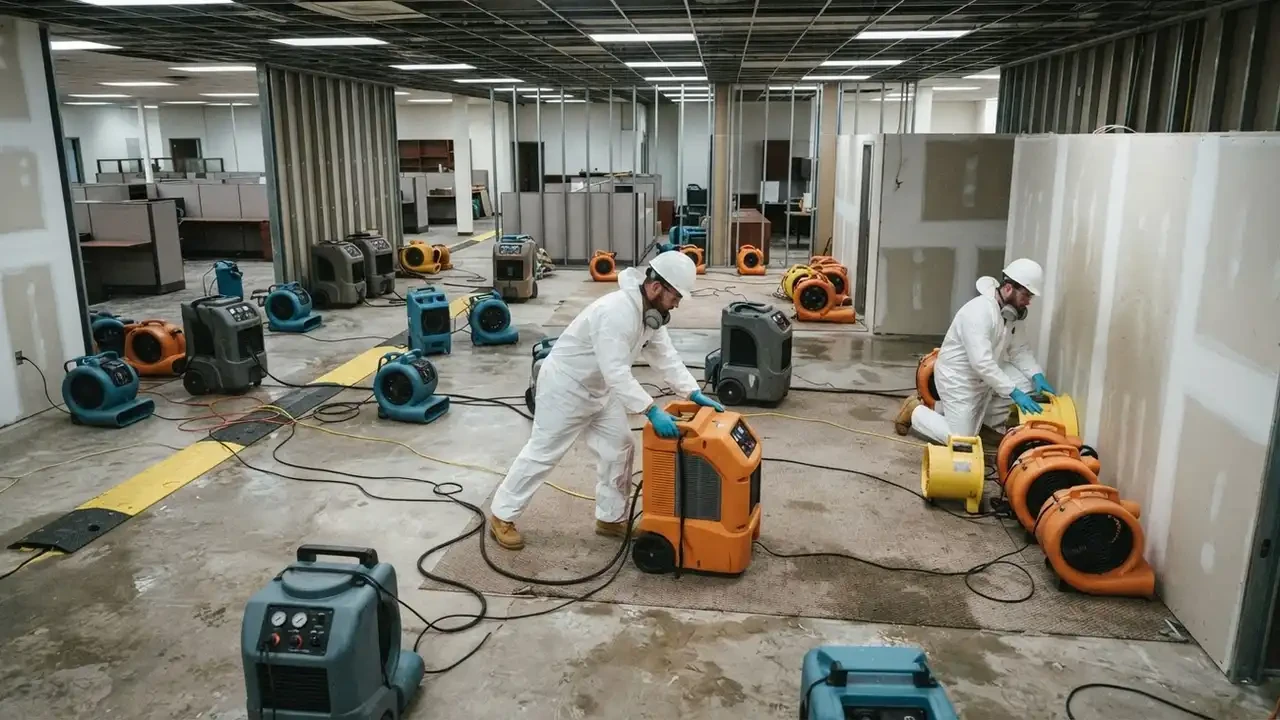
After extraction, we position industrial air movers and dehumidifiers to circulate air and remove moisture. Equipment placement depends on room size, material, and measured conditions. We explain noise, power needs, and access before setup. You can expect equipment to run continuously while the materials dry, with adjustments made after follow-up readings.

We return to measure progress, inspect equipment, and adjust airflow or dehumidification as needed. Drying often takes three to five days, though dense materials and hidden cavities can take longer. We record the readings and discuss any removal or repair work that remains. You know what has dried and what still needs attention.

Water damage restoration in Smyrna : aerial view inside a large commercial office space, showing multiple industrial
STEP 01Stop and Assess

Our first step is to identify whether water is still entering and which rooms are affected. If it is safe, we ask you to shut off the relevant supply or arrange a plumber for an active pipe failure. We inspect visible surfaces, check for electrical hazards, and map the affected zone. This initial assessment often takes 30 to 60 minutes, depending on access.

Tools & methods

Equipment and Drying Methods

01
✓

Moisture Meters

We use moisture meters to compare readings in wet materials with nearby reference areas. They help track drying progress in drywall, flooring, and other accessible surfaces.

02
✓

Thermal Imaging Cameras

Thermal imaging cameras help us spot temperature patterns that may point to a concealed wet area. We confirm findings with direct moisture checks before deciding what work is needed.

03
✓

Industrial Air Movers

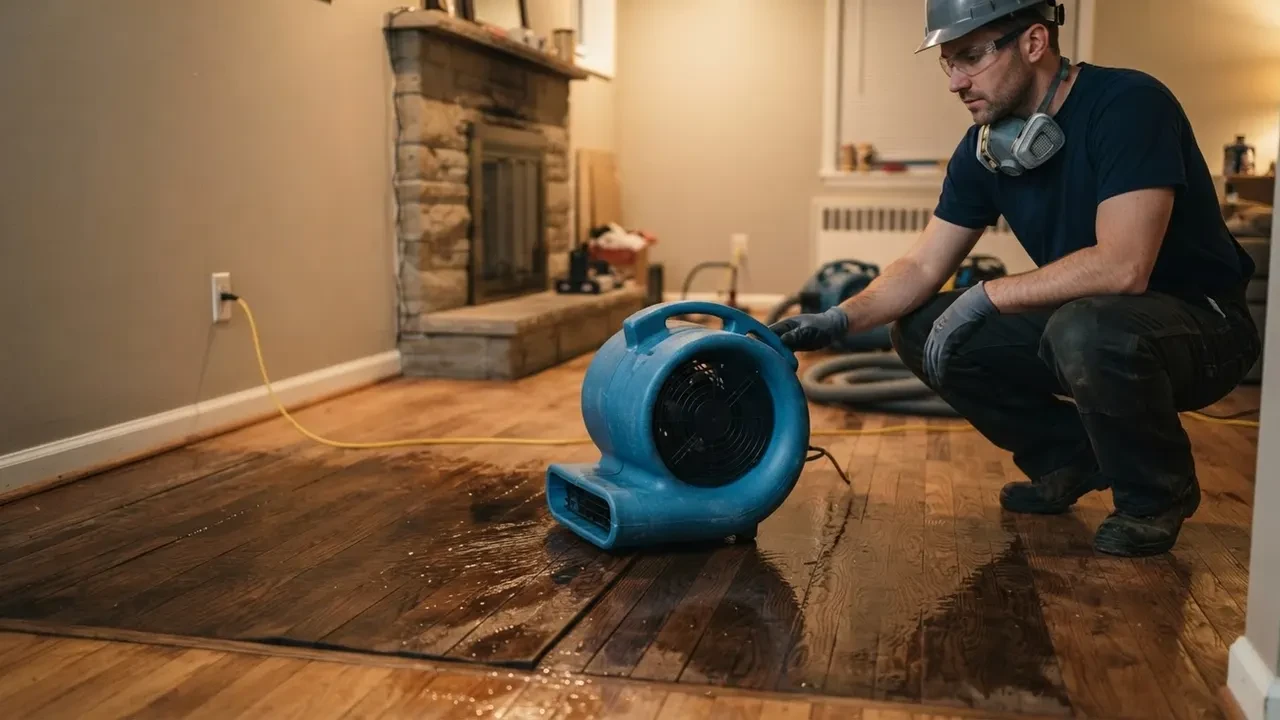
Industrial air movers direct airflow across wet surfaces after extraction. Placement depends on room layout and material response, and we adjust the setup as readings change.

04
✓

Dehumidifiers

Dehumidifiers remove water vapor from indoor air while wet materials release moisture. We select locations based on the affected area and monitor conditions during follow-up.

05
✓

Water Extraction Units

Water extraction units recover pooled water from carpet and hard surfaces. We choose the method to match water volume, surface type, and access rather than using one setup everywhere.

Real results

Before and After.

Water damage restoration in Smyrna : Close-up of a powerful industrial air mover positioned to dry a section of wet hardwood
Water Extraction Services

Laundry Leak and Hallway Carpet

A failed washer hose left water across a laundry room and into the hallway. The carpet looked wet at the surface, but the homeowner could not tell whether the padding or nearby drywall had been affected. The water source was shut off, yet moisture remained at the room transition.

After: We extracted accessible water, checked the carpet edge and adjacent wall, and set drying equipment based on the readings. A follow-up check after 24 hours showed improving conditions in the measured areas. The homeowner had a clear record of what dried and which materials needed further attention.

Book this service →
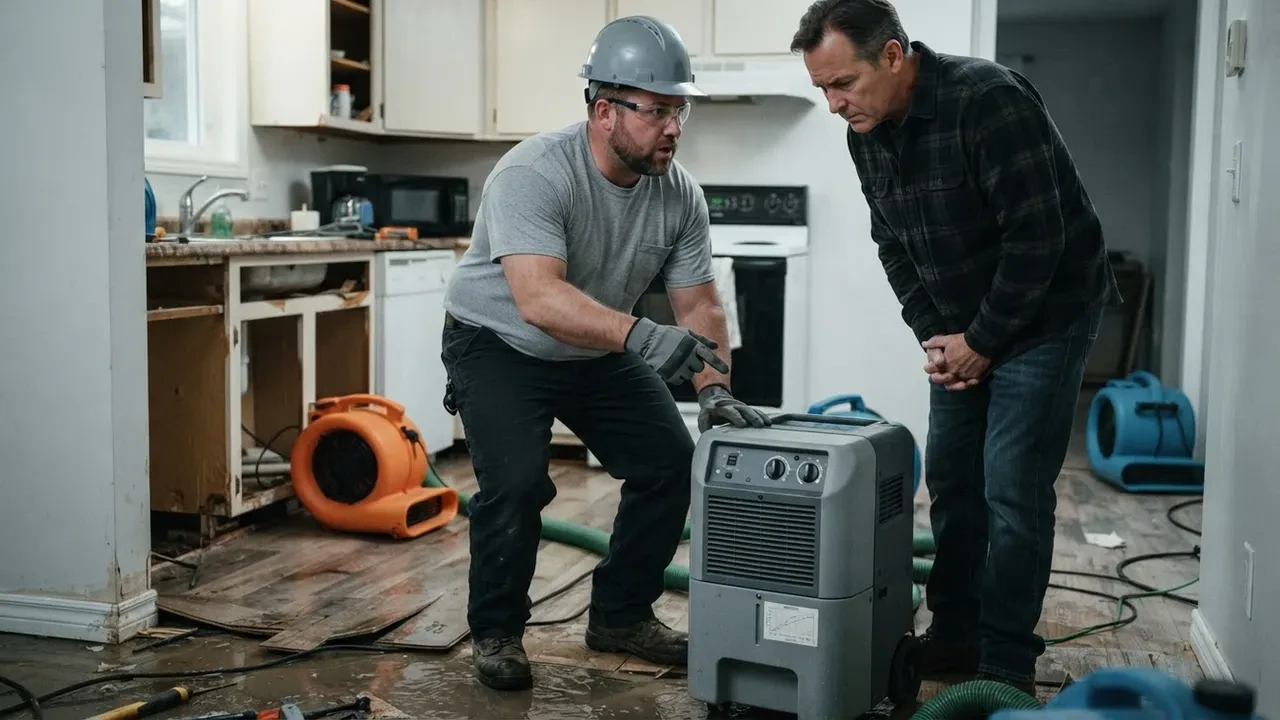
Water damage restoration in Smyrna : restoration technician explaining the drying process to a male homeowner in his
Water Extraction Services

Basement Water After Heavy Rain

Water collected across a finished basement floor after a storm, reaching stored boxes and the lower edge of a wall. The homeowner had removed a few belongings but could not see how far the water had moved beneath flooring or behind trim.

After: We removed the standing water, moved affected contents out of the work area, and measured moisture along the lower wall and floor. Air movers and a dehumidifier supported drying over four days, with readings checked during follow-up. The property owner had documented areas for any needed material repairs.

Book this service →
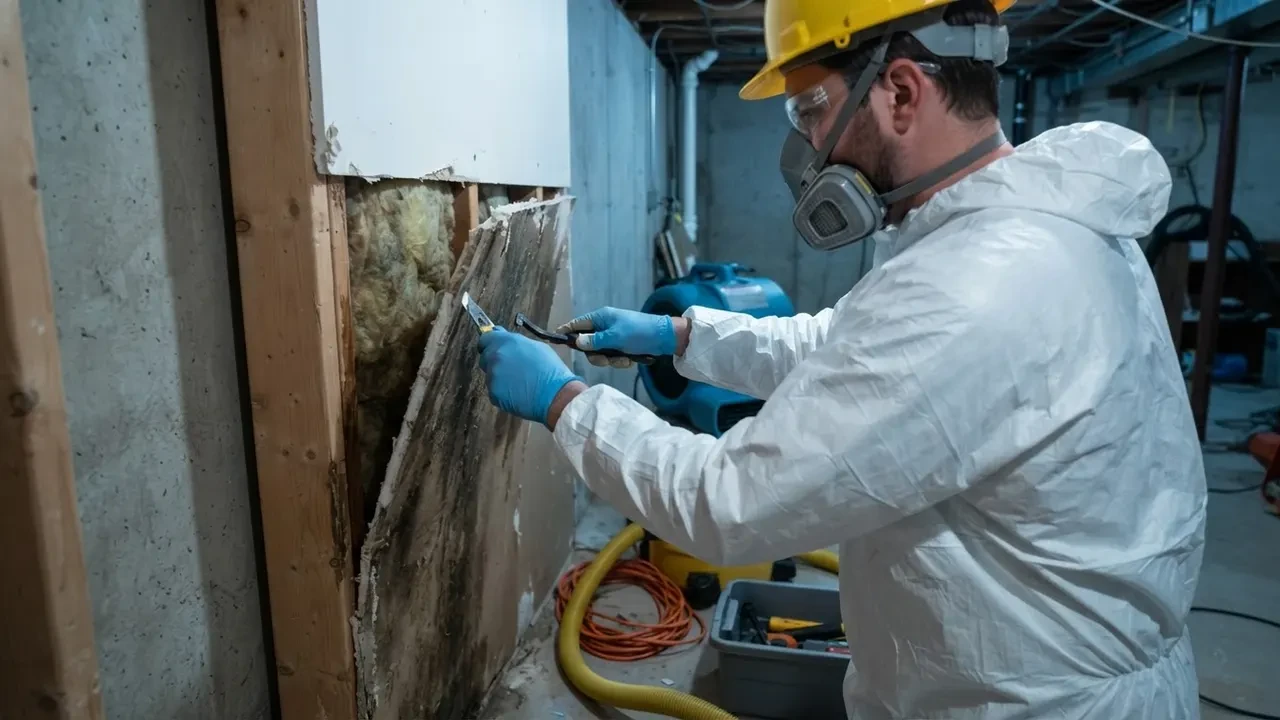
Water damage restoration in Smyrna : restoration technician in full PPE, including a respirator, carefully removing a
Water Extraction Services

Roof Leak Over a Bedroom

A roof leak after a storm left a ceiling stain and damp carpet in a bedroom. The visible spot did not show whether water had spread toward the wall or entered the insulation above the ceiling. The room needed assessment before surface repairs.

After: We inspected the affected ceiling and carpet, extracted accessible water, and used moisture readings to guide drying. Equipment ran for three days before the measured areas showed progress suitable for the next repair discussion. The homeowner knew the roof opening had to be corrected before interior materials were closed.

Book this service →
Problems we solve

Problems Solved by Smyrna Water Removal

Water left on a floor is only part of the problem; it can move beneath carpet, into wall edges, and under cabinets. Our team removes accessible water and checks where moisture traveled. If you need affordable water extraction services in Smyrna Georgia, we will discuss the affected area and work required before starting.

Ask a pro →
01

A Burst Supply Line Has Soaked Flooring and Nearby Drywall.

We confirm that the leak has stopped, extract standing water, and check the floor and wall edges with moisture meters. If readings show water has entered drywall or insulation, we explain the drying or removal options. You get a clear separation between emergency extraction and the plumbing repair.

↗
02

Rainwater Has Collected in a Basement After a Storm.

We assess water depth and safe access, remove the standing water, and inspect the lower perimeter for moisture. We then set drying equipment where needed and identify the entry point for follow-up repair. If a sump pump contributed to the problem, we can direct you to the related repair service.

↗
03

A Roof Leak Has Wet a Ceiling and the Room Below It.

We check the affected ceiling and floor, avoid disturbing unstable areas, and extract water from accessible surfaces. Moisture checks guide whether further inspection or material removal is needed. You will know why the roof opening must be fixed before interior repairs are completed.

↗
04

A Sewage Backup Has Left Contaminated Water Inside.

We restrict access, assess the affected zone, and use appropriate protective procedures for contaminated-water cleanup. We remove water and materials according to the conditions, then explain cleaning and drying steps. Keep children and pets away from the area until it has been assessed and cleaned.

↗
Proof you can check

Training and Work Standards

  • Water Damage Restoration Technician · IICRC
  • Applied Structural Drying · IICRC
  • Applied Microbial Remediation Technician · IICRC
  • EPA Lead-Safe · U.S. Environmental Protection Agency
Good questions

Water Extraction Questions, Answered

(833) 546-4116 →

A contained extraction job may vary while larger losses can be higher for larger losses. The price in Smyrna depends on water volume, affected rooms, contamination, material removal, and drying time. We assess the conditions and explain pricing before work proceeds. Repairs, specialized cleaning, and reconstruction can add cost beyond extraction.

Removing standing water often takes two to six hours, while drying commonly takes three to five days. The extraction itself depends on water depth, room count, and flooring; wet insulation or hidden cavities can extend the full job. We check moisture readings during follow-up visits and adjust equipment rather than relying on a fixed schedule. You will know which phase is underway.

Coverage depends on your policy and the cause of the water loss; sudden accidental pipe damage is often treated differently from gradual seepage. Call your insurer promptly, take photos, and keep receipts or job documentation. We can record affected materials and provide service details for your claim file, but your carrier makes the coverage decision. Ask whether emergency mitigation is authorized.

Call Smyrna Water Damage Company at (833) 546-4116 for 24/7 water extraction in Smyrna GA. Tell us where the water is, what caused it, and whether it is still flowing. If you can safely shut off the source, do so; avoid wet areas near electrical hazards. We will assess access and the affected rooms, then explain the extraction and drying steps.

Ready when you are

Call for Water Extraction in Smyrna

Standing water spreads into flooring and wall edges while it sits. Our team uses measured checks to guide extraction and drying. Call Smyrna Water Damage Company at (833) 546-4116 and tell us what happened; we will explain the next step and upfront pricing.

Call for Help (833) 546-4116 →
Request an appointment

Contact Our Team

Call (833) 546-4116 for help with a leak, flooded room, sewage backup, or mold concern in Smyrna. Calls are accepted around the clock for urgent restoration requests, and we connect you with independent companies serving the area. Share your neighborhood or ZIP code, the water source, and whether the damage is still active so we can direct your request.

Request received — our team will be in touch shortly.
↗
Emergency?Call now