Clear findings for homes and businesses after leaks

Water Damage Assessment Smyrna GA: Find Hidden Moisture

Water damage assessment Smyrna GA gives homeowners and property managers a clear picture of where water traveled, what materials are affected, and what needs attention first. Our team checks visible damage and concealed moisture after pipe bursts, roof leaks, or flooding, then explains the findings in plain language. If you need a water damage inspection Smyrna GA, we help you act before damp drywall, flooring, or insulation becomes a larger repair.

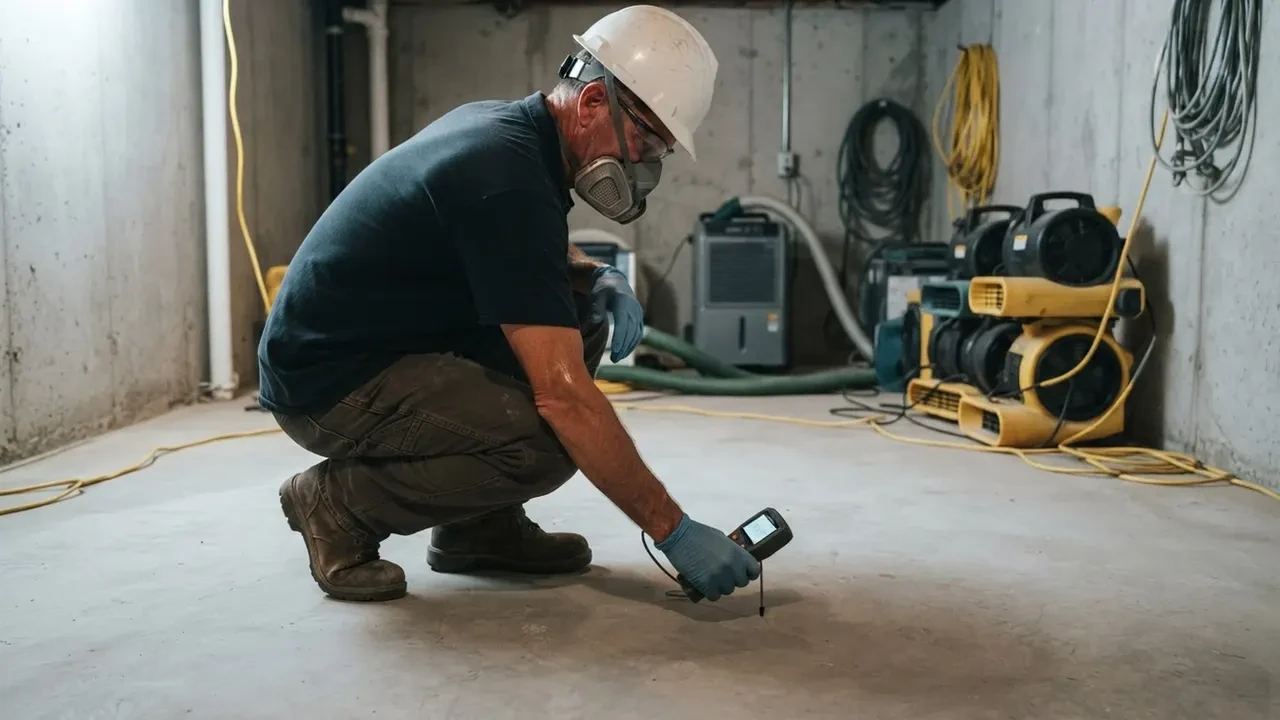
Water damage restoration in Smyrna : detail shot of a clean, dry concrete basement floor after water damage restoration
Careful work. Honest options.
About this service

Water Damage Assessment Smyrna GA Explained

Water damage assessment Smyrna GA is a property evaluation that identifies the source, extent, and moisture impact of a water event so owners can choose appropriate cleanup and repairs. We inspect affected rooms, record visible conditions, and use moisture meters and thermal imaging cameras to check beyond the surface. Readings help distinguish damp materials from dry ones; they do not replace opening a concealed cavity when evidence points to trapped water. You receive a practical explanation of what is wet, what should be monitored, and what action comes next.

In Smyrna, a small ceiling stain after a roof leak can point to wet insulation, while a pipe burst may affect flooring and wall cavities across several rooms. Basement flooding, sewage backups, and crawl space moisture also call for different safety and documentation steps. Our water damage assessment services in Smyrna Georgia account for the building materials and the likely path water took. If you searched for water damage assessment Smyrna GA near me, our findings help you decide whether extraction, drying, or repair is the immediate priority.

  • ✓ Find Hidden Wet Areas
  • ✓ Set Repair Priorities
  • ✓ Document Visible Conditions
  • ✓ Reduce Repeat Damage
What's included

What Your Assessment Covers

A water damage assessment covers a visual walk-through, moisture checks in accessible affected areas, basic documentation, and a discussion of practical next steps. We explain the apparent water source and the materials that show signs of impact. Water extraction, drying equipment, material removal, mold remediation, and reconstruction are follow-on services when indicated; the assessment identifies whether those actions fit the conditions we observe.

01
✓

Source and Path Review

We look for the apparent source and follow visible water clues into nearby rooms or levels. You can tell us when the issue began and what changed; that context helps us check likely routes such as a wall cavity, ceiling, or flooring transition.

02
✓

Material Moisture Checks

We take readings on accessible affected materials and compare them with reference points nearby. Drywall, flooring, and trim can respond differently to water, so we interpret readings alongside the material and visible condition rather than applying one threshold to every surface.

03
✓

Photographs and Notes

The assessment records affected locations, visible damage, and relevant measurements. Photographs and concise notes give you a useful record for restoration planning, property management, and discussions with your insurer. You can ask us to explain any finding as we document it.

04
✓

Next-Step Explanation

We explain whether conditions point toward source repair, extraction, drying, monitoring, or further access to a concealed area. You receive a clear sequence based on the evidence observed, so you know what to prioritize and why before the property moves into cleanup or repair.

How it works

What Happens During the Assessment

We ask when the water appeared, whether the source is still active, which rooms are affected, and whether the water may be contaminated. If a pipe is still leaking, shut off the supply when safe and keep people away from standing water near electrical equipment. We use those details to prepare for the visit and focus the assessment.

Our technician begins with the reported area and follows visible clues such as staining, bubbling paint, swollen trim, or a musty odor. We check adjacent rooms and lower levels where water can travel unseen. You can point out when symptoms started and any earlier repairs; those details help us distinguish a new event from older damage.

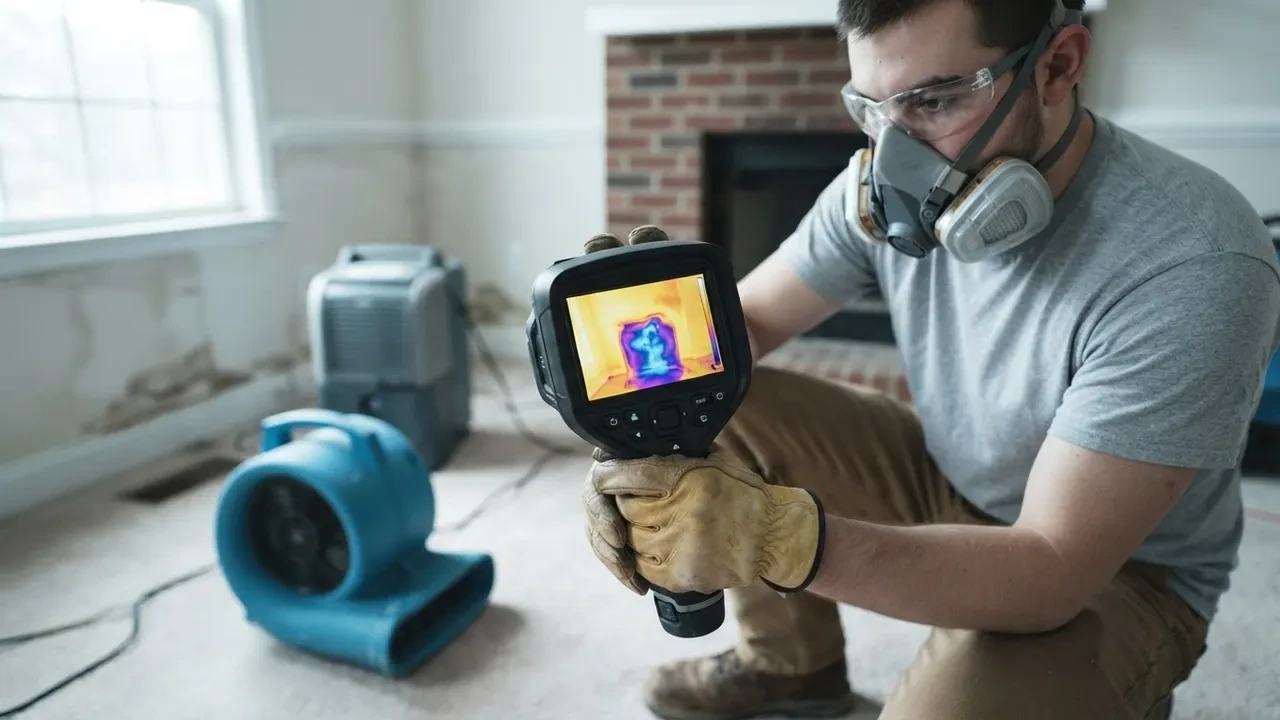
We take readings at affected materials and compare them with nearby areas that appear dry. Thermal imaging can help locate temperature patterns consistent with moisture, while a meter provides material readings. The tools guide the inspection; we explain their limits and note when a concealed cavity needs further access to confirm conditions.

We document the apparent source, affected materials, room locations, and relevant readings. Photographs and a clear room-by-room summary make it easier for you to discuss next steps with a property manager or insurer. If the assessment reveals sewage, electrical risk, or ongoing water entry, we identify that concern before routine drying recommendations.

Before we wrap up, we walk you through which materials need monitoring, extraction, drying, or repair and what should happen first. If action is needed, we explain the relevant service and expected work duration; drying commonly requires several days, with readings checked as conditions change. You leave knowing what the evidence supports.

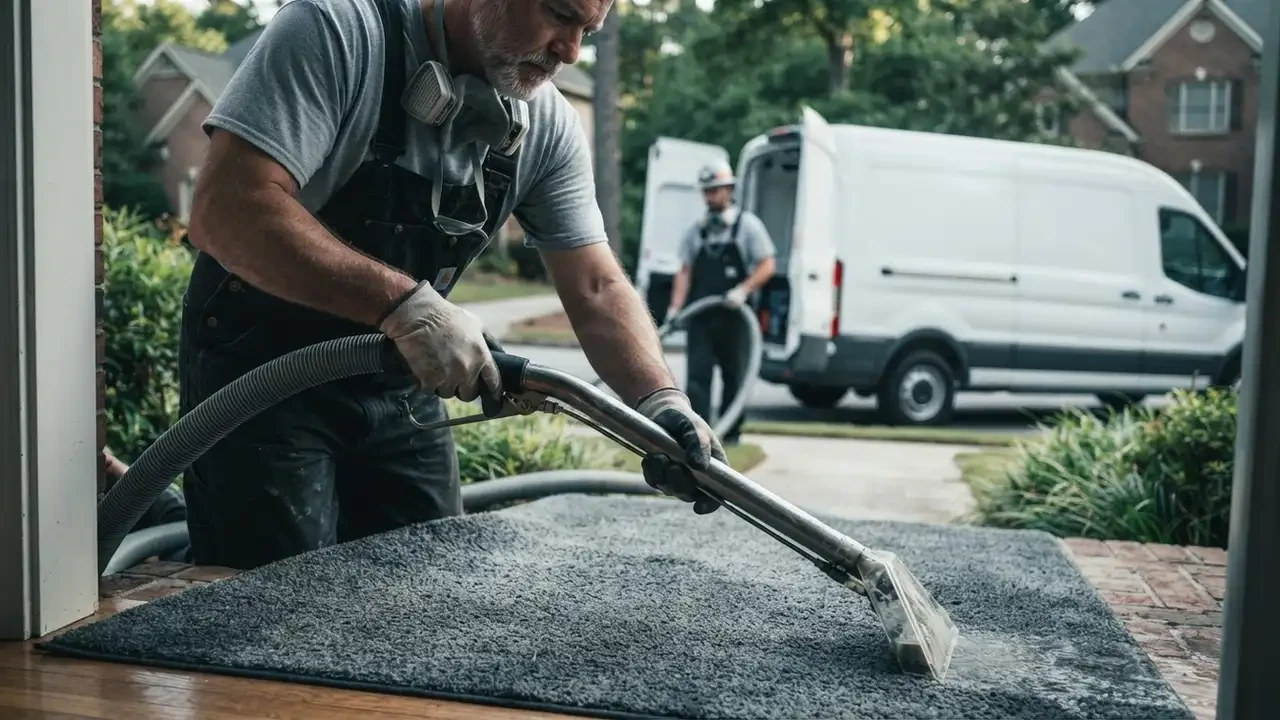
Water damage restoration in Smyrna : team of restoration technicians unloading heavy-duty water extraction equipment from a
STEP 01Initial Call

We ask when the water appeared, whether the source is still active, which rooms are affected, and whether the water may be contaminated. If a pipe is still leaking, shut off the supply when safe and keep people away from standing water near electrical equipment. We use those details to prepare for the visit and focus the assessment.

Tools & methods

Tools and Assessment Methods

01
✓

Moisture Meters

We use moisture meters to compare readings in affected materials with nearby reference areas. Results help identify where closer inspection or drying is warranted, while material type and conditions guide interpretation.

02
✓

Thermal Imaging Cameras

Thermal imaging cameras show surface temperature patterns that can help locate areas for further checking. We verify suspicious patterns with other observations because an image alone does not prove that a surface is wet.

03
✓

Hygrometers

Hygrometers measure indoor relative humidity, adding context to material readings and drying conditions. We use those readings to understand the room environment and track whether moisture control is progressing.

04
✓

Borescopes

Where access is appropriate, a borescope can help view a concealed cavity through a small opening. It supports targeted investigation when visible evidence suggests hidden moisture, without treating every wall as though it needs to be opened.

Real results

Before and After.

Water damage restoration in Smyrna : Close-up of a thermal imaging camera display showing a clear, colorful temperature
Water Damage Assessment

Kitchen Pipe Leak Assessment

A failed supply line left water on a kitchen floor and a dark mark at the adjoining wall. The homeowner could not tell whether water had stopped at the cabinet toe-kick or moved beneath the flooring. A quick visual check showed damage but did not establish its extent.

After: The assessment documented the kitchen and adjacent threshold, compared moisture readings at the wall and nearby reference points, and identified the area needing follow-up. The homeowner had a room-by-room record and a clear order: confirm the plumbing repair, remove standing water, then monitor drying rather than replace flooring by guesswork.

Book this service →
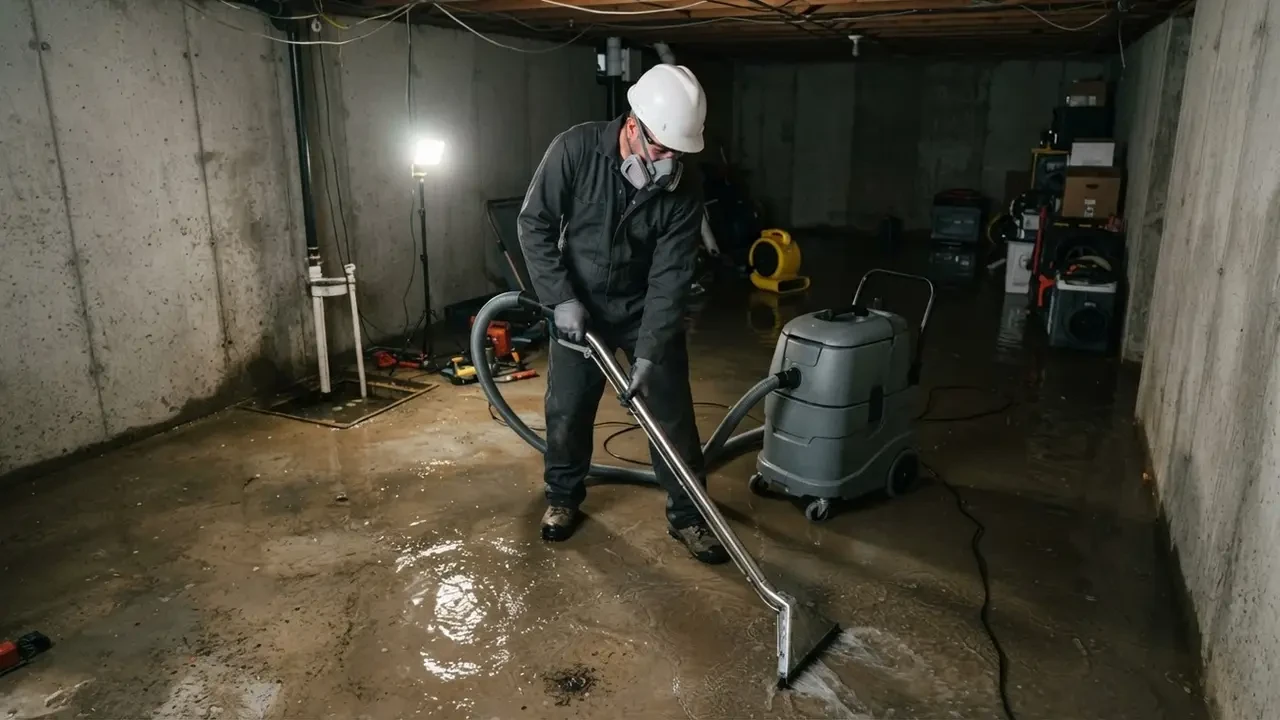
Water damage restoration in Smyrna : restoration technician using a professional-grade water extractor to remove standing
Water Damage Assessment

Storm-Driven Ceiling Leak

After heavy rain, a Smyrna homeowner found bubbling paint and a spreading ceiling mark. The visible spot sat several feet from the suspected roof entry, making it unclear whether the damage was isolated or had reached nearby insulation and wall materials.

After: The technician recorded the stain, checked accessible adjoining surfaces, and used thermal patterns to guide additional moisture checks. The findings separated the visible ceiling damage from areas needing further attention. The owner could arrange source repair and interior work in the right sequence instead of repainting over an unresolved leak.

Book this service →
Water damage restoration in Smyrna : detail shot of a clean, dry concrete basement floor after water damage restoration
Water Damage Assessment

Basement Water Entry Review

Water collected across part of a lower-level floor after rain, with boxes and stored items along one wall. The owner saw the puddle but could not tell whether water had reached the wall base or moved behind items and into adjacent space.

After: The assessment mapped visible water, checked accessible lower walls, and documented where stored belongings had been exposed. The resulting notes gave the owner a practical priority list for removal and drying, plus a record of areas to recheck. The next steps were based on observed conditions rather than the puddle boundary alone.

Book this service →
Problems we solve

Stop Hidden Water Damage From Spreading

Unresolved moisture can keep affecting materials after the visible water is gone. A timely assessment helps you find the likely path, identify what is still wet, and act before repairs are based on incomplete information. We focus on the conditions in your Smyrna property.

Ask a pro →
01

A Ceiling Stain Returns After Each Heavy Rain.

We inspect the ceiling and adjacent areas for moisture clues, document the visible pattern, and check accessible materials. Our findings help you determine whether the next step is roof-source repair, drying, or a closer look above the ceiling before repainting.

↗
02

A Pipe Leak Stopped, but the Wall Still Feels Damp.

We compare moisture readings around the reported leak and check nearby surfaces for a broader path. If readings point to concealed moisture, we explain the limits of a surface inspection and identify what access or follow-up would confirm the condition.

↗
03

Basement Flooring Is Wet After Water Entered Overnight.

We map the visible water and check affected flooring, lower walls, and nearby rooms. The assessment helps set priorities for safe water removal and drying, while noting whether the source appears related to rain entry, plumbing, or a drainage issue.

↗
04

A Musty Odor Remains After Carpet Cleanup.

We check the carpet area, accessible edges, baseboards, and surrounding materials for moisture indicators. You receive an explanation of whether the findings support further drying, material evaluation, or a separate mold inspection before odor treatment.

↗
Proof you can check

Training and Work Standards

  • Water Restoration Technician training · Institute of Inspection, Cleaning and Restoration Certification
  • Applied Structural Drying training · Institute of Inspection, Cleaning and Restoration Certification
  • EPA Lead-Safe practices · U.S. Environmental Protection Agency
Good questions

Water Damage Assessment Questions

(833) 546-4116 →

A residential assessment often varies, depending on property size and complexity. A focused inspection of one room is usually less involved than tracing moisture across multiple floors or documenting a commercial loss. We explain upfront pricing before the visit. Extraction, drying equipment, material removal, and repairs are separate work and are priced according to the conditions found.

A typical water damage inspection takes about 1 to 3 hours, while a large or multi-level property can require longer. We walk the affected areas, compare moisture readings, document conditions, and discuss the findings with you. Drying after the assessment is a separate phase and often takes 3 to 5 days, with progress checked through repeat readings rather than a fixed calendar promise.

Insurance coverage depends on your policy, the water source, and the circumstances of the loss; there is no guaranteed answer. Sudden pipe failures are handled differently from long-term seepage or maintenance issues. We document visible damage, readings, and the apparent source so you can share useful information with your insurer. Contact your carrier promptly and keep receipts and photographs from the event.

Smyrna Water Damage Company performs local property assessments for leaks, flooding, and suspected hidden moisture. Call (833) 546-4116 and describe the source, affected rooms, and whether water is still entering. We can discuss a same-day water damage assessment Smyrna GA when scheduling and conditions allow, then explain what the inspection covers before arranging the visit.

Ready when you are

Schedule Water Damage Assessment Smyrna GA

Get clear findings before a small leak spreads into a larger repair. Our team documents affected materials, explains the next step, and offers upfront pricing. Call Smyrna Water Damage Company at (833) 546-4116 to discuss your property.

Call for Assessment (833) 546-4116 →
Request an appointment

Contact Our Team

Call (833) 546-4116 for help with a leak, flooded room, sewage backup, or mold concern in Smyrna. Calls are accepted around the clock for urgent restoration requests, and we connect you with independent companies serving the area. Share your neighborhood or ZIP code, the water source, and whether the damage is still active so we can direct your request.

Request received — our team will be in touch shortly.
↗
Emergency?Call now