We dry hidden moisture after leaks and flooding.

Dehumidification Services Smyrna GA for Drier Homes

Our dehumidification services Smyrna GA help homeowners and businesses dry rooms, wall cavities, and flooring after a pipe burst, roof leak, or storm. We pair dehumidification Smyrna GA with moisture readings and controlled airflow, so you know where water remains and when materials are ready for the next repair. Call us when damp carpet, swollen hardwood, or a persistent musty smell signals that surface cleanup was not enough.

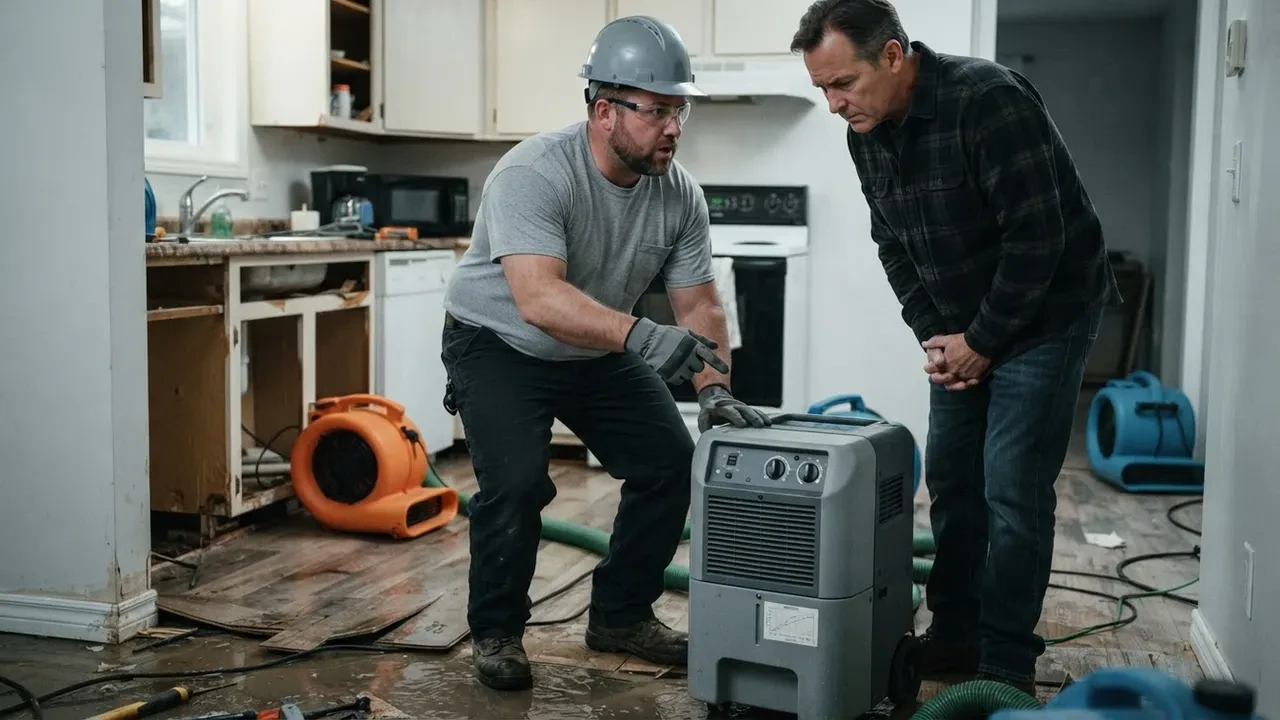
Water damage restoration in Smyrna : restoration technician explaining the drying process to a male homeowner in his
Careful work. Honest options.
About this service

Dehumidification Services Smyrna GA Explained

dehumidification services Smyrna GA is a structural drying service that removes excess water vapour from indoor air and helps moisture leave building materials after a leak or flood. We first locate wet areas with moisture meters and thermal imaging cameras, then position dehumidifiers and industrial air movers to create a measured drying environment. Readings guide adjustments; equipment is not placed by guesswork. Depending on the water source and material, work can include extraction, controlled airflow, and daily documentation before repairs begin.

Smyrna homes and commercial spaces face moisture from pipe bursts, roof leaks, basement flooding, and crawl space moisture, while humid weather can slow drying after water intrusion. We tailor Smyrna dehumidification services to the affected material, room size, and water source rather than simply running a household unit. If you are searching for dehumidification services Smyrna GA near me after a leak, call promptly: wet drywall, carpet padding, and insulation can hold water after visible puddles are gone.

  • ✓ Find hidden moisture
  • ✓ Limit material damage
  • ✓ Track real progress
  • ✓ Coordinate the next repair
What's included

What Dehumidification Service Includes

Our dehumidification work includes an assessment of affected areas, moisture monitoring, suitable equipment placement, and follow-up checks. When water remains on surfaces, extraction is addressed as part of the drying sequence. Cleaning, material removal, mold remediation, and reconstruction are separate tasks when the conditions call for them. We explain which steps apply to your property and how readings guide the transition from drying to repairs.

01
✓

Moisture Inspection

We inspect visible damage and use moisture meters to check affected materials and nearby areas. This establishes a baseline and helps identify water that has travelled beyond the obvious stain or puddle. The findings guide equipment placement and follow-up readings.

02
✓

Equipment Placement

We position dehumidifiers and air movers to support evaporation from wet building materials. Placement accounts for the room, contents, and affected surfaces, while maintaining usable access where possible. We explain what must remain clear during operation.

03
✓

Progress Monitoring

Follow-up checks track moisture in materials and humidity in the room. We compare readings over time and adjust the setup when drying slows or conditions change. You can see how the plan is progressing rather than relying on appearance alone.

04
✓

Drying Documentation

We record relevant readings and note areas that need additional attention. This information helps determine when equipment can be removed and whether repairs should follow. It also gives you useful details for coordinating restoration work or discussing the loss with your insurer.

05
✓

Next-Step Guidance

At the end of drying, we explain which materials are ready for repair and which still need attention. If damaged drywall, insulation, or flooring requires removal, we identify that need clearly. Cleaning or reconstruction can then be coordinated as appropriate.

How it works

What to Expect During Drying

We ask how the water entered, identify the affected rooms, and check visible materials and adjoining spaces. Moisture meters and thermal imaging cameras help locate dampness that has travelled beyond the spill. The initial inspection usually takes about 30 to 90 minutes, depending on access and the number of rooms. We explain the findings before setting the drying plan.

If water remains on the floor, our crew uses water extraction units before placing drying equipment. Removing bulk water first makes dehumidifiers more effective and reduces unnecessary drying time. We protect nearby contents and note affected drywall, flooring, and insulation. Extraction time ranges from under an hour for a small room to several hours after broader flooding.

We position dehumidifiers and industrial air movers to move moisture out of materials and into the air, where it can be collected. Equipment placement accounts for room layout, contents, and the wet materials involved. We show you which outlets and pathways need to remain clear, and explain the expected operating noise and daily access needs.

Our technicians return to check equipment operation and measure moisture in the same affected materials. A hygrometer tracks indoor relative humidity while material readings show whether drying is progressing. Many residential drying jobs take about three to five days, but wet insulation, thick flooring, or concealed water can extend the schedule.

We compare final readings with appropriate dry standards and document the areas checked. Once the affected materials reach the planned condition, we remove the equipment and discuss cleaning or repair needs. If a wall cavity remains wet, we explain the next action rather than closing the job based only on a dry-looking surface.

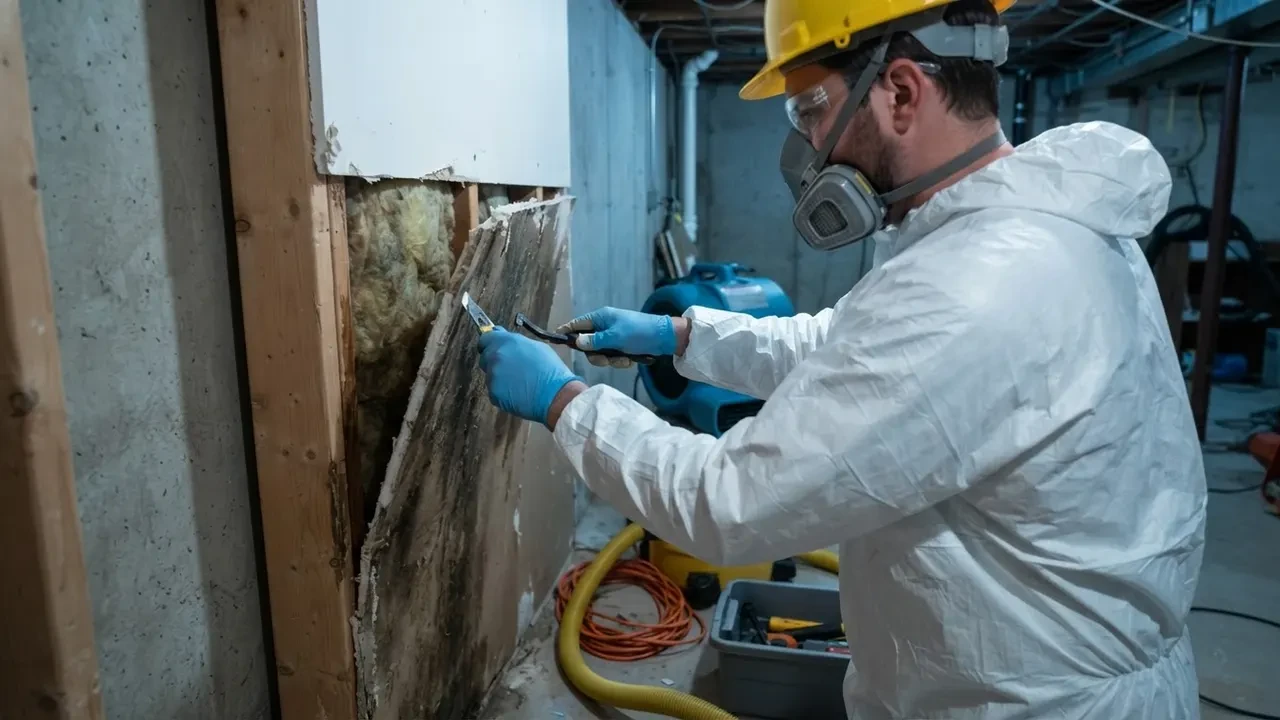
Water damage restoration in Smyrna : restoration technician in full PPE, including a respirator, carefully removing a
STEP 01Inspect affected areas

We ask how the water entered, identify the affected rooms, and check visible materials and adjoining spaces. Moisture meters and thermal imaging cameras help locate dampness that has travelled beyond the spill. The initial inspection usually takes about 30 to 90 minutes, depending on access and the number of rooms. We explain the findings before setting the drying plan.

Tools & methods

Drying Tools and Methods

01
✓

Moisture Meters

We use moisture meters to compare readings in affected materials with nearby areas. Repeated measurements help show whether drywall, flooring, or framing is releasing moisture during the drying process.

02
✓

Thermal Imaging Cameras

Thermal images help identify temperature patterns that can point to hidden moisture. We confirm suspected areas with direct inspection and moisture readings rather than treating an image alone as proof.

03
✓

Industrial Air Movers

Air movers direct airflow across wet surfaces to support evaporation. We place them to reach affected materials while keeping walkways and access to essential rooms as clear as the layout allows.

04
✓

Dehumidifiers

Dehumidifiers collect moisture released into indoor air and help maintain drying conditions. We select capacity and placement based on the affected space and monitor progress as material readings change.

05
✓

Hygrometers

A hygrometer measures relative humidity in the drying environment. The reading helps us understand room conditions and adjust equipment alongside direct checks of wet building materials.

Real results

Before and After.

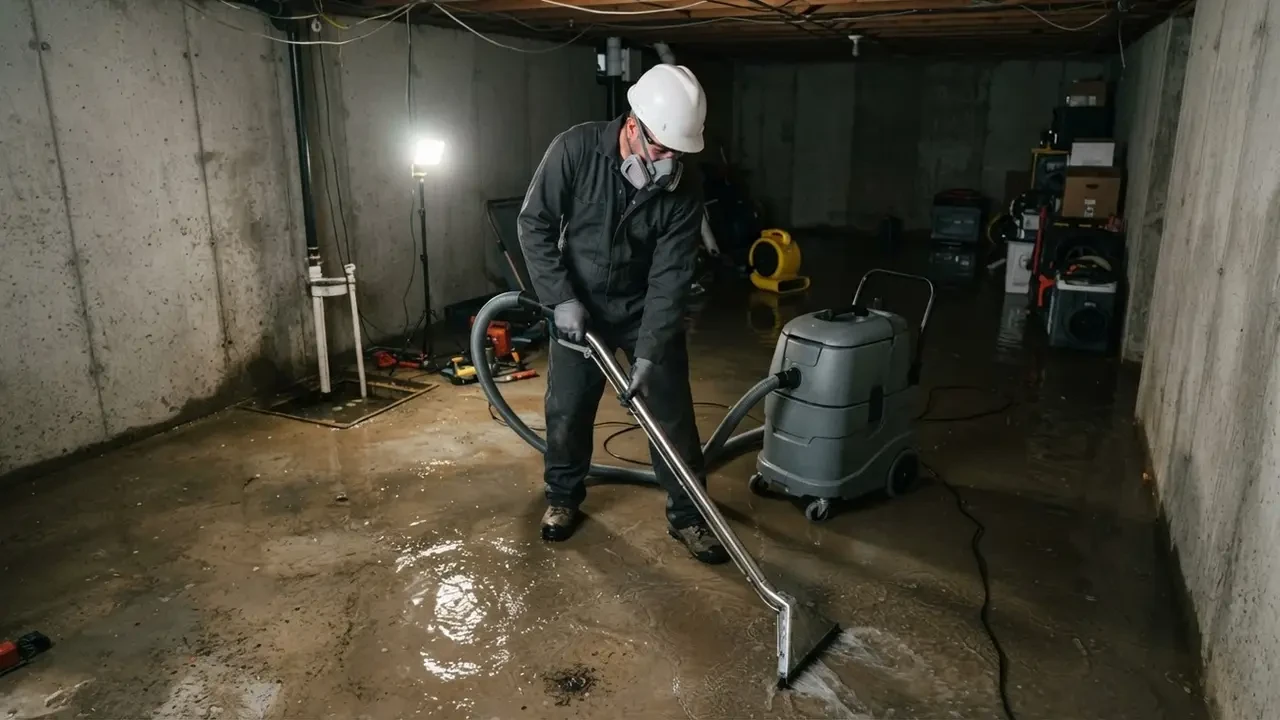
Water damage restoration in Smyrna : restoration technician using a professional-grade water extractor to remove standing
Dehumidification Services

Kitchen Pipe Leak Drying

A supply line leak left water across a Smyrna kitchen and into the adjoining hallway. The visible puddle was removed, but the hardwood felt cool and the lower cabinet area showed signs of moisture. The homeowner needed to know whether water had travelled under the floor before scheduling repairs.

After: We checked the floor and cabinet perimeter, extracted remaining accessible water, and placed drying equipment for the affected rooms. Follow-up readings over four days showed moisture moving down toward the dry reference range. The homeowner then had a clear basis for discussing flooring repairs instead of closing the area based on appearance.

Book this service →
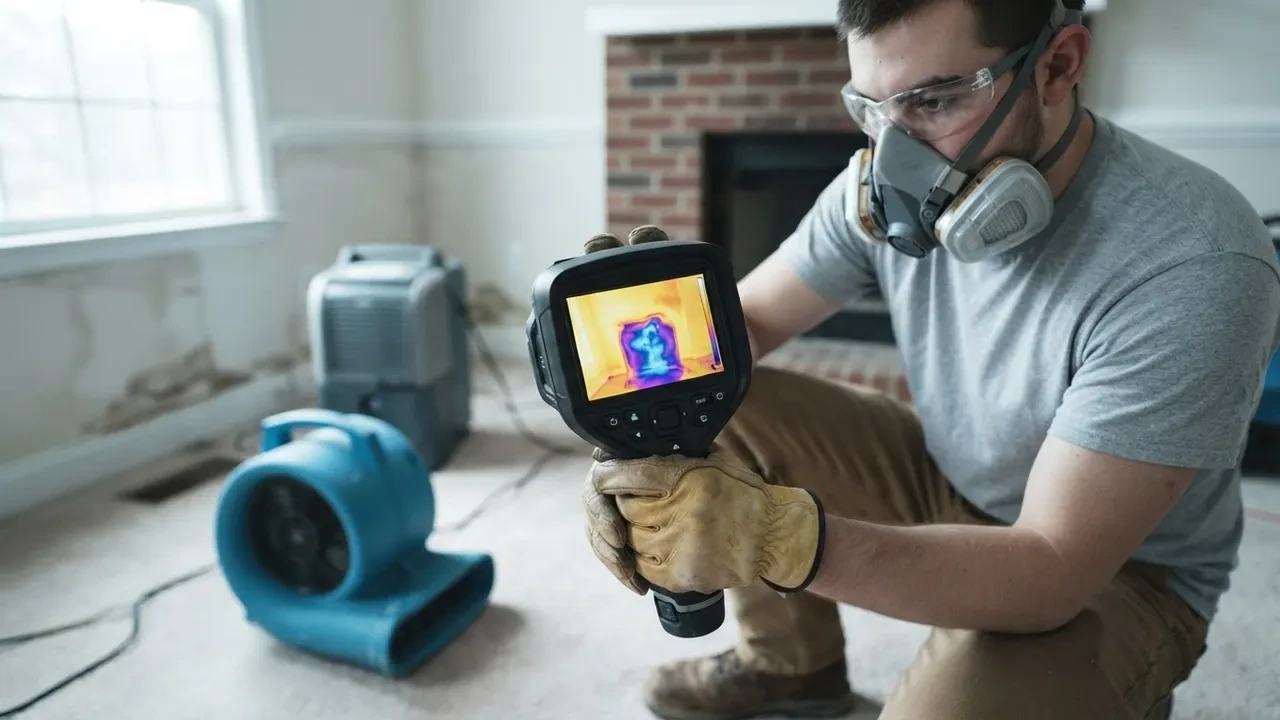
Water damage restoration in Smyrna : Close-up of a thermal imaging camera display showing a clear, colorful temperature
Dehumidification Services

Basement After Storm Entry

After heavy rain, a basement near Oakdale had water along one wall and damp stored items. The room smelled musty, and the homeowner was unsure whether the wall edge had dried after water was removed. A quick fan had not addressed the wider humidity or the concealed wet area.

After: We extracted standing water, checked the wall-floor joint, and set a dehumidifier with targeted airflow. Over five days, we monitored humidity and material readings, adjusting equipment as the affected area dried. The owner received a record of the readings and identified items requiring separate cleaning or replacement.

Book this service →
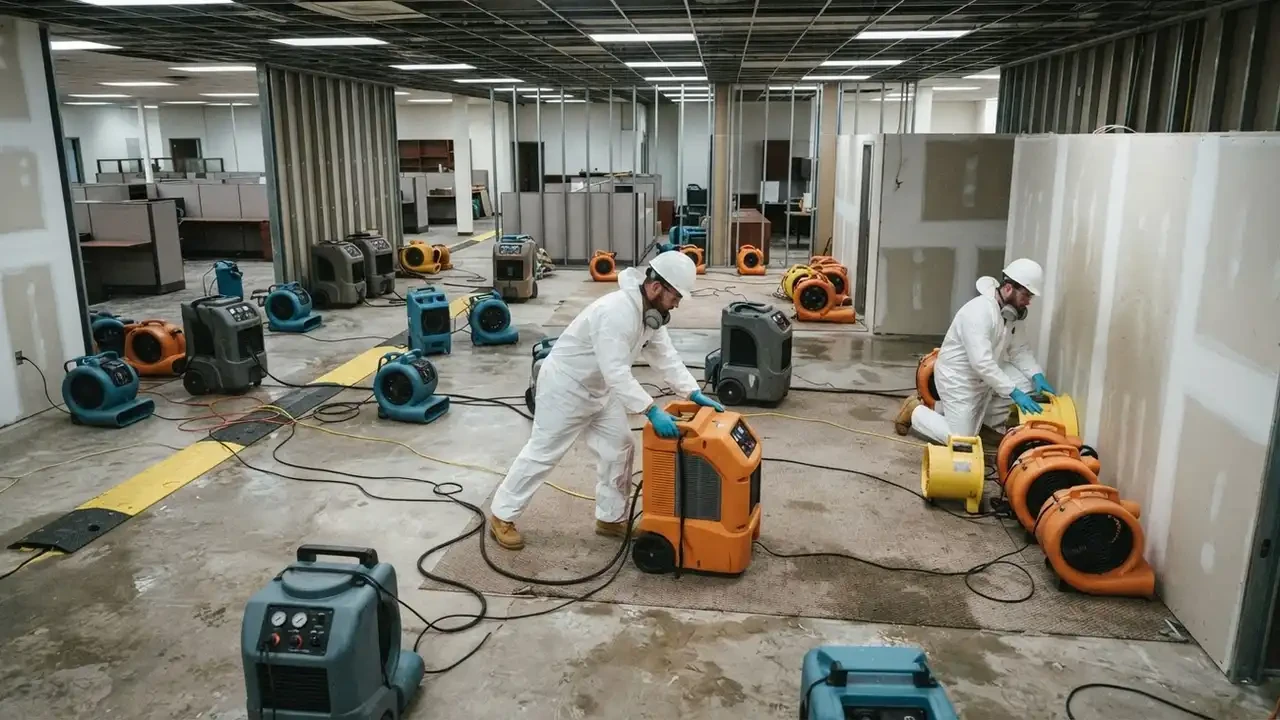
Water damage restoration in Smyrna : aerial view inside a large commercial office space, showing multiple industrial
Dehumidification Services

Ceiling Leak Before Repairs

A roof leak stained a bedroom ceiling in Smyrna Heights. The mark covered a small area, but moisture checks showed dampness extending toward the wall and insulation. Painting over the stain would have hidden the visible problem without addressing the wet ceiling assembly.

After: After the leak source was addressed, we checked the surrounding ceiling and wall, then used controlled drying and repeat readings. The drying period lasted four days before the retained area met the planned moisture goal. The homeowner could coordinate ceiling repair with more confidence in the condition behind the finish.

Book this service →
Problems we solve

Moisture Problems We Solve in Smyrna

If you need dehumidification near me Smyrna after a leak, the key question is how far water travelled and which materials remain wet. We assess visible and concealed moisture, remove standing water where needed, and track drying progress. Acting before repairs limits the risk of trapping moisture behind new finishes.

Ask a pro →
01

A Damp Smell Remains After a Pipe Leak Was Repaired

We inspect the affected room and adjacent materials, then use moisture readings to locate damp areas. If water remains, we extract it where accessible and set dehumidifiers with directed airflow. We monitor progress and explain whether retained materials are drying or need removal before cleaning and repairs.

↗
02

Hardwood Boards Swell After Water Reaches the Floor

Our team measures the flooring and checks surrounding conditions before choosing a drying approach. We manage airflow and dehumidification while tracking readings over time. Once the floor stabilizes, we discuss whether refinishing or board repair is appropriate; we do not promise a particular finish outcome before the material is assessed.

↗
03

A Basement Stays Humid After Water Is Removed

We check the water source, inspect the affected perimeter, and measure humidity and material moisture. After extraction, we position equipment for the room's layout and revisit readings. If the source involves ongoing seepage or a pump issue, we explain that correction must accompany the drying plan.

↗
04

A Roof Leak Leaves Hidden Wet Insulation Above a Ceiling

We inspect the stained area and adjoining surfaces, use targeted moisture checks, and coordinate access where the cavity needs examination. Drying equipment is set according to the affected assembly. We track the readings before ceiling repairs proceed, and identify damaged material that cannot be retained.

↗
Proof you can check

Training and Documentation

  • Water Damage Restoration Technician · Institute of Inspection, Cleaning and Restoration Certification
  • Applied Structural Drying · Institute of Inspection, Cleaning and Restoration Certification
  • EPA Lead-Safe practices · U.S. Environmental Protection Agency
Good questions

Frequently Asked Questions

(833) 546-4116 →

A focused residential drying job often varies, depending on water volume, equipment days, and materials affected. A small contained room costs less than a multi-room loss with extraction and concealed moisture. We inspect the affected area, explain the work, and provide upfront pricing before proceeding. Dehumidification Smyrna GA pricing can also change if contaminated water or removal of damaged materials requires additional cleanup.

Many residential drying projects take three to five days, while extensive or concealed moisture can require a week or longer. We check material readings at least once daily and adjust equipment as the structure dries. Hardwood, insulation, and wall cavities do not release moisture at the same rate. We remove equipment when readings support the drying goal, not simply because a set number of days has passed.

Home insurance may cover drying when it follows a covered sudden water loss, but coverage depends on your policy and the cause. Gradual seepage or neglected maintenance is often treated differently from a sudden pipe burst. We document affected areas, equipment, and moisture readings to support your claim file. Your insurer makes the coverage decision, and we can explain the restoration records you may need to share.

Smyrna Water Damage Company handles emergency moisture control; call (833) 546-4116 to discuss the water source and affected rooms. For a same-day dehumidification services Smyrna GA response, tell us whether water is still entering and whether it came from a clean supply line or a backup. We can guide immediate safety steps, then assess extraction and drying needs. Avoid electrical hazards and do not enter standing water near powered equipment.

Ready when you are

Start Dehumidification Services Smyrna GA

Wet materials need a measured drying plan, not guesswork. Our team uses moisture readings to identify what is still damp and explain the next step. Call Smyrna Water Damage Company at (833) 546-4116 to arrange an assessment and discuss upfront pricing.

Call for Help (833) 546-4116 →
Request an appointment

Contact Our Team

Call (833) 546-4116 for help with a leak, flooded room, sewage backup, or mold concern in Smyrna. Calls are accepted around the clock for urgent restoration requests, and we connect you with independent companies serving the area. Share your neighborhood or ZIP code, the water source, and whether the damage is still active so we can direct your request.

Request received — our team will be in touch shortly.
↗
Emergency?Call now