Damage Photo Record
We photograph affected rooms, visible damage, and relevant materials before cleanup changes the scene. Images are organized by location so you can connect a ceiling mark, wet flooring, or damaged contents to the area inspected.
Insurance claim assistance Smyrna GA helps homeowners and property managers document water damage, understand restoration records, and keep repair work organized after a loss. Our Smyrna team photographs affected rooms, records moisture readings, and prepares itemized restoration details for you to share with your insurer. For a pipe burst, roof leak, or basement flood, insurance claim help Smyrna GA connects the property assessment with practical next steps while you focus on protecting your building.
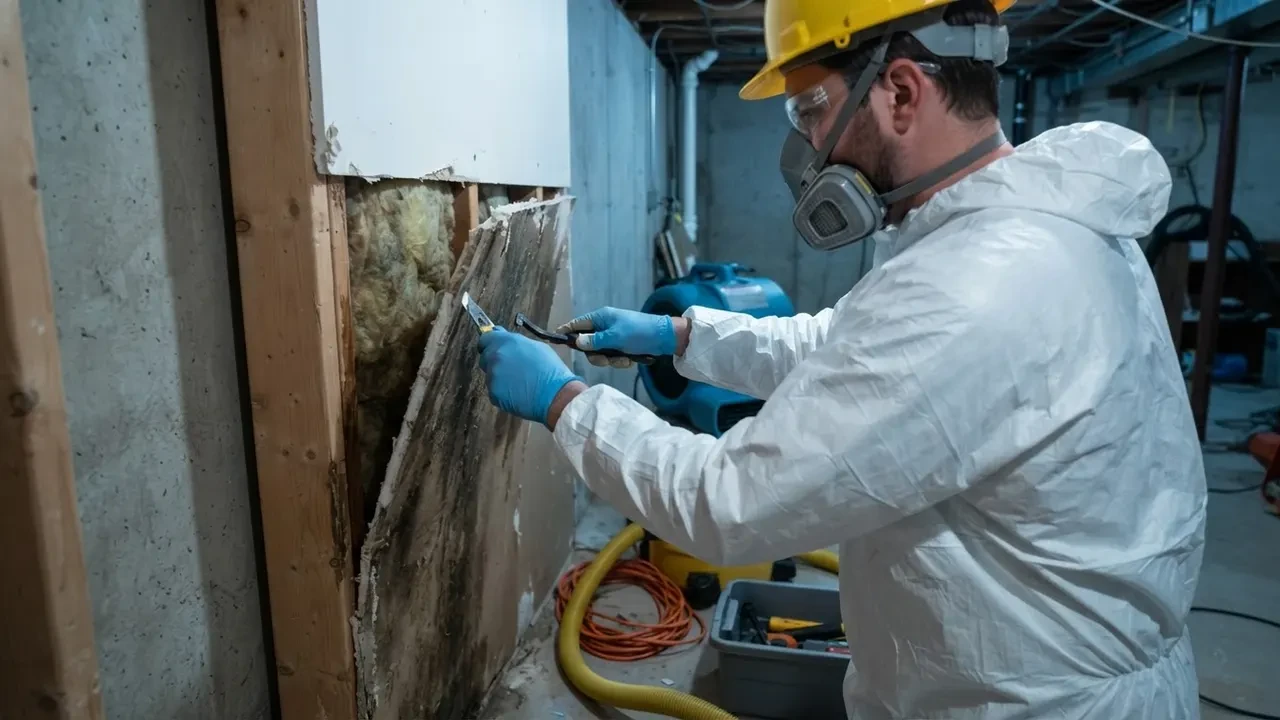
Insurance claim assistance Smyrna GA is restoration documentation support that records water damage, necessary cleanup, and repair work after a covered loss. We inspect affected areas, photograph visible conditions, log moisture readings, and organize an itemized scope using Xactimate when appropriate. You receive clear records of what was wet, what equipment was used, and how drying progress was checked. We do not decide coverage or negotiate policy terms; your insurer makes those decisions. Our job is to give you accurate, job-specific information to support a well-documented claim.
Smyrna properties face water losses from pipe bursts, roof leaks, storm damage, and basement flooding, with hidden moisture often extending beyond the obvious stain. In Cobb County, homes and commercial spaces can have different materials and access challenges, so we document each affected area rather than relying on a room-wide guess. Smyrna insurance claim assistance is useful when you need photos, readings, and a repair sequence organized soon after discovery. For a late-night leak, 24/7 insurance claim help in Smyrna GA starts with stopping the source and recording conditions before cleanup changes the evidence.
Our claim assistance centers on documenting the water loss and restoration work we perform. It includes a property assessment, labeled photos, moisture records, and an organized account of mitigation tasks. Depending on the job, we can also prepare itemized work details and explain the sequence to you. Policy interpretation, coverage approval, and claim payment remain decisions for your insurance carrier.
We photograph affected rooms, visible damage, and relevant materials before cleanup changes the scene. Images are organized by location so you can connect a ceiling mark, wet flooring, or damaged contents to the area inspected.
We record readings at specific materials and locations during assessment and drying. Comparing repeat readings helps show whether conditions are improving and whether additional drying or inspection is needed.
The job record identifies restoration activities such as extraction, material removal, and equipment use. You can see what was done and when, rather than relying on a general description of the overall project.
Where appropriate, we organize quantities and tasks into an itemized scope, including Xactimate-formatted details when used. This helps you and your insurer review restoration work line by line without implying a coverage decision.
At the end of the work, we provide a concise account of completed tasks, final readings, and identified repair needs. You have a practical reference for the property file and follow-up conversations with your adjuster.
Tell us where the water came from, when you found it, and which rooms are affected. We help you prioritize immediate safety steps and arrange the site visit. For active water, shut off the source if safe and keep people away from electrical hazards. We record your initial account so the inspection has a clear starting point.
We inspect visible damage and check likely migration paths, including adjoining rooms, wall edges, and flooring transitions. Moisture meters and thermal imaging cameras help locate areas that need closer examination; a thermal image is an indicator, not a moisture reading by itself. The inspection commonly takes one to three hours, depending on access and affected area.
Our team labels photos by room and records moisture readings at specific materials and locations. We note conditions before removal or drying alters them, then update the record as work proceeds. If a wall cavity needs confirmation, a borescope can help inspect a limited opening. You can review the findings with us at the property.
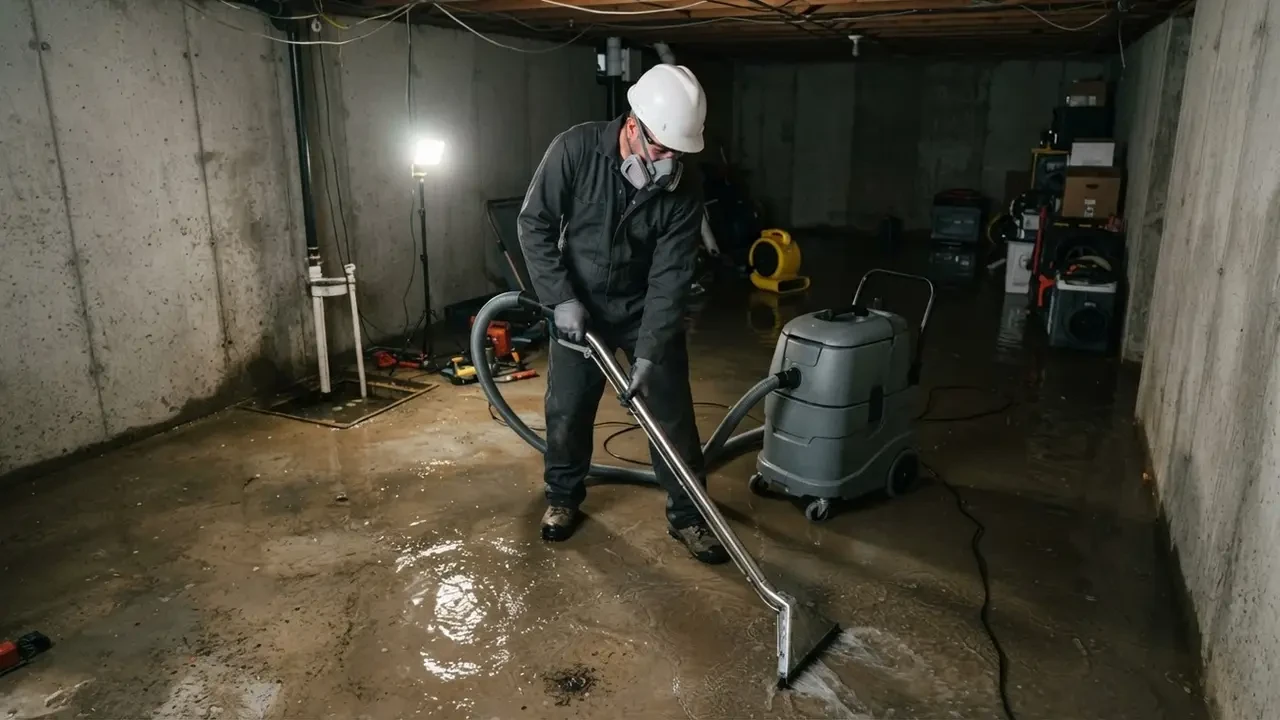
We remove standing water, protect salvageable contents, and set drying equipment based on the materials and readings. Industrial air movers and dehumidifiers are monitored as conditions change; the drying phase often takes three to five days, though wet insulation or layered flooring can extend it. We log the work and measurements so the record reflects actual progress.
At completion, we organize the work performed, material quantities, photographs, and final moisture readings for your records and insurer. You receive a clear summary of completed restoration tasks and any repair needs identified during the job. We can explain the documentation, but your insurance carrier determines coverage, payment, and policy interpretation.
Tell us where the water came from, when you found it, and which rooms are affected. We help you prioritize immediate safety steps and arrange the site visit. For active water, shut off the source if safe and keep people away from electrical hazards. We record your initial account so the inspection has a clear starting point.
We use moisture meters to check materials such as drywall and wood at specific points. Repeat readings help document drying progress and identify locations that need additional attention.
Thermal imaging cameras help screen for temperature patterns that may indicate a hidden moisture concern. We confirm suspected areas with direct inspection and appropriate moisture measurements.
Industrial air movers direct airflow across wet surfaces during structural drying. We document their placement and adjust the setup as readings and material conditions change.
Dehumidifiers remove moisture from indoor air while wet building materials dry. Our job notes identify equipment use and the drying period so the restoration record reflects the actual work.
When appropriate, Xactimate helps organize restoration tasks and quantities into an itemized estimate format. It is a documentation tool, not a guarantee that an insurer will approve a charge.
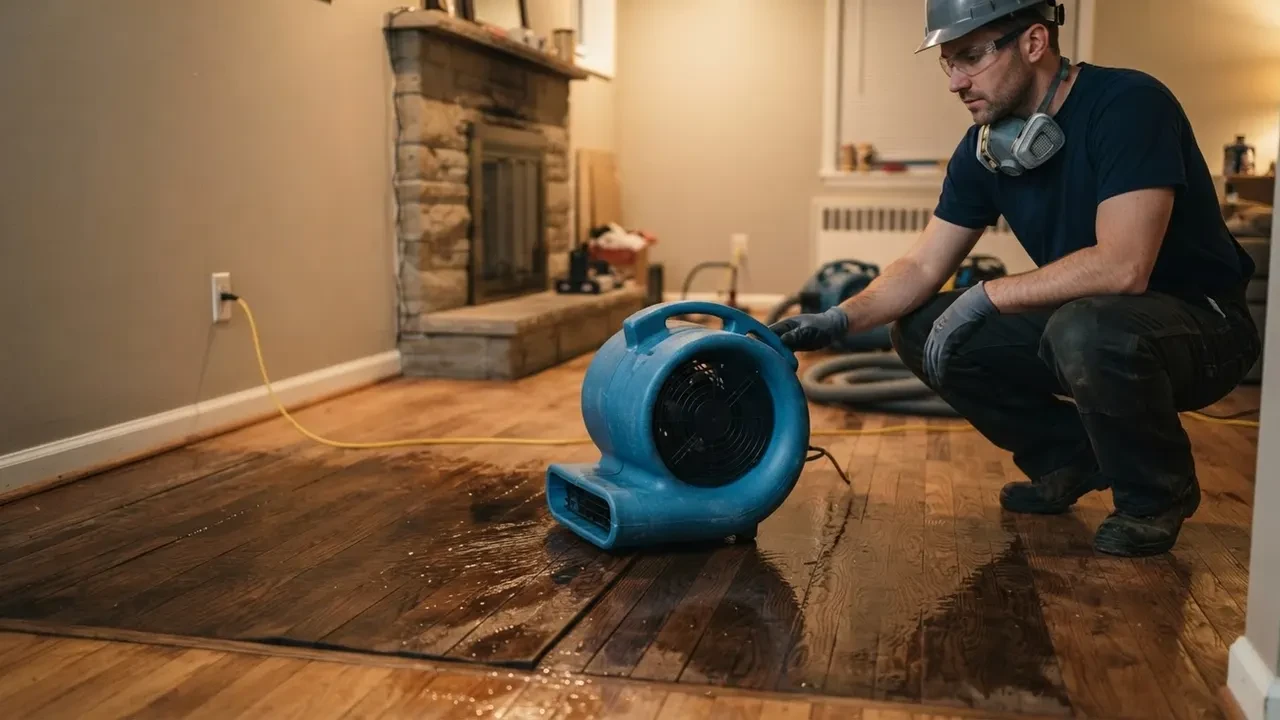
A supply line failed overnight and water crossed a hallway into two bedrooms. The homeowner had phone photos but no room labels, no moisture baseline, and no clear record of which materials were affected before extraction began. The insurer needed an understandable timeline while the property still required active drying.
After: We organized the affected rooms, photographed visible damage, and logged readings at 12 material locations during the job. Extraction and drying were recorded as separate phases, with equipment checks over four days. The homeowner received a clear restoration summary to share with the carrier and use when planning repairs.
Book this service →
After a storm, a ceiling stain appeared below a roof leak near the living area. The visible mark was roughly 3 feet across, but the homeowner could not tell whether insulation or adjoining drywall was wet. No one had documented the interior before the ceiling was opened for inspection.
After: We photographed the stain and inspection area, recorded readings at eight locations, and documented the opening and drying work. The record separated the ceiling repair from the moisture mitigation. The homeowner could explain the path from visible staining to the affected material with labeled photos and measurements.
Book this service →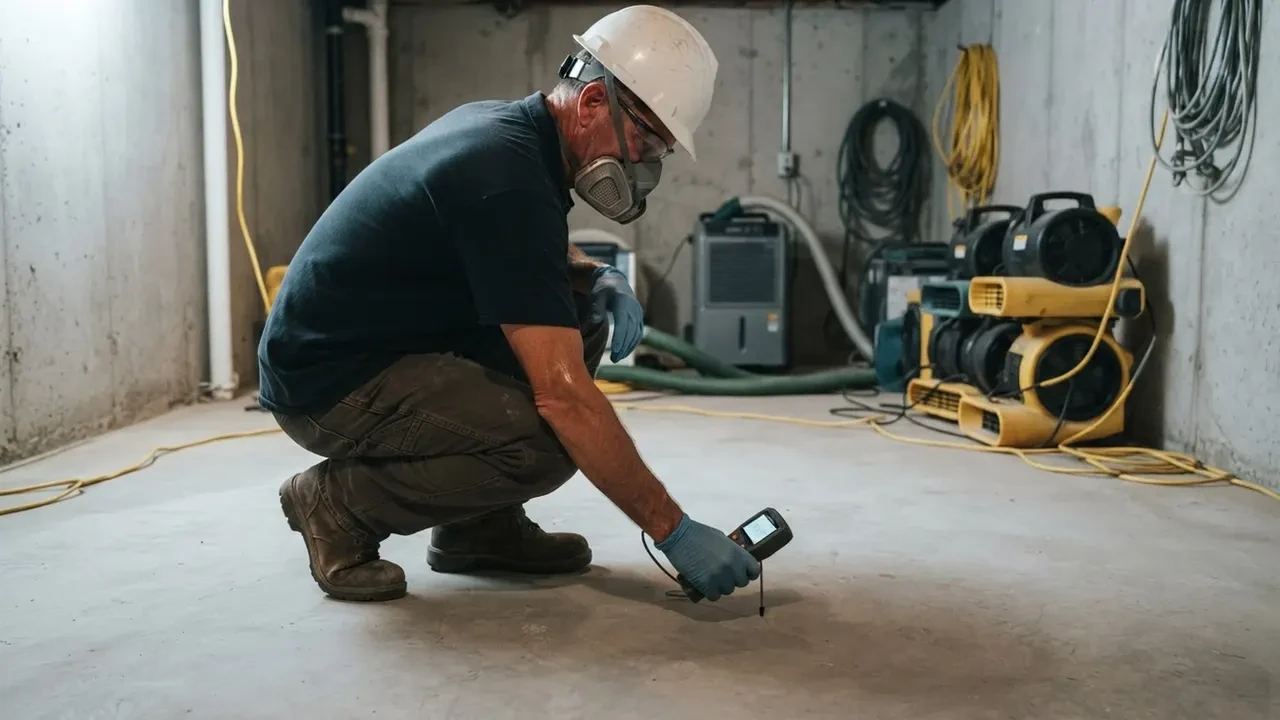
A basement took on water after drainage problems, wetting carpet padding, lower drywall, and stored boxes. The property owner had a mix of salvageable and damaged contents but no inventory or room-level record. The wet materials needed prompt sorting and drying decisions.
After: We documented the affected floor area, photographed contents before handling, and recorded removal and drying tasks separately. Readings at 10 points helped track the lower wall and floor conditions over three days. The owner received an organized summary of affected materials and completed work.
Book this service →A water loss becomes harder to explain when photos are missing, materials have already been removed, or the timeline is unclear. Insurance claim assistance Smyrna GA puts field observations and restoration records in order while the job is still active. That helps you communicate what happened and what work followed.
Ask a pro →We inspect adjoining areas, take labeled photos, and record moisture readings before and during restoration. If a wall cavity needs a closer look, we explain the inspection method and document what it reveals. You get a clearer record of the water path and the materials affected.
We organize job photos, readings, equipment notes, and restoration tasks by location and phase. You can use that job record alongside your own policy and communications. The goal is a usable file that explains the work without making a coverage promise.
We log readings at repeatable locations and document equipment placement as the job develops. Your record shows the drying period and measured changes, including when conditions call for adjustments. We explain the numbers in plain language so you can follow the work.
We separate extraction, drying, material removal, and repair details in the job documentation. That gives you a clearer sequence to review with your insurer and contractor. If drywall or flooring needs replacement, the repair need is tied back to the observed damage.
standalone documentation support commonly varies while restoration work is priced separately according to the damage and scope. We explain upfront pricing before the service begins. Costs can rise with multiple rooms, concealed moisture inspection, emergency extraction, or detailed contents handling. Your insurer decides whether a charge is eligible under your policy, so ask your adjuster how the specific service is treated.
A property inspection and initial documentation often take one to three hours, while an insurer's claim decision can take days to several weeks. The claim timeline depends on policy review, adjuster scheduling, repair complexity, and whether more information is requested. Drying itself often takes three to five days. We provide restoration records as work progresses, but the carrier controls claim review and payment timing.
Coverage depends on your policy, the cause of water, exclusions, and how quickly the damage was addressed. Sudden pipe failures are treated differently from long-term seepage or maintenance issues, and flood coverage can be separate from a standard homeowners policy. We document the observed source and resulting damage, but we cannot determine coverage. Contact your insurer promptly and share the photos, readings, and work records.
Smyrna Water Damage Company provides local claim documentation and restoration coordination for homes and businesses in Smyrna, GA. We inspect affected areas, record moisture conditions, photograph damage, and organize completed work for you to share with your carrier. Call (833) 546-4116 for insurance claim assistance Smyrna GA near me, including support after a pipe burst, roof leak, or basement water loss.
A clear record starts with a careful inspection and timely photos. Our local team documents water damage and restoration work across Smyrna, Georgia. Call (833) 546-4116 to discuss the loss and arrange the next step.
Call Our Team (833) 546-4116 →Call (833) 546-4116 for help with a leak, flooded room, sewage backup, or mold concern in Smyrna. Calls are accepted around the clock for urgent restoration requests, and we connect you with independent companies serving the area. Share your neighborhood or ZIP code, the water source, and whether the damage is still active so we can direct your request.