We remove damaged material and rebuild dry, sound walls.

Drywall Water Damage Repair Smyrna GA

Drywall water damage repair Smyrna GA helps homeowners and property managers stop staining, soft drywall, and hidden moisture after a leak or flood. Our team traces the affected area, removes material that cannot be dried safely, and repairs the wall after the source is controlled. If you have a fresh pipe burst, roof leak, or damp wall in Smyrna, call us before moisture spreads into insulation or nearby flooring.

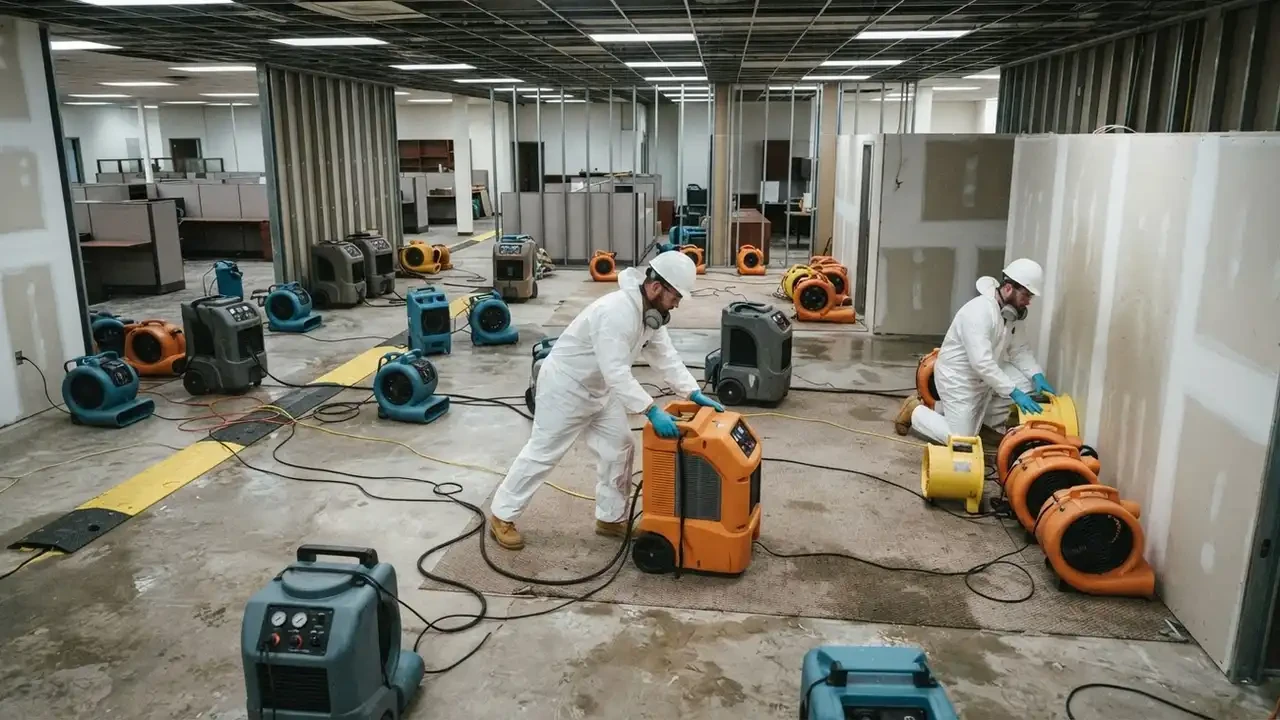
Water damage restoration in Smyrna : aerial view inside a large commercial office space, showing multiple industrial
Careful work. Honest options.
About this service

Drywall Water Damage Repair in Smyrna GA

Drywall water damage repair Smyrna GA is a building repair service that removes moisture-damaged wallboard and restores the wall after a water intrusion. We first identify the source and map the wet area with moisture meters; thermal imaging cameras can help locate temperature patterns behind the surface. We then decide whether the drywall can be dried or needs a controlled cutout, check insulation and framing, and dry the cavity before patching. The finish includes taped joints, compound, sanding, primer, and paint preparation so the repair blends into the surrounding wall.

Smyrna homes and commercial spaces see wall damage from pipe bursts, roof leaks, storm-driven water, and basement flooding. A small stain can hide wet insulation or moisture along the base plate, so we check beyond the visible mark before closing the wall. Our drywall water damage restoration Smyrna GA service addresses the wet assembly, not just the discoloration. After a leak is stopped, prompt drying helps limit mold growth; same-day drywall water damage repair Smyrna GA can be arranged when the affected area is accessible and dry-out is complete.

  • ✓ Moisture Checked First
  • ✓ Cleaner, Controlled Removal
  • ✓ A Finish Ready to Paint
  • ✓ Fewer Hidden Moisture Risks
What's included

What's Included in Wall Repair

Our drywall repair covers inspection of visible damage, moisture checks in accessible areas, controlled removal of unsound board, drying support, replacement drywall, taped joints, compound, sanding, and preparation for paint. We also check insulation and framing where the wall is opened. Paint matching, major plumbing or roofing repairs, and unrelated flooring reconstruction are separate work, but we identify connected damage so you can plan the whole room.

01
✓

Wall and Moisture Inspection

We inspect the stain, soft spots, and nearby surfaces, then take moisture readings at the affected area and dry reference points. This helps define the repair area and identify whether water has spread beyond the visible mark.

02
✓

Selective Drywall Removal

We remove drywall that has lost strength or remains too wet to keep, using a controlled cut that exposes the affected cavity. The opening gives us access to check framing and insulation before deciding what can stay.

03
✓

Cavity Drying Support

We position air movers and dehumidifiers to dry exposed materials, then recheck moisture as conditions change. Reconstruction starts after the wall assembly is ready, not simply because the surface feels dry.

04
✓

Board and Joint Rebuild

We install replacement drywall with supported edges, tape the joints, apply compound, and sand between coats. The repair is prepared for primer and paint, with texture considered where the existing wall requires it.

05
✓

Work-Area Protection

We protect nearby floors and belongings while removing damaged board and sanding the patch. At completion, we review the repaired area with you and explain any finish work, such as final paint, that remains.

How it works

How the Repair Proceeds

We walk the affected room with you, identify the likely entry point, and check adjacent walls and floors. Moisture meters and, when useful, thermal imaging help map wet areas without opening every surface. The initial inspection often takes 30 to 90 minutes, depending on access and the number of rooms. We document visible damage and note materials that need separate attention.

We confirm the leak has been stopped or coordinate the next action needed to control active water. Our team covers nearby surfaces and moves items away from the work zone with your direction. For standing water, water extraction units remove it before drying begins. This step prevents ongoing wetting from undoing the wall repair.

We remove drywall that is swollen, crumbling, or too wet to retain, then inspect the exposed framing and insulation. Industrial air movers and dehumidifiers circulate air while we track readings, often over 24 to 72 hours when materials are wet. You will see equipment in the room and get updates before reconstruction starts.

Once the cavity reaches an appropriate dry condition, we fit drywall, fasten it to framing, tape the joints, and apply compound in coats. Each coat needs time to dry; temperature and humidity affect the schedule. We keep cuts square and edges supported so the patch does not flex or crack after the finish is applied.

We sand the repair, prepare it for primer and paint, and walk the area with you. A small patch can take two to four workdays from opening through finishing, including drying and compound intervals; larger areas take longer. We review the repaired surface and explain any remaining paint or trim work before packing up.

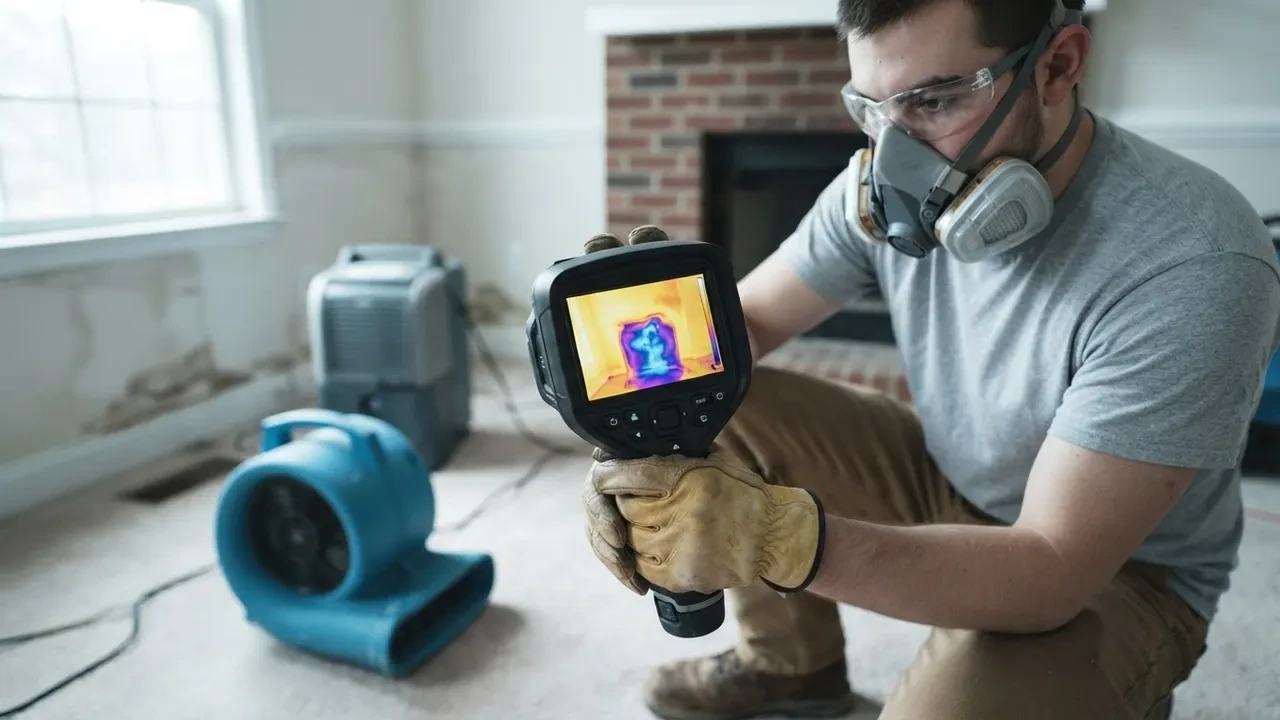
Water damage restoration in Smyrna : Close-up of a thermal imaging camera display showing a clear, colorful temperature
STEP 01Inspect and Map

We walk the affected room with you, identify the likely entry point, and check adjacent walls and floors. Moisture meters and, when useful, thermal imaging help map wet areas without opening every surface. The initial inspection often takes 30 to 90 minutes, depending on access and the number of rooms. We document visible damage and note materials that need separate attention.

Tools & methods

Tools and Repair Methods

01
✓

Moisture Meters

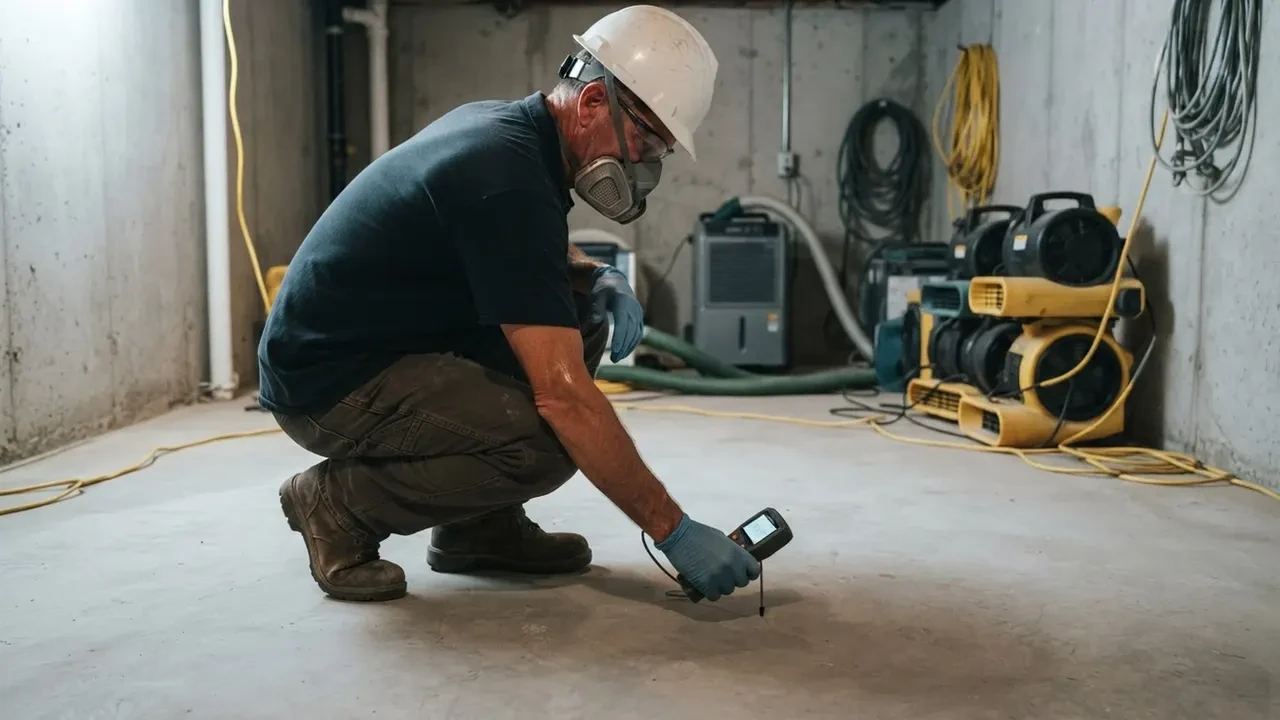
We use moisture meters to compare readings in affected drywall, framing, and nearby dry areas. Repeat checks help guide removal boundaries and confirm when materials are ready for reconstruction.

02
✓

Thermal Imaging Cameras

Thermal imaging cameras show temperature patterns that can point to hidden moisture paths. We use the image as an inspection aid, then verify suspected areas with direct moisture readings.

03
✓

Industrial Air Movers and Dehumidifiers

Air movers circulate air across exposed materials while dehumidifiers remove moisture from the room. Placement follows the affected area, and readings guide how long equipment remains in use.

04
✓

Water Extraction Units

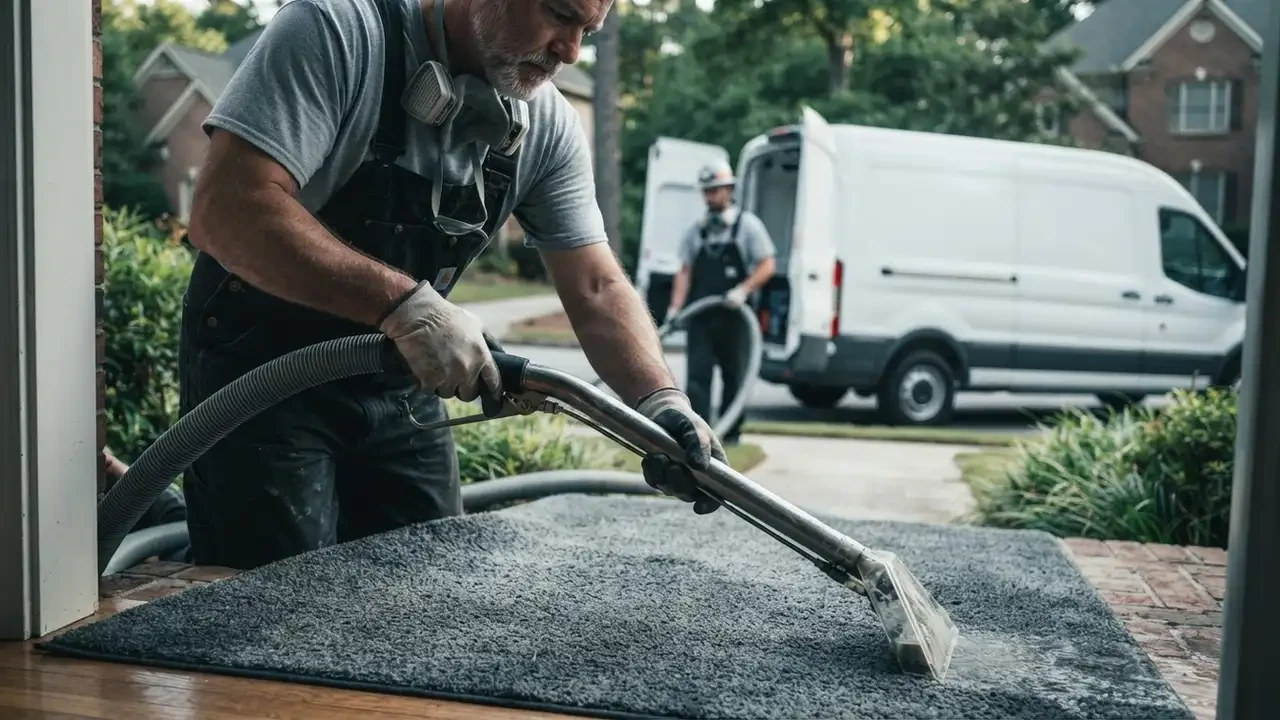
Water extraction units remove standing water before drying begins. Clearing water promptly limits continued exposure of drywall, flooring, and other porous building materials.

05
✓

Dri-Eaz Equipment

Dri-Eaz drying equipment supports controlled airflow and dehumidification during structural drying. We select placement based on room conditions and check progress instead of relying on equipment runtime alone.

Real results

Before and After.

Water damage restoration in Smyrna : team of restoration technicians unloading heavy-duty water extraction equipment from a
Drywall Water Damage Repair

Laundry Wall After Supply Leak

A leaking laundry supply line left a 4-by-6-foot area of drywall stained and soft. Water had reached the lower insulation and baseboard, while the paint bubbled along one seam. A surface patch would have covered the damage but left the cavity wet.

After: We removed the weakened section, checked the exposed framing, and dried the cavity over 48 hours with equipment in place. New drywall was installed, taped, and finished in coats. The wall was firm and ready for primer after the work sequence was complete.

Book this service →
Water damage restoration in Smyrna : detail shot of a clean, dry concrete basement floor after water damage restoration
Drywall Water Damage Repair

Upper Wall Beneath Roof Leak

A roof leak left a 3-foot stain at the bedroom ceiling edge and a musty smell after rain. The drywall remained partly firm, but moisture readings showed the corner and a section of insulation were still wet.

After: Once the roof entry was controlled, we opened the affected corner, removed compromised board and insulation, and dried the cavity for 72 hours. We rebuilt the ceiling edge and wall joint, then prepared the finish for paint. The repair followed the water path rather than stopping at the stain.

Book this service →
Water damage restoration in Smyrna : restoration technician using a professional-grade water extractor to remove standing
Drywall Water Damage Repair

Basement Wall After Water Entry

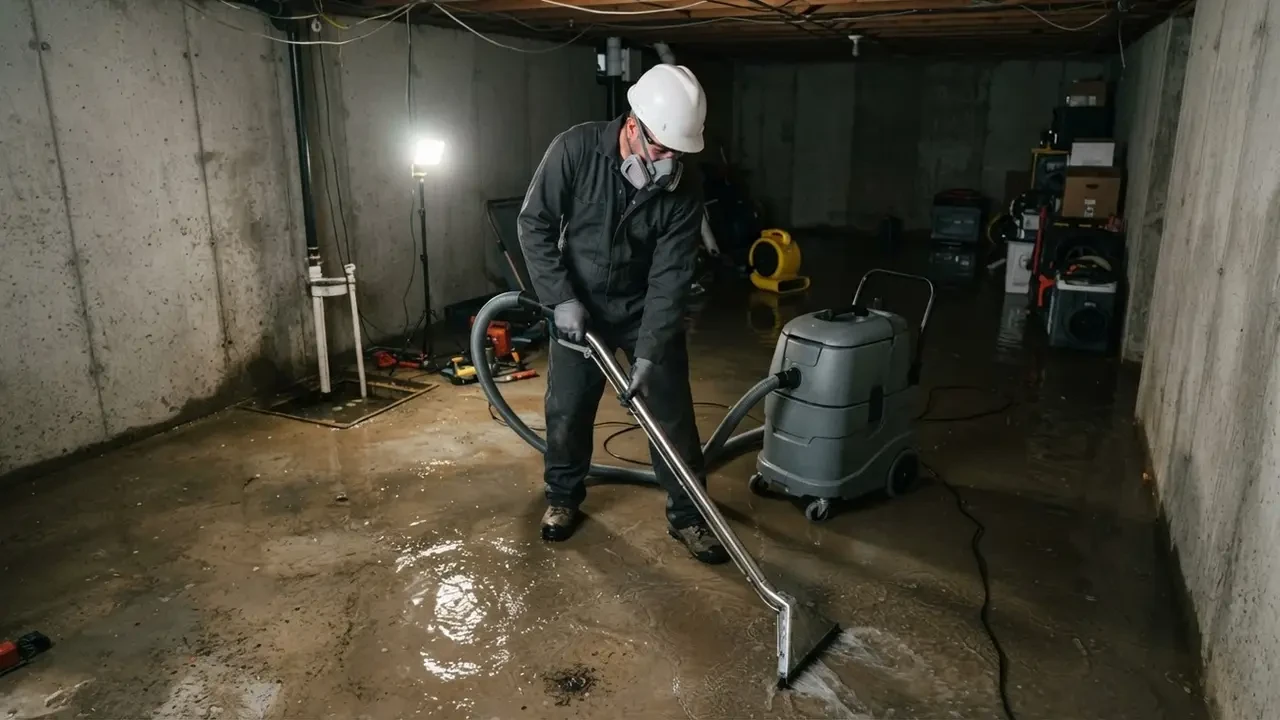
Rainwater entered a basement and left a 2-foot-high damp band along 10 feet of drywall. The lower board had swollen, and the baseboard trapped moisture near the floor. The visible damage did not show how far the cavity was affected.

After: We removed the swollen lower section, checked insulation, and used extraction and dehumidification to dry the room. After readings improved, we replaced the board and restored the joint line. The basement wall was left smooth and ready for primer, with the affected length repaired.

Book this service →
Problems we solve

Problems Solved by Timely Wall Repair

If you are searching for affordable drywall water damage repair in Smyrna Georgia, start by finding out whether the wall is still wet. A stain, soft patch, or musty odor can signal damage behind the finish. We locate the affected area, remove material that cannot be saved, and rebuild after drying so the same problem is not hidden under fresh paint.

Ask a pro →
01

A Brown Ceiling-Edge Stain Keeps Growing After Rain.

We inspect the ceiling and adjoining wall, check the likely roof-leak path, and measure moisture beyond the stain. After the entry point is controlled, we remove unsound drywall, dry the cavity, and rebuild the affected section. You get a repair based on the actual wet area rather than the stain alone.

↗
02

The Wall Feels Soft After a Pipe Burst or Appliance Leak.

We protect the floor, open the affected section with a controlled cut, and check the cavity for wet insulation and framing. Water extraction and drying address active moisture before replacement board goes in. This sequence helps keep the rebuilt wall stable and prevents closing in materials that still need attention.

↗
03

A Musty Smell Remains After Surface Cleanup.

We trace the odor to the affected area, use moisture readings to guide inspection, and open the wall where evidence supports it. If contaminated materials or mold growth are found, we address those conditions before reconstruction. Deodorizers are used only after the source and damp materials have been handled.

↗
04

Fresh Paint Bubbles Over an Old Water Mark.

We test the wall rather than applying another coat over the bubble. If the board remains sound and dry, surface preparation may be enough; if it is swollen or weakened, we replace the affected section. We then rebuild the joints and prepare the finish so new paint has a stable base.

↗
Proof you can check

Standards and Work Evidence

  • IICRC Water Damage Restoration Technician · Institute of Inspection, Cleaning and Restoration Certification
  • IICRC Applied Structural Drying · Institute of Inspection, Cleaning and Restoration Certification
  • EPA Lead-Safe work practices · U.S. Environmental Protection Agency
Good questions

Frequently Asked Questions

(833) 546-4116 →

Small drywall water damage repairs often vary while larger removals and rebuilds can be higher for larger losses. The price depends on the area opened, insulation replacement, drying duration, texture, and paint blending. We check the wall and explain upfront pricing before work begins. Water damage in flooring or multiple rooms adds separate labor and materials.

Yes, water-damaged drywall can be repaired when the leak is stopped and the wall assembly is dry, with small patches often completed in two to four workdays. We remove board that is soft, swollen, or contaminated, inspect insulation and framing, and dry the cavity before rebuilding. A minor surface mark with firm, dry board may need less removal, but paint alone will not correct hidden moisture.

A small drywall patch usually takes two to four workdays, including drying and joint-compound intervals; extensive damage can take a week or longer. Drying equipment may run for 24 to 72 hours when the wall cavity is wet, and readings determine when reconstruction can start. Painting and texture matching add time, especially when the repair spans several walls or ceilings.

Smyrna Water Damage Company handles drywall water damage restoration for homes and businesses across Smyrna and Cobb County. Call (833) 546-4116 to discuss the leak, visible damage, and whether active water remains. We inspect the affected wall, use moisture readings to plan removal and drying, and explain the repair steps. Service reaches ZIP codes 30126, 30082, 30080, and 30081.

Ready when you are

Call for Drywall Water Damage Repair

A wet wall needs a measured inspection before anyone seals it up. Our team serves Smyrna, Georgia, and can explain the drying and repair steps for your situation. Call (833) 546-4116 to schedule service; we provide upfront pricing before work begins.

Call for Repair (833) 546-4116 →
Request an appointment

Contact Our Team

Call (833) 546-4116 for help with a leak, flooded room, sewage backup, or mold concern in Smyrna. Calls are accepted around the clock for urgent restoration requests, and we connect you with independent companies serving the area. Share your neighborhood or ZIP code, the water source, and whether the damage is still active so we can direct your request.

Request received — our team will be in touch shortly.
↗
Emergency?Call now