We remove standing water and dry the space below your home.

Crawl Space Water Removal Smyrna GA for a Dry, Safer Home

Crawl space water removal Smyrna GA helps homeowners facing standing water, soaked insulation, or persistent damp odors beneath the house. We locate the water source, extract pooled water, and set up controlled drying so you can address the damage before it spreads to framing or living areas. Our crew serves Smyrna, Georgia, and nearby Cobb County neighborhoods with practical steps, clear communication, and equipment matched to the conditions under your home.

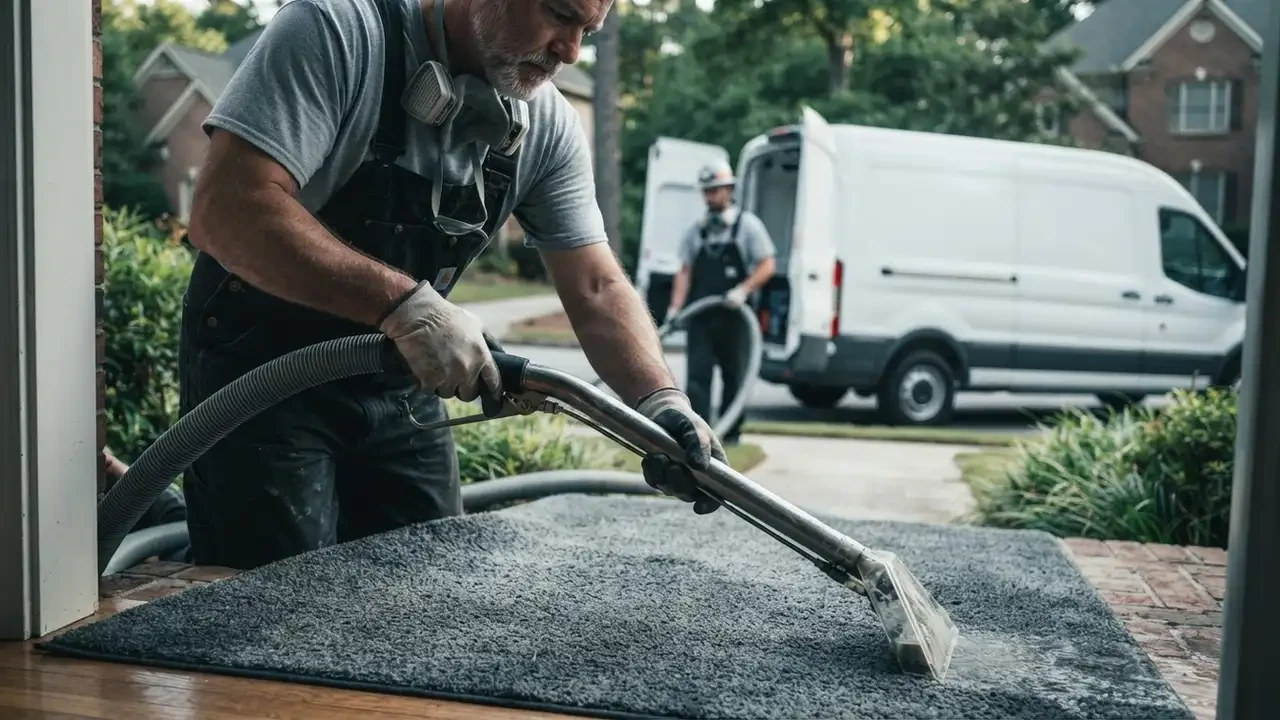
Water damage restoration in Smyrna : team of restoration technicians unloading heavy-duty water extraction equipment from a
Careful work. Honest options.
About this service

Crawl Space Water Removal Smyrna GA Explained

Crawl space water removal Smyrna GA is a water mitigation service that extracts standing water and dries damp structural materials after a leak, intrusion, or flooding. We begin by checking access, identifying visible water paths, and measuring moisture in framing and insulation. Water extraction units remove pooled water; industrial air movers and dehumidifiers then help lower moisture in affected areas. We also document conditions and check for related damage such as corrosion, wet vapor barriers, or odor. The goal is to leave the area measurably drier and ready for any needed repairs.

In Smyrna, crawl spaces can take on water after heavy rain, a pipe burst, a sump pump failure, or runoff collecting near a foundation. A roof leak can also travel through framing before appearing below the floor, so the source matters as much as the puddle. If you are searching for same-day crawl space water removal Smyrna GA, we can assess the water, explain the next steps, and begin extraction when conditions allow. We serve homes across Cobb County, including older properties with tight access and newer builds with encapsulated spaces.

  • ✓ Less time with standing water
  • ✓ Better moisture visibility
  • ✓ Reduced odor sources
  • ✓ A clearer repair plan
What's included

What Crawl-Space Water Removal Includes

The service covers inspection of accessible areas, removal of standing water, and a drying setup suited to the affected materials. We check moisture and explain the findings as work progresses. If the visit reveals a plumbing failure, extensive mold growth, contaminated water, or damaged construction that needs replacement, we discuss the appropriate additional work before proceeding. Your plan stays tied to what we find beneath your home.

01
✓

Water Source Inspection

We look for visible plumbing leaks, runoff paths, sump-pump problems, and low spots where water collects. Identifying the likely source helps direct immediate action and reduces the chance that extraction is followed by another influx.

02
✓

Standing Water Extraction

We use pumps or water extraction units to remove accessible pooled water. Equipment placement depends on depth, debris, and entry clearance, with attention to limiting disturbance to unaffected areas and maintaining a safe route in and out.

03
✓

Moisture Checks

We measure affected framing and other accessible materials with moisture meters, then compare readings during drying. These checks show whether moisture is declining and whether equipment placement should change.

04
✓

Drying Equipment Setup

Industrial air movers and dehumidifiers support controlled drying after extraction. We position equipment to circulate air through wet areas and explain what to expect while it operates, including access and routine progress checks.

05
✓

Findings and Next Steps

We explain which areas were wet, what was removed, and what needs attention next. Depending on the findings, that could mean a plumber, drainage work, insulation replacement, or a separate assessment for mold or structural damage.

How it works

What to Expect During Service

We check the crawl-space entrance, standing water, visible plumbing, and likely paths from rain or drainage. A moisture meter helps identify damp framing beyond the puddle. The initial inspection often takes 30 to 60 minutes, depending on access and the size of the affected area. We explain what we find before moving equipment inside.

Water removal works best after the active source is stopped or controlled. We identify whether the water appears tied to a plumbing leak, storm runoff, or a failed sump pump, then coordinate the appropriate next action. If a pipe is still leaking, we focus on safe containment and help you understand what needs repair before drying can hold.

We position water extraction units and pumps to remove standing water without spreading it into unaffected areas. Tight access, muddy surfaces, and low clearances change how equipment is placed, so we adapt the setup to your crawl space. A small affected area may take a few hours to extract; deeper or widespread water takes longer.

After extraction, we place industrial air movers and dehumidifiers to circulate air and remove moisture from the space. We keep equipment clear of hazards and check that airflow reaches wet framing and insulation. Drying commonly takes 24 to 72 hours, with readings guiding adjustments rather than a fixed timer.

We return to check moisture readings, equipment operation, and remaining damp areas. When readings show the materials have reached the agreed drying target, we explain what was dried and flag repairs that remain, such as insulation replacement or drainage correction. You leave with a clear next step and a record of the affected areas.

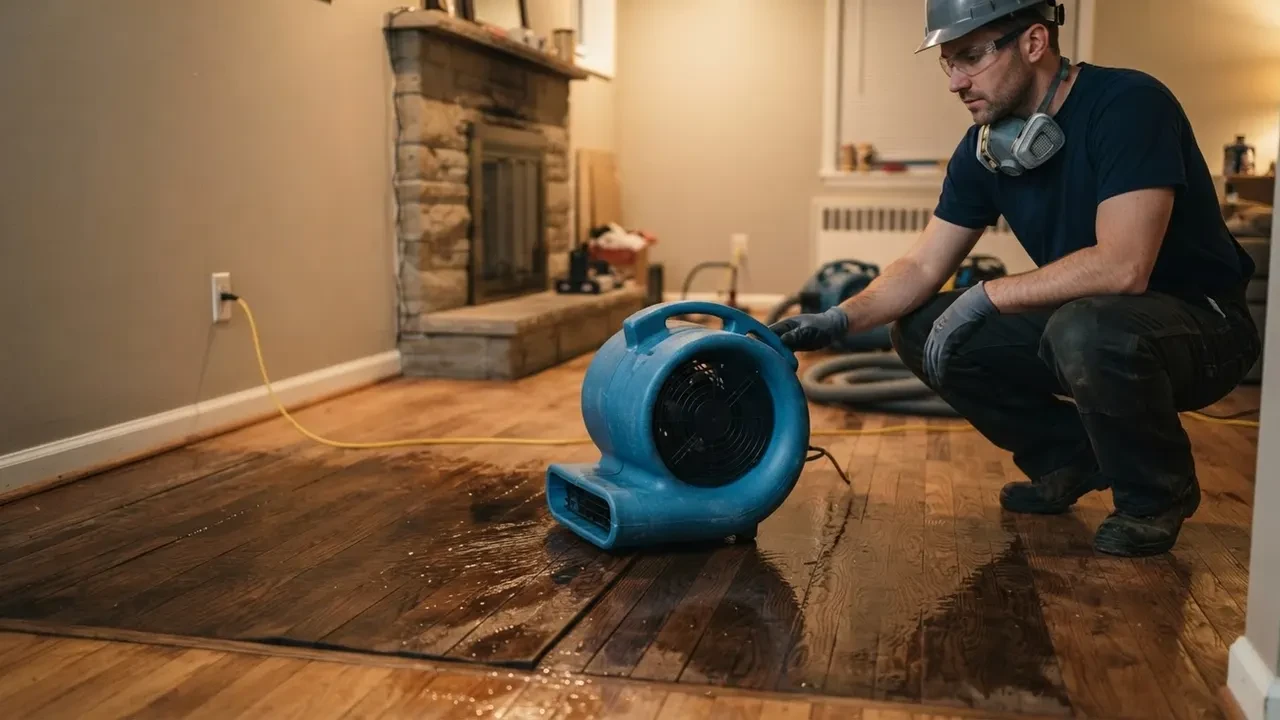
Water damage restoration in Smyrna : Close-up of a powerful industrial air mover positioned to dry a section of wet hardwood
STEP 01Inspect and locate

We check the crawl-space entrance, standing water, visible plumbing, and likely paths from rain or drainage. A moisture meter helps identify damp framing beyond the puddle. The initial inspection often takes 30 to 60 minutes, depending on access and the size of the affected area. We explain what we find before moving equipment inside.

Tools & methods

Equipment and Drying Methods

01
✓

Water Extraction Units

These remove standing water from low points and accessible crawl-space surfaces. We choose the setup based on water depth, debris, and clearance so the extraction pass reaches more than the easiest visible puddle.

02
✓

Moisture Meters

Moisture meters check accessible wood and other materials for retained dampness. We compare affected readings with nearby reference areas and use follow-up checks to guide drying decisions.

03
✓

Industrial Air Movers

Air movers create directed airflow across wet surfaces and framing. We position them to reach affected zones while considering low clearance, obstacles, and safe access through the crawl-space opening.

04
✓

Dehumidifiers

Dehumidifiers remove moisture from the air during structural drying. Used with appropriate airflow, they help create conditions for damp materials to release moisture rather than leaving the crawl space stagnant.

05
✓

Thermal Imaging Cameras

Thermal imaging can help identify temperature patterns that point to areas needing closer inspection. We confirm suspected moisture with direct assessment and meter readings; an image alone does not prove a leak.

Real results

Before and After.

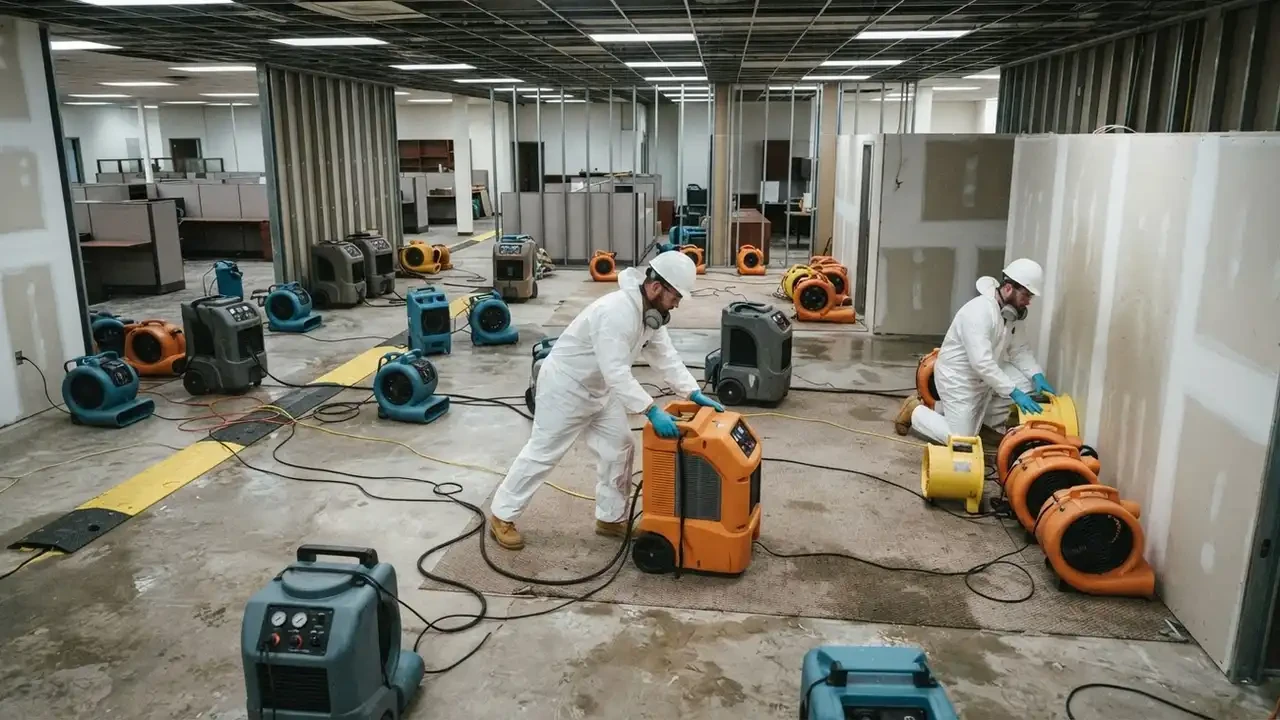
Water damage restoration in Smyrna : aerial view inside a large commercial office space, showing multiple industrial
Crawl Space Water Removal

Rainwater Cleared From a Low Corner

After a storm, water had collected in one low corner beneath a Smyrna home. The puddle was several inches deep, damp insulation hung near the foundation, and a musty smell had started near the back room. The homeowner did not know whether the source was a pipe or surface runoff.

After: We removed the pooled water, checked the nearby framing, and traced the likely entry path to runoff near the wall. Drying equipment ran for about 48 hours, with follow-up readings showing lower moisture in the accessible framing. The remaining drainage correction was explained separately.

Book this service →
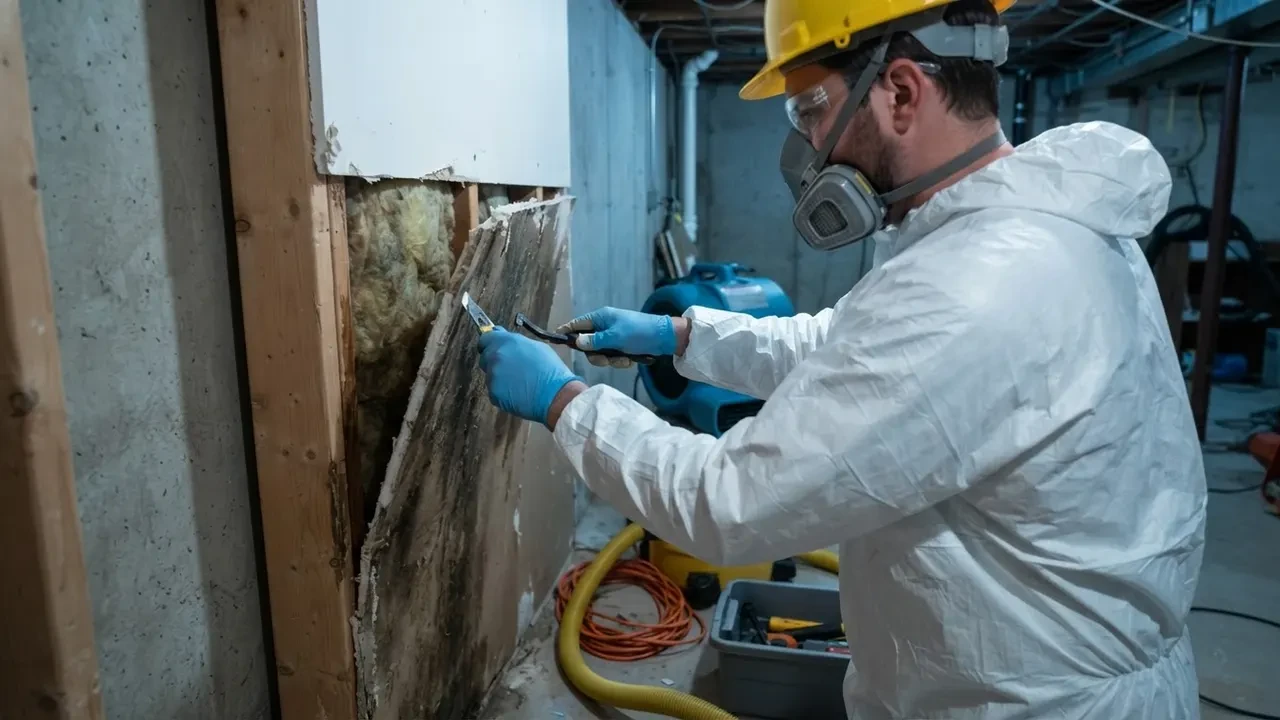
Water damage restoration in Smyrna : restoration technician in full PPE, including a respirator, carefully removing a
Crawl Space Water Removal

Slow Plumbing Leak Stopped and Dried

A small supply-line leak had dripped beneath the floor for several days before the owner noticed dampness and a soft odor. Water was limited to one section, but insulation held moisture against nearby framing and concealed how far the leak had spread.

After: Once the leak was stopped, we extracted the pooled water and checked surrounding wood with a moisture meter. Air movers and a dehumidifier supported drying over roughly 36 hours, followed by a progress check. The affected insulation was identified for replacement where it could not be dried effectively.

Book this service →
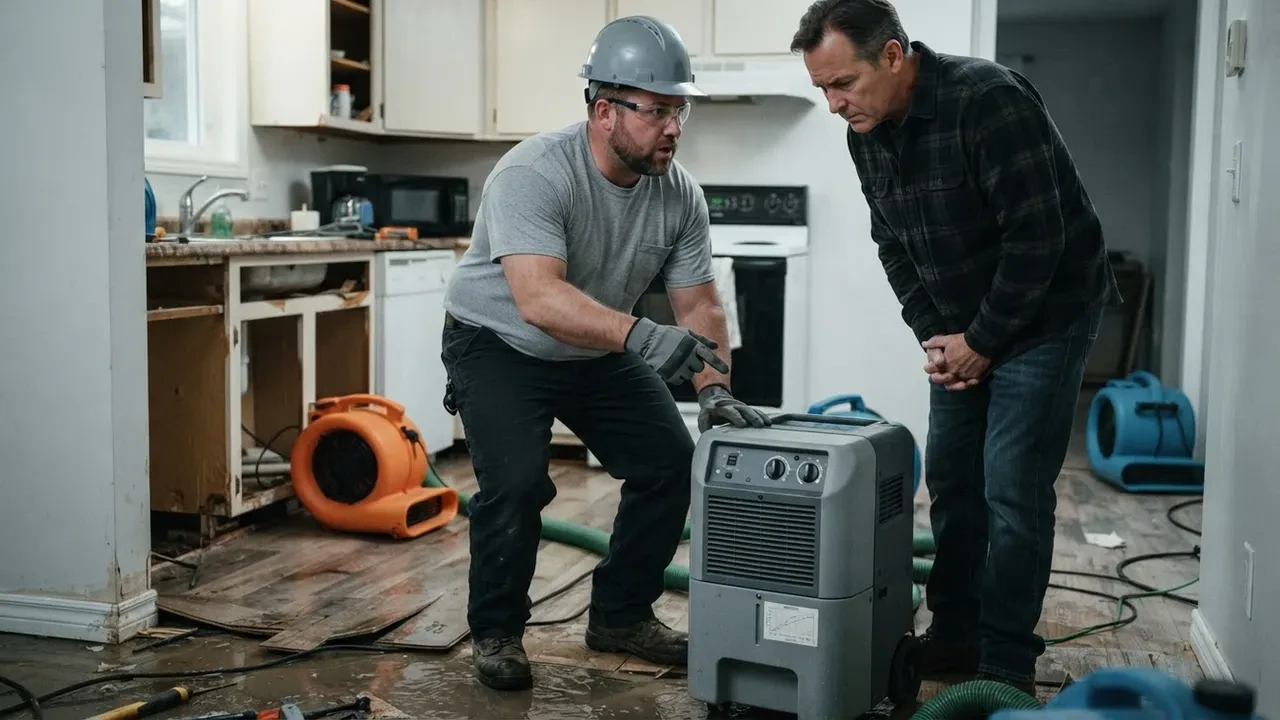
Water damage restoration in Smyrna : restoration technician explaining the drying process to a male homeowner in his
Crawl Space Water Removal

Sump-Area Water Removed After Failure

The sump pump stopped during a storm, leaving water around the basin and extending into a shallow depression. The homeowner saw no indoor flooding but worried about wet floor joists and a repeat event during the next rainfall.

After: We removed standing water, inspected the basin area, and checked accessible framing for retained moisture. Drying equipment ran for about 24 hours, with readings used to confirm improvement. The need for pump repair was clearly separated from the completed extraction and drying work.

Book this service →
Problems we solve

Problems Solved by Crawl-Space Water Removal

Water beneath a Smyrna home can stay hidden until odor, damp flooring, or visible damage appears. We address the immediate water and investigate the conditions that let it collect, giving you a practical path from extraction to drying and repair.

Ask a pro →
01

Rainwater Pooling Below a Sloped Lot After a Strong Storm

We remove accessible water, inspect the likely runoff route, and check framing and insulation for retained moisture. We explain whether the condition points to drainage work or another source correction, then dry affected materials with equipment positioned for the space.

↗
02

A Slow Pipe Leak Soaking Insulation Before a Stain Appears Indoors

We identify the wet zone and likely plumbing path, then coordinate the extraction sequence with stopping the leak. Moisture readings help us track damp framing, while any wet insulation that cannot be effectively dried is identified for appropriate replacement.

↗
03

Sump Pump Failure Leaving Water in a Low Crawl-Space Corner

We extract the standing water and check the pump area for signs of continued inflow. We explain whether pump repair or replacement is needed alongside drying, so you can address both the water already present and the equipment failure.

↗
04

Persistent Musty Odor After Visible Water Has Drained Away

We inspect accessible surfaces, take moisture readings, and look for concealed damp areas. Drying targets the remaining moisture source first; cleaning or deodorization follows when appropriate, rather than masking the smell while materials stay wet.

↗
Proof you can check

Training and Service Standards

  • IICRC Water Damage Restoration Technician · Institute of Inspection, Cleaning and Restoration Certification
  • IICRC Applied Structural Drying · Institute of Inspection, Cleaning and Restoration Certification
  • OSHA 10-Hour Construction Safety · Occupational Safety and Health Administration
Good questions

Crawl Space Water Removal Questions

(833) 546-4116 →

A straightforward extraction often varies, while extensive drying or contaminated water can raise the total. Price depends on water depth, crawl-space size, access, source control, and how many days equipment must run. We inspect the affected area and explain the price before work starts. Repairs such as plumbing, drainage changes, or replacing insulation are separate tasks when required.

Water in a Smyrna crawl space commonly comes from storm runoff, a plumbing leak, a failed sump pump, or drainage that directs water toward the foundation. We trace visible flow and check nearby pipes, low spots, and the ground around the home. Finding the source is essential; extracting water without correcting an active leak or repeated runoff leaves the space vulnerable to another event.

Extraction often takes two to six hours, while drying commonly takes 24 to 72 hours or longer for saturated materials. The time depends on water volume, crawl-space access, temperature, and how much insulation or framing is wet. We use moisture readings to check progress and adjust equipment. A space can look dry before the wood and other materials have reached an appropriate moisture level.

Smyrna Water Damage Company handles crawl-space inspection, water extraction, and structural drying for homes in Smyrna and Cobb County. Call (833) 546-4116 to discuss the water source, how much is visible, and whether the area is safe to enter. For active sewage or electrical hazards, stay out of the space while we help determine the safest response.

Ready when you are

Get Crawl Space Water Removal Smyrna GA

Standing water under your home needs a source check and a drying plan, not just a quick pump-out. Our trained technicians explain the findings and provide upfront pricing. Call Smyrna Water Damage Company at (833) 546-4116 to arrange service.

Call for service (833) 546-4116 →
Request an appointment

Contact Our Team

Call (833) 546-4116 for help with a leak, flooded room, sewage backup, or mold concern in Smyrna. Calls are accepted around the clock for urgent restoration requests, and we connect you with independent companies serving the area. Share your neighborhood or ZIP code, the water source, and whether the damage is still active so we can direct your request.

Request received — our team will be in touch shortly.
↗
Emergency?Call now