Stop the water, dry the structure, protect your home

Water Damage Restoration in Smyrna, Done Right

Water Damage Restoration in Smyrna helps homeowners and businesses limit damage after a pipe burst, roof leak, appliance failure, or storm. Our team extracts standing water, checks affected materials, and sets a measured drying plan so you know what needs attention now. If you are searching for Smyrna water damage restoration after a sudden leak, call (833) 546-4116 to discuss the next steps.

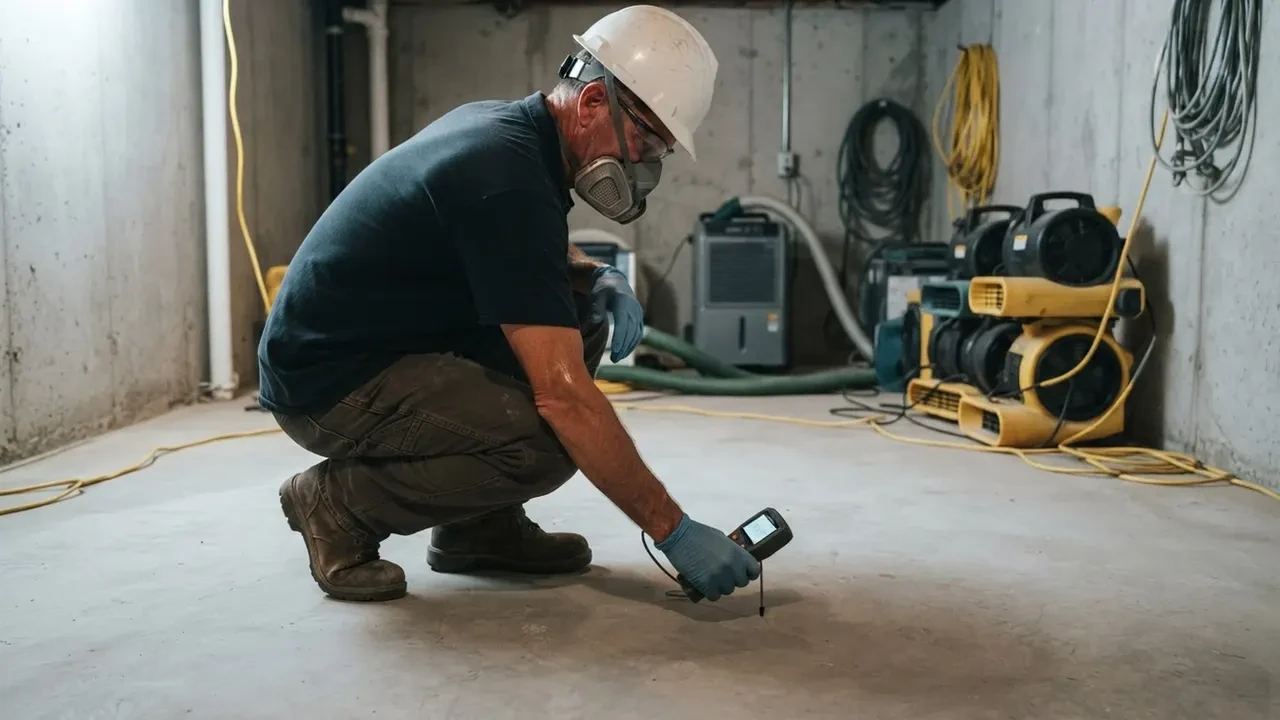
Water damage restoration in Smyrna : detail shot of a clean, dry concrete basement floor after water damage restoration
Careful work. Honest options.
About this service

Water Damage Restoration in Smyrna: the Work

Water Damage Restoration in Smyrna is a property recovery service that removes water, dries affected building materials, and addresses damage after leaks or flooding. We start by finding the water source and recording moisture readings, then extract standing water and assess drywall, insulation, flooring, and contents. Moisture meters and thermal imaging cameras help us locate damp areas that are not visible from the surface. From there, we set air movers and dehumidifiers, check progress, and identify materials that need repair or replacement. Drying is verified with measurements, not guesswork.

Smyrna homes and businesses face water intrusion from pipe bursts, roof leaks, basement flooding, and storm damage; a small ceiling stain can hide wet insulation or framing. Our local crew works across Cobb County, including older homes and multi-unit properties where water can travel between floors or shared walls. If you need water damage restoration Smyrna GA near me, we can discuss what happened and how soon extraction should begin. We document the affected areas and keep the work focused on stopping further loss.

  • ✓ Water Out Sooner
  • ✓ Hidden Moisture Found
  • ✓ Materials Handled Correctly
  • ✓ A Clear Recovery Plan
What's included

What Water Damage Restoration Includes

Water Damage Restoration includes an initial assessment, standing-water extraction, drying equipment, and moisture checks for affected materials. We also document visible damage and explain practical repair needs. Specialized work such as sewage cleanup, mold remediation, contents pack-out, or reconstruction is added when the source and condition of the property call for it. You will know which steps address the water loss and which restore the finished space.

01
✓

Initial Moisture Assessment

We inspect the source area and nearby rooms, record moisture readings, and note materials that may be affected. That includes looking beyond visible stains to connected walls, ceilings, and flooring. The assessment guides extraction and equipment placement and gives you a baseline for later progress checks.

02
✓

Standing-Water Extraction

We remove pooled water from floors and accessible materials using extraction equipment suited to the loss. Removing water early reduces continued exposure for flooring and contents. After extraction, we inspect hidden edges and low points where water can collect beneath furniture or along baseboards.

03
✓

Controlled Structural Drying

We place air movers and dehumidifiers to dry affected materials and manage moisture in the room. Equipment position follows the room layout and readings, then changes as conditions improve. We monitor the setup and explain the expected operating time so you can plan around noise and access.

04
✓

Progress Records and Updates

We record readings and condition changes during the job, then explain what is dry and what still needs work. Photos and notes help you understand the affected areas and communicate with your insurer or repair contractor. Documentation supports decisions; it does not determine insurance coverage.

05
✓

Repair Recommendations

Once drying is complete, we identify materials that need repair or replacement, such as damaged drywall, insulation, or flooring. We explain why a material can remain or needs removal. Reconstruction is planned after the wet assembly is ready, helping avoid installing finishes over unresolved moisture.

How it works

What to Expect From Our Process

We begin by identifying the water source, affected rooms, and immediate safety concerns. If the leak is active, we help determine whether a plumber or roofer needs to stop it before restoration proceeds. We photograph visible damage and take baseline moisture readings. The first assessment often takes about 30 to 90 minutes, depending on access and the size of the loss.

Our crew removes pooled water with extraction equipment, then checks carpet, padding, and hard flooring for trapped moisture. A small room may take one to three hours to extract; a flooded lower level takes longer. We move contents as needed to reach wet areas and protect salvageable belongings from continued contact with water.

We position industrial air movers and dehumidifiers to circulate air across wet surfaces and collect moisture from the room. Equipment placement depends on the materials, room layout, and initial readings. We explain normal operating noise and access needs, then record the setup so the next inspection can compare conditions accurately.

We return to check moisture readings, humidity, and equipment operation, adjusting airflow when the drying pattern changes. Many contained losses take about three to five days to dry; saturated assemblies or multiple rooms often need longer. You receive updates on what is dry, what remains wet, and whether any material removal is necessary.

Before equipment comes out, we verify that affected materials have reached suitable dry readings and document the final condition. We discuss repairs such as replacing drywall, insulation, or flooring where drying is not appropriate. If the loss involves a claim, we can organize photos and work records to support your communication with the insurer.

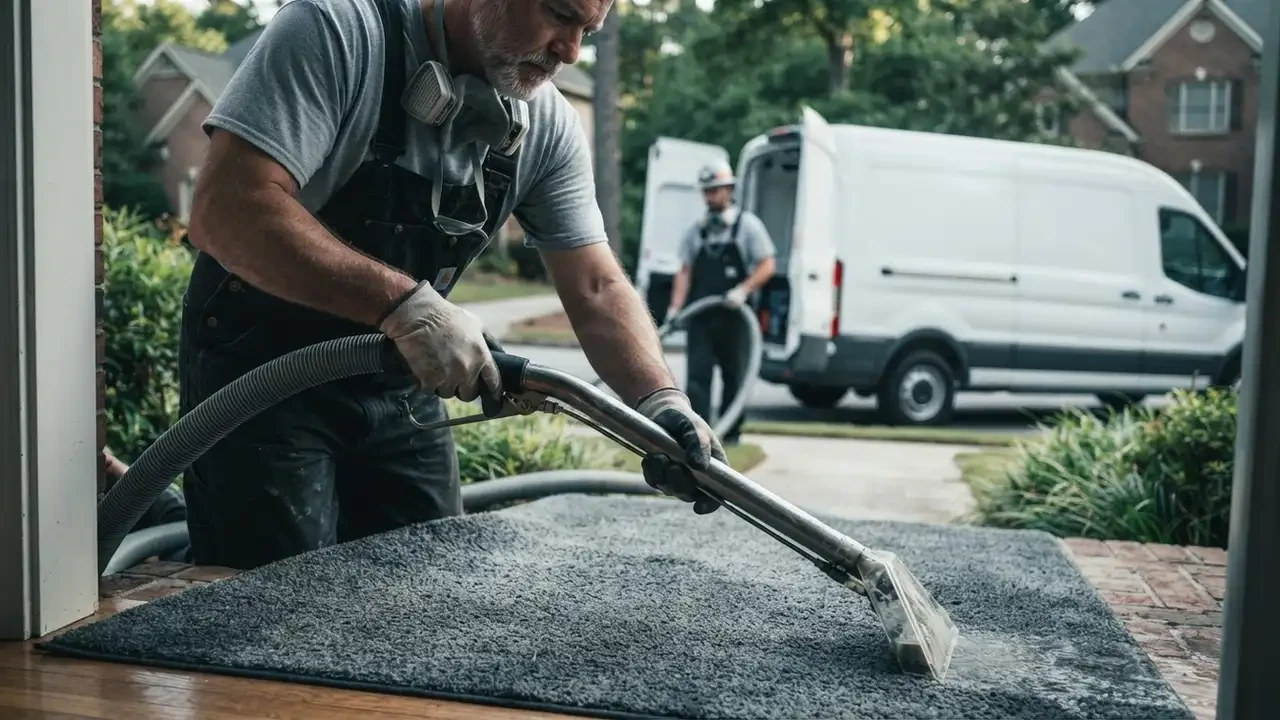
Water damage restoration in Smyrna : team of restoration technicians unloading heavy-duty water extraction equipment from a
STEP 01Inspect and Stabilize

We begin by identifying the water source, affected rooms, and immediate safety concerns. If the leak is active, we help determine whether a plumber or roofer needs to stop it before restoration proceeds. We photograph visible damage and take baseline moisture readings. The first assessment often takes about 30 to 90 minutes, depending on access and the size of the loss.

Tools & methods

Equipment and Drying Methods

01
✓

Moisture Meters

We use moisture meters to compare affected materials with dry reference areas and record changes during the job. Readings help guide drying and repair decisions.

02
✓

Thermal Imaging Cameras

Thermal imaging cameras show temperature patterns that can point to areas needing closer inspection. We confirm suspected moisture with direct measurements rather than relying on the image alone.

03
✓

Industrial Air Movers

Industrial air movers direct airflow across wet surfaces to help moisture leave materials. We position and adjust them based on room geometry, readings, and the drying plan.

04
✓

Dehumidifiers

Dehumidifiers collect moisture released into the air during drying. We select equipment for the affected area and monitor room conditions while wet materials lose moisture.

05
✓

Water Extraction Units

Water extraction units remove pooled water from floors and accessible soft materials. Extraction reduces the volume left for drying equipment and helps limit ongoing saturation.

Real results

Before and After.

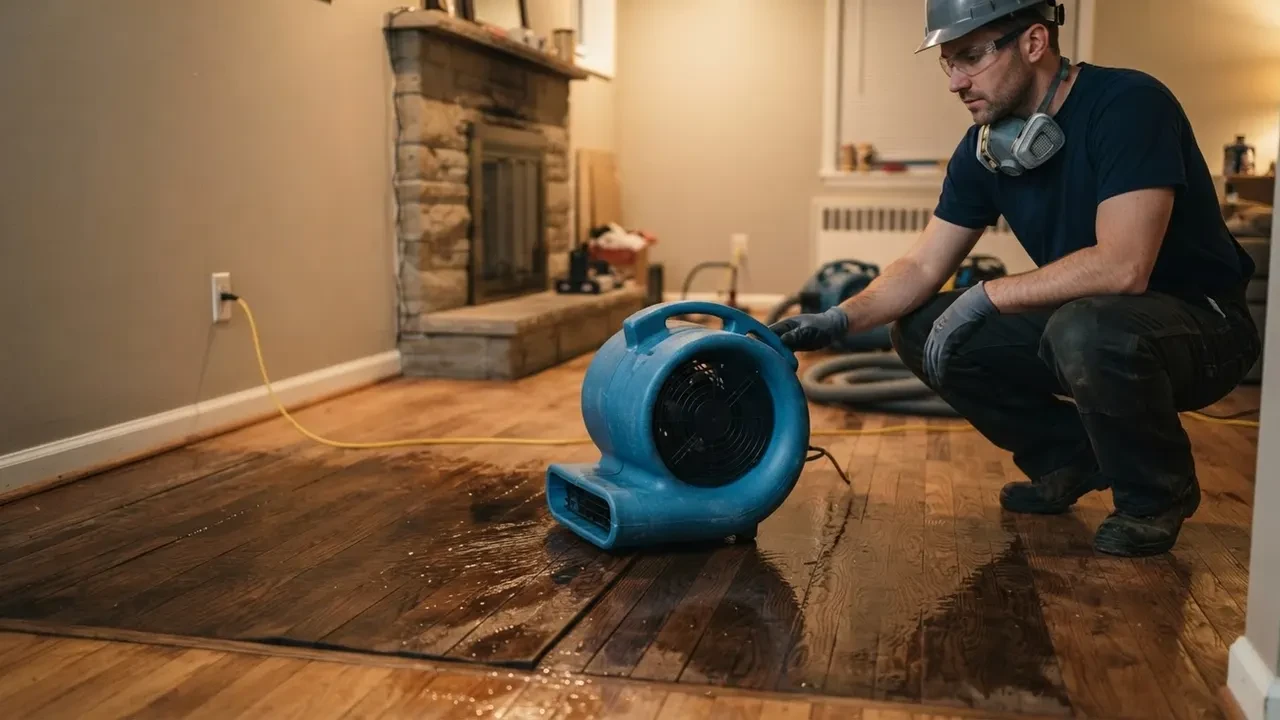
Water damage restoration in Smyrna : Close-up of a powerful industrial air mover positioned to dry a section of wet hardwood
Water Damage Restoration

Kitchen Supply-Line Leak

A failed line under the sink left water across the cabinet base and into the kitchen flooring. The cabinet toe-kick was swollen, and moisture readings showed the wall beside the dishwasher was also affected. The homeowner had shut off the supply but did not know whether the subfloor could be saved.

After: We extracted the pooled water, checked the cabinet and adjacent wall, and ran drying equipment for four days. Follow-up readings showed the accessible materials had dried enough for repair planning. The damaged toe-kick was removed, while dry cabinet sections remained in place.

Book this service →
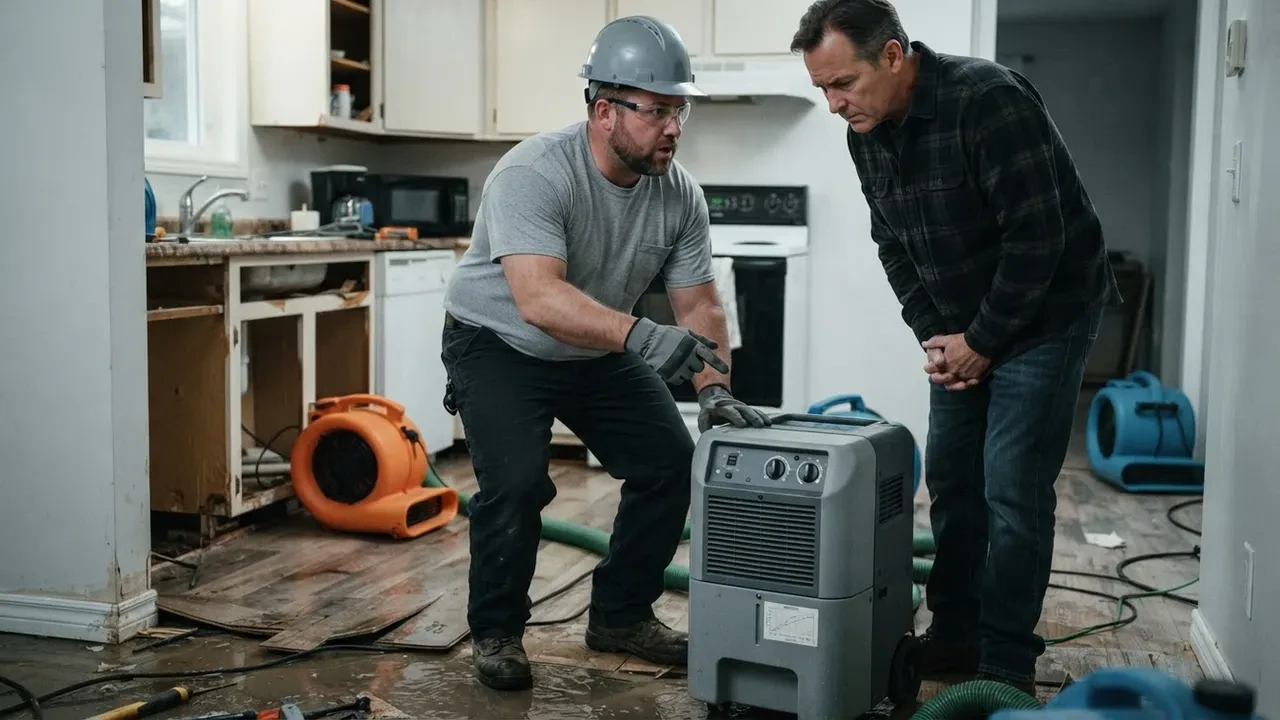
Water damage restoration in Smyrna : restoration technician explaining the drying process to a male homeowner in his
Water Damage Restoration

Storm-Driven Ceiling Leak

After heavy rain, a ceiling stain spread across a bedroom near the roofline. The surface looked dry by the next morning, but insulation above the ceiling remained damp and the room smelled musty. The roof opening needed attention before interior repairs could hold.

After: After the roof source was addressed, we inspected the ceiling cavity, removed wet insulation, and set drying equipment. Moisture checks over three days showed the framing returning toward dry conditions. The homeowner then had a clear repair area rather than a stain hiding wet material.

Book this service →
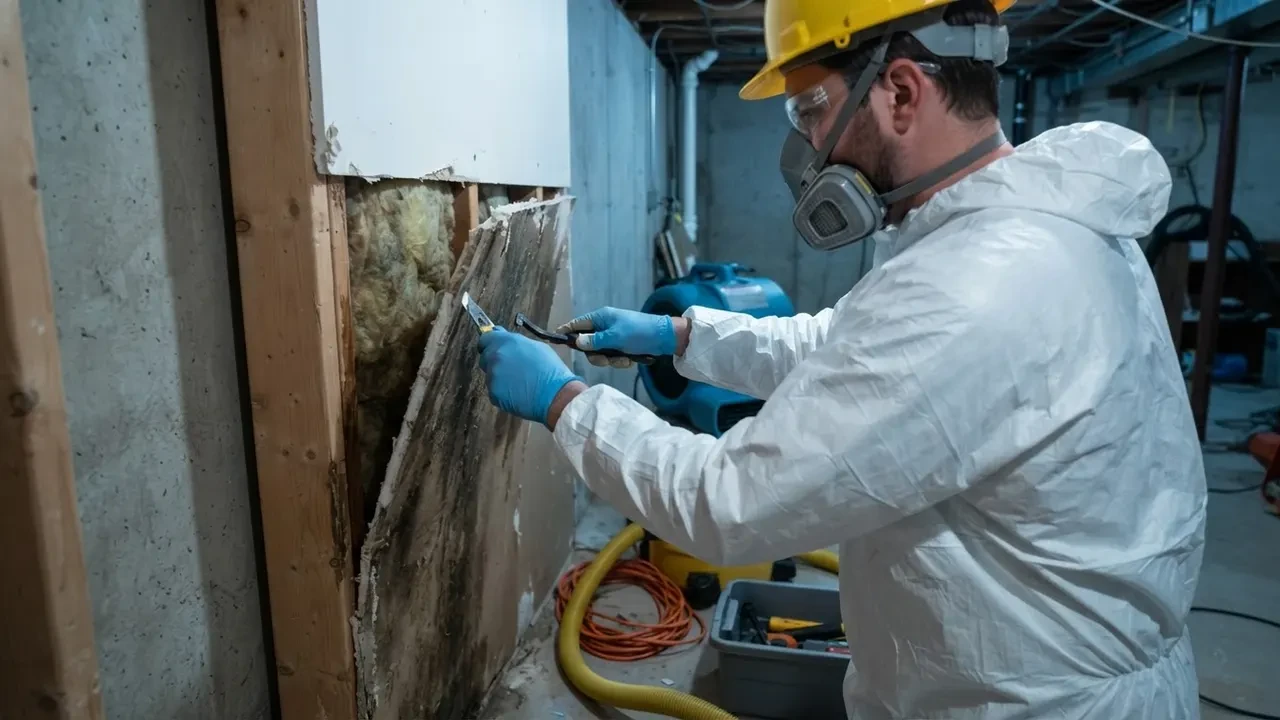
Water damage restoration in Smyrna : restoration technician in full PPE, including a respirator, carefully removing a
Water Damage Restoration

Lower-Level Rain Intrusion

Rainwater pooled along a basement wall, soaking storage boxes and the carpet edge. The water receded, but the carpet padding stayed wet and several cardboard items softened. The homeowner wanted to know whether the room needed full flooring replacement.

After: We extracted water, removed wet padding that could not be restored, and dried the floor and lower wall. Monitoring over five days confirmed the affected area was ready for flooring repairs. Contents were separated for cleaning or disposal instead of being returned while damp.

Book this service →
Problems we solve

Problems Water Damage Restoration Solves

Water left in a home rarely stays where it first appeared. It moves through seams, cavities, and porous materials, creating hidden damage and lingering odor. For affordable water damage restoration in Smyrna Georgia, we focus first on the source, extraction, and measured drying so the repair plan addresses the real wet area.

Ask a pro →
01

A Ceiling Stain Grows After a Roof Leak or Upstairs Plumbing Failure.

We inspect the ceiling and connected areas, check moisture above and around the stain, and remove water-damaged material when necessary. After the source is stopped, we dry the cavity and document readings before repairs. That sequence helps prevent a fresh ceiling patch from covering wet insulation or framing.

↗
02

Carpet Feels Damp Days After a Small Appliance Leak.

We extract water from the carpet and assess the padding and subfloor separately. Readings and contamination conditions guide whether materials can be dried or should be removed. We then set drying equipment where it can reach the affected layers and check progress until the area is ready for repair.

↗
03

Basement Water Returns After Heavy Rain or a Sump Problem.

We remove standing water, assess the floor and wall edges, and look for likely entry routes or system failures. Our crew dries affected materials and explains whether sump pump service or another source repair is needed. Addressing the entry point is key to reducing repeat losses.

↗
04

A Drain Backup Leaves Contaminated Water Across a Utility Room.

We restrict access, assess the affected footprint, and remove contaminated materials that cannot be safely restored. Our crew cleans and disinfects appropriate surfaces, then documents the work and conditions for you. We explain when the area is ready for regular use and what repairs remain.

↗
Proof you can check

Training and Work Standards

  • IICRC Water Damage Restoration Technician · Institute of Inspection, Cleaning and Restoration Certification
  • IICRC Applied Structural Drying · Institute of Inspection, Cleaning and Restoration Certification
  • IICRC Applied Microbial Remediation Technician · Institute of Inspection, Cleaning and Restoration Certification
  • EPA Lead-Safe certification · U.S. Environmental Protection Agency
Good questions

Water Damage Restoration Questions

(833) 546-4116 →

A contained cleanup may vary while extensive flooding and reconstruction can be higher for larger losses. The price in this area depends on water volume, affected rooms, material removal, drying time, and contamination. We assess the loss before explaining the work and its cost. Water damage repair Smyrna GA involving sewage or multiple floors usually requires more protective measures and labor than a small clean-water leak.

Many drying jobs take three to five days, while repairs may add several days to a few weeks. The timeline depends on how far water traveled, what materials are wet, and whether drywall or flooring must be replaced. We check moisture readings during the drying phase and tell you when equipment can be removed. Reconstruction starts after the affected areas are ready, not simply when the surface looks dry.

Homeowners insurance often covers sudden, accidental water damage, but coverage depends on your policy and the cause of the loss. Gradual leaks, neglected maintenance, and floodwater may be treated differently. We document affected areas, readings, and work performed so you have useful records for your insurer. Contact your carrier promptly, keep damaged items available for documentation, and ask the adjuster how your specific policy applies.

Choose a company that documents moisture, explains the drying plan, and communicates clearly about repairs and costs. Ask how the crew handles extraction, daily checks, and materials that cannot be dried in place. Our team serves Smyrna and surrounding Cobb County communities, and we can explain our process before work begins. If you need same-day water damage repair in Smyrna GA, call (833) 546-4116 to discuss the loss.

Ready when you are

Need Water Damage Restoration in Smyrna?

Call Smyrna Water Damage Company at (833) 546-4116 and tell us what happened, where water is visible, and whether the source is still active. Our team will help you understand the immediate next step and arrange a property assessment. We provide clear pricing before the work proceeds.

Call for Help (833) 546-4116 →
Request an appointment

Contact Our Team

Call (833) 546-4116 for help with a leak, flooded room, sewage backup, or mold concern in Smyrna. Calls are accepted around the clock for urgent restoration requests, and we connect you with independent companies serving the area. Share your neighborhood or ZIP code, the water source, and whether the damage is still active so we can direct your request.

Request received — our team will be in touch shortly.
↗
Emergency?Call now