Stop leaks, remove water, and protect your home

Storm Damage Restoration Smyrna GA, Done Right

Storm damage restoration Smyrna GA helps homeowners and property managers address roof openings, wind-driven rain, fallen branches, and indoor flooding before moisture spreads. Our team secures affected areas, removes standing water, and maps what needs drying or repair. If a storm has soaked ceilings, walls, floors, or belongings, call Smyrna Water Damage Company at (833) 546-4116 for a clear next step.

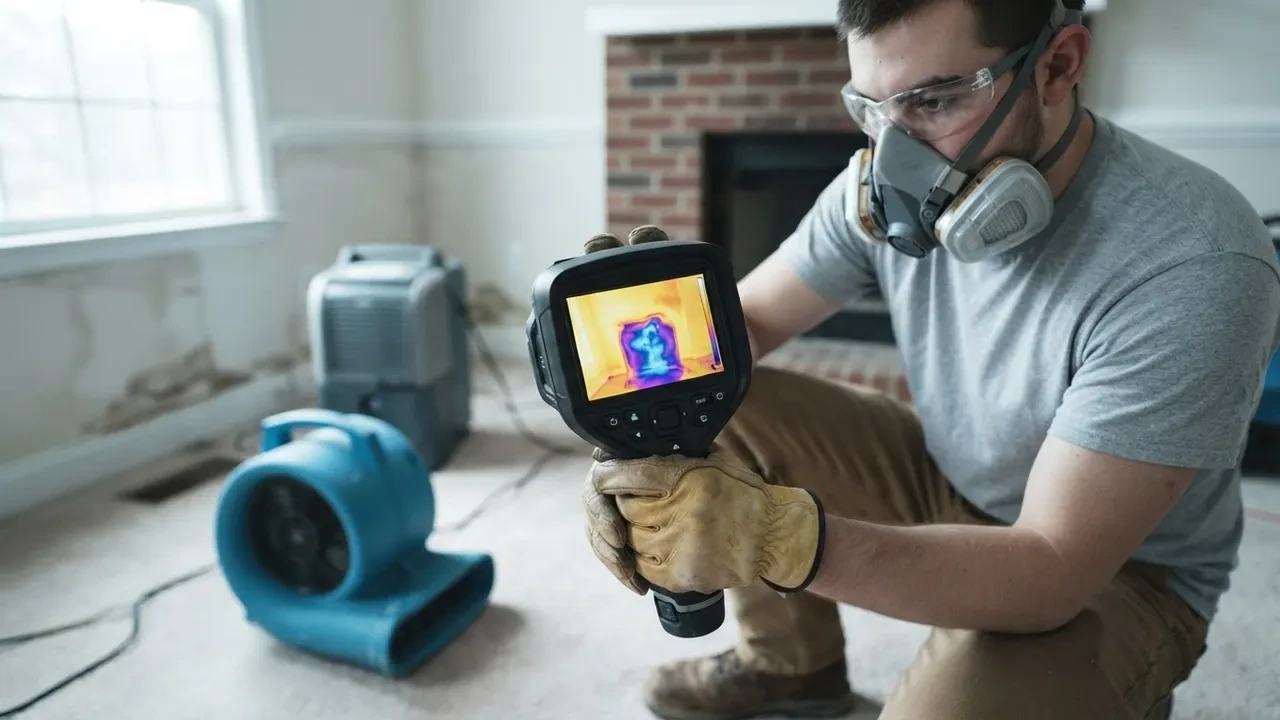
Water damage restoration in Smyrna : Close-up of a thermal imaging camera display showing a clear, colorful temperature
Careful work. Honest options.
About this service

Storm Damage Restoration Smyrna GA Explained

storm damage restoration Smyrna GA is a property recovery service that stops active water entry, removes storm water, and dries or repairs affected building materials after severe weather. We begin by checking safety, documenting visible damage, and locating moisture that may be hidden behind drywall or beneath flooring. Then we extract water, set drying equipment, and coordinate needed reconstruction. Moisture meters and thermal imaging cameras help us distinguish wet materials from surfaces that only look stained, so your cleanup plan follows measured conditions rather than guesswork.

Smyrna homes and businesses can face roof leaks, broken windows, overflowing drains, and basement flooding after heavy rain or strong wind. Wind-driven rain can enter through small openings and travel into insulation, carpet padding, or hardwood flooring before a ceiling stain appears. Our local team serves Cobb County and responds to calls for storm damage repair Smyrna GA, including properties near Spring Road. If you are searching for storm damage restoration Smyrna GA near me, tell us where water entered and which rooms are affected.

  • ✓ Limit hidden moisture
  • ✓ Protect salvageable belongings
  • ✓ Control the drying environment
  • ✓ Coordinate the next repair
What's included

What Storm Restoration Work Includes

Storm restoration covers the interior response to weather-related water damage: inspection, documentation, water extraction, drying, and repair planning. We address affected materials based on their measured condition and the source of water. Exterior roof or structural repairs, hazardous material abatement, and major reconstruction require their own defined work, but we can identify where they fit in the recovery sequence.

01
✓

Damage Inspection and Records

We inspect the rooms affected by rain, wind, or flooding and record visible damage and moisture conditions. Photographs and readings help establish what was wet and track progress. You can use these job records when discussing the loss with your insurance carrier.

02
✓

Water Extraction

We remove accessible standing water from floors and other affected areas using extraction equipment. The sooner pooled water is removed, the less time it has to soak into adjacent materials. We then check nearby surfaces for moisture that is not visible.

03
✓

Structural Drying and Monitoring

We place air movers and dehumidifiers to dry affected building materials and manage indoor humidity. Technicians recheck moisture readings during active drying and adjust equipment to suit changing conditions. We do not rely on equipment run time alone to determine completion.

04
✓

Material and Repair Planning

We identify materials that can be dried in place and those that are damaged beyond recovery. If drywall, insulation, or flooring needs removal, we explain the reason and the next repair stage. Repairs follow drying so moisture is not sealed behind new finishes.

05
✓

Contents and Work-Area Care

We help protect belongings and unaffected areas by organizing the work zone and moving contents when needed. Wet items are assessed by material and condition, while repair areas are kept accessible. This reduces avoidable disturbance as your property moves through cleanup.

How it works

What to Expect During Restoration

We walk through the affected rooms with you, identify active leaks and electrical or structural concerns, and photograph visible damage. Moisture readings establish a baseline for walls, floors, and ceilings. This first visit also identifies where water traveled, so we can plan access points and prioritize the rooms that need immediate attention.

Our technicians address immediate water entry by coordinating safe temporary protection, such as a tarp-over for a damaged roof, and identifying the source of interior flow. We do not cover a leak with a cosmetic patch while water is still entering. If utilities or structural conditions pose a hazard, we keep people clear until the area is safe.

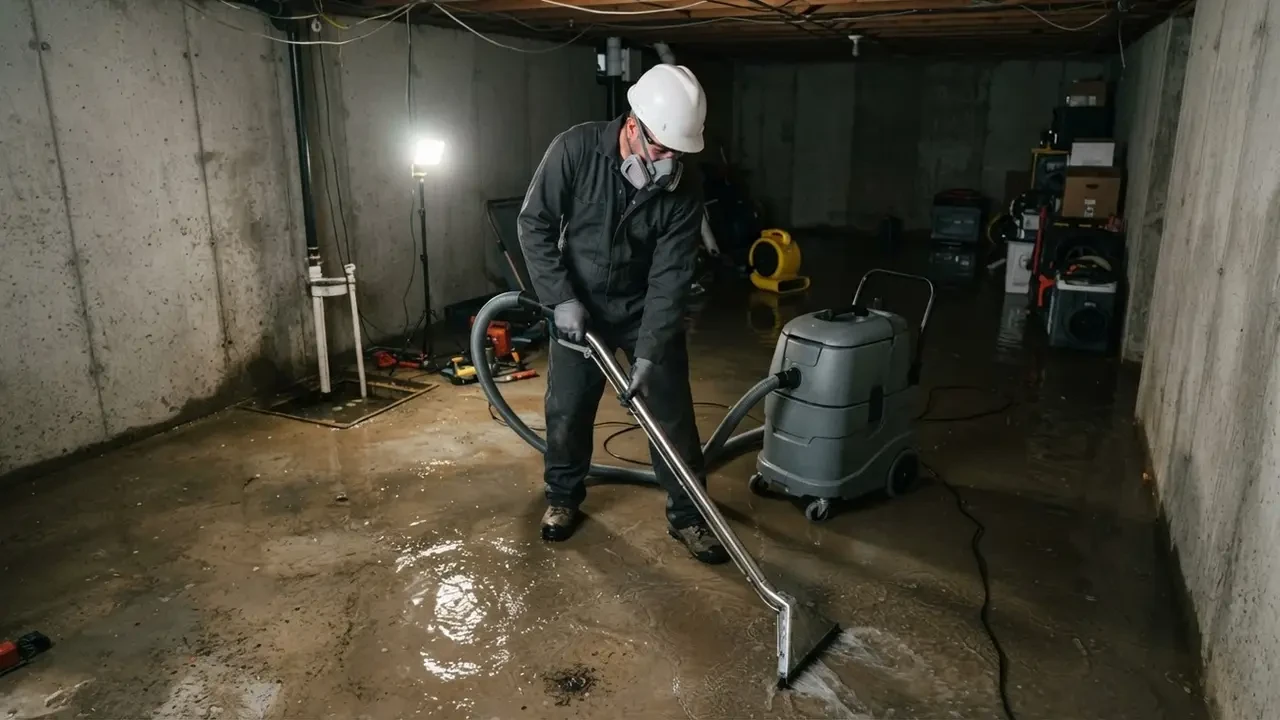
We use water extraction units to remove pooled water from floors and accessible cavities, then collect wet materials that cannot be dried in place. A small room with shallow water may take a few hours to extract; larger or multi-room losses require more time. We protect pathways and keep you updated while work is underway.

We position industrial air movers and dehumidifiers to move moisture out of framing, drywall, and flooring. Technicians take and record readings at least once per day during active drying, adjusting equipment as conditions change. Many contained losses take about three to five days to dry, while extensive saturation can take longer.

After readings confirm that affected materials have reached suitable dry conditions, we outline the remaining repair work. Depending on the loss, this can include replacing drywall, insulation, or damaged flooring and removing residual odors. We review the completed work with you and provide the moisture documentation gathered during the project.

Water damage restoration in Smyrna : restoration technician using a professional-grade water extractor to remove standing
STEP 01Inspect and document

We walk through the affected rooms with you, identify active leaks and electrical or structural concerns, and photograph visible damage. Moisture readings establish a baseline for walls, floors, and ceilings. This first visit also identifies where water traveled, so we can plan access points and prioritize the rooms that need immediate attention.

Tools & methods

Tools and Drying Methods

01
✓

Moisture Meters

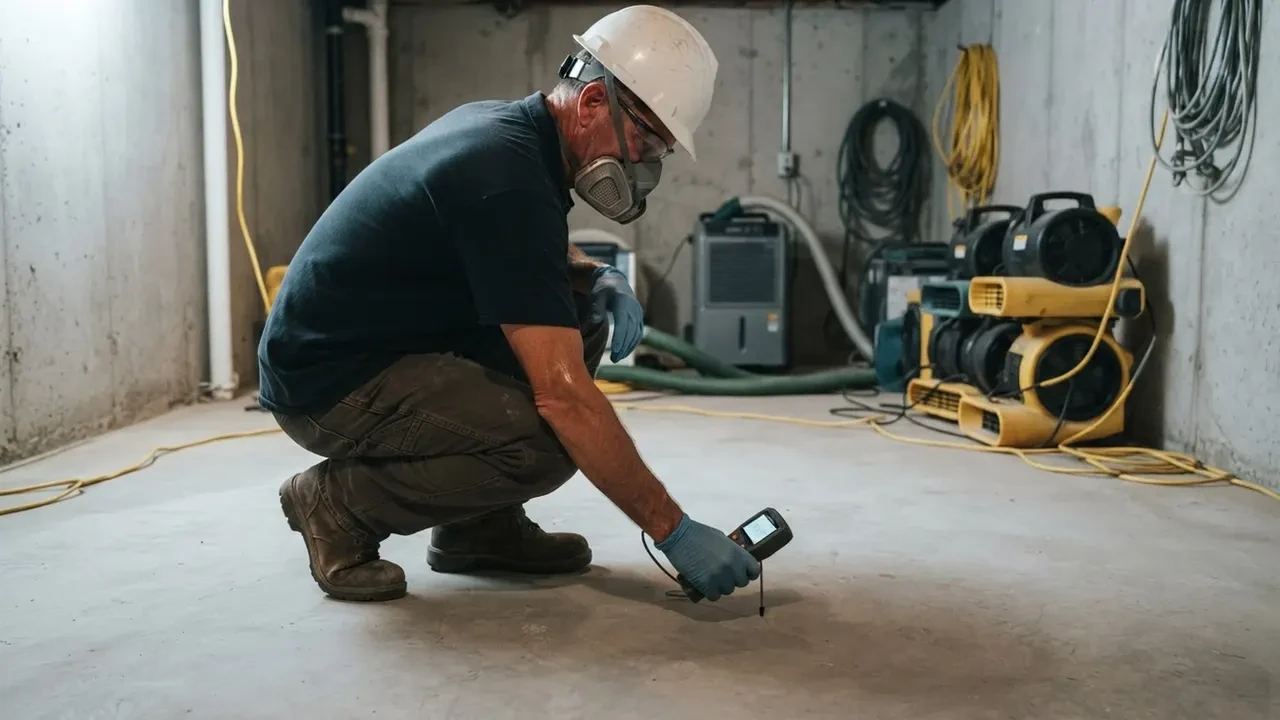
We use moisture meters to compare affected materials with dry areas and track whether framing, drywall, or flooring is releasing moisture during the job.

02
✓

Thermal Imaging Cameras

Thermal imaging cameras help identify temperature patterns that can point to damp areas behind finishes. We confirm findings with direct moisture measurements before deciding on access or drying.

03
✓

Industrial Air Movers

Industrial air movers direct airflow across wet surfaces and exposed cavities. We adjust their placement as the dry-out progresses and keep pathways clear for occupants.

04
✓

Dehumidifiers

Dehumidifiers pull water vapor from the air as moisture leaves building materials. We monitor indoor humidity and material readings to guide equipment operation and drying decisions.

05
✓

Water Extraction Units

Water extraction units remove standing water from floors and accessible surfaces before structural drying. Removing pooled water early limits further absorption into nearby materials.

06
✓

Xactimate

Xactimate is used to organize itemized restoration details where appropriate. We document the work and affected materials so you have useful information for discussions with your insurance carrier.

Real results

Before and After.

Water damage restoration in Smyrna : detail shot of a clean, dry concrete basement floor after water damage restoration
Storm Damage Restoration

Bedroom Ceiling Leak Recovery

Rain entered through a damaged roof section and left a ceiling stain above a bedroom. The carpet edge felt damp, but water had also reached insulation and the upper wall. The homeowner had moved furniture away from the drip but could not tell how far the moisture had traveled.

After: We documented the room, addressed the immediate entry concern, and removed wet ceiling material that could not be retained. Drying equipment ran for four days, with readings checked daily. The affected cavity was dry enough for repair, and the room moved forward with a defined ceiling and finish plan.

Book this service →
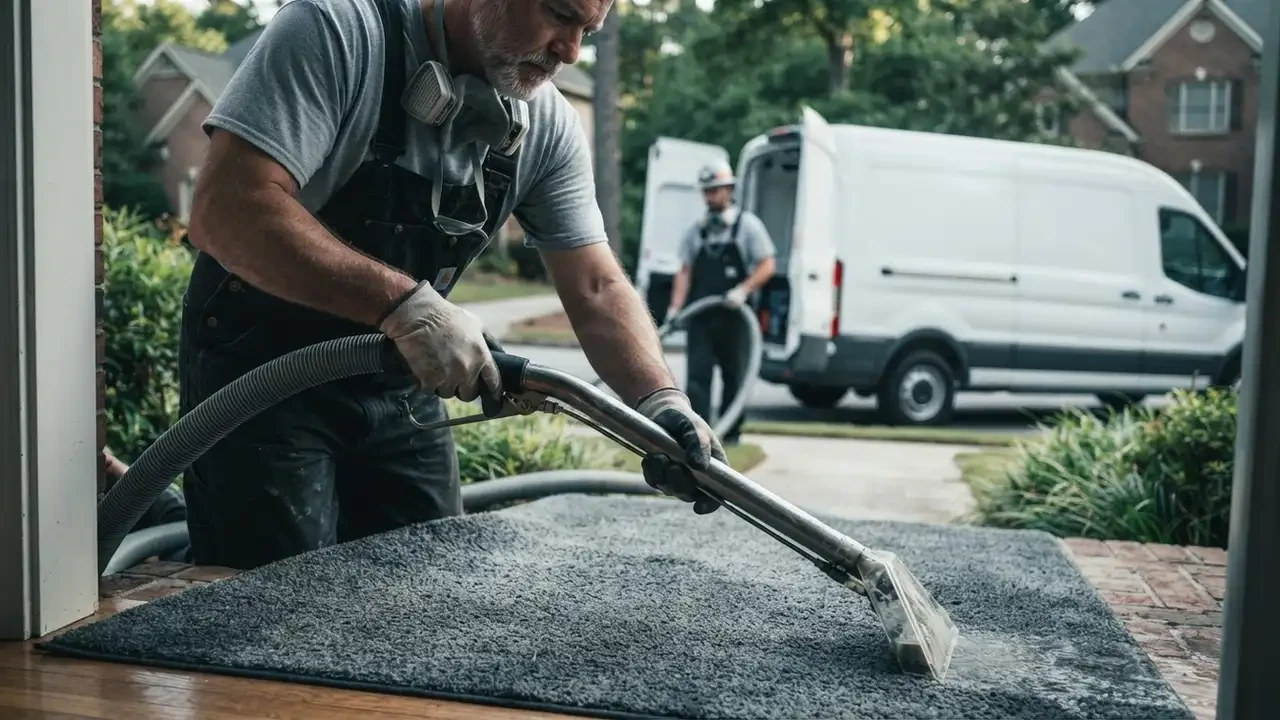
Water damage restoration in Smyrna : team of restoration technicians unloading heavy-duty water extraction equipment from a
Storm Damage Restoration

Basement Runoff Cleanup

Storm runoff entered a basement and left about two inches of water across part of the floor. Carpet padding, cardboard boxes, and the lower edge of drywall were wet. The room smelled damp, and stored items made it difficult to see where water had spread.

After: We removed pooled water, moved contents for assessment, and checked the lower walls and flooring. Air movers and dehumidifiers supported a five-day drying period, monitored with moisture readings. The homeowner had a clear list of items to clean, discard, or repair before using the basement again.

Book this service →
Water damage restoration in Smyrna : Close-up of a powerful industrial air mover positioned to dry a section of wet hardwood
Storm Damage Restoration

Wind-Driven Rain on Hardwood

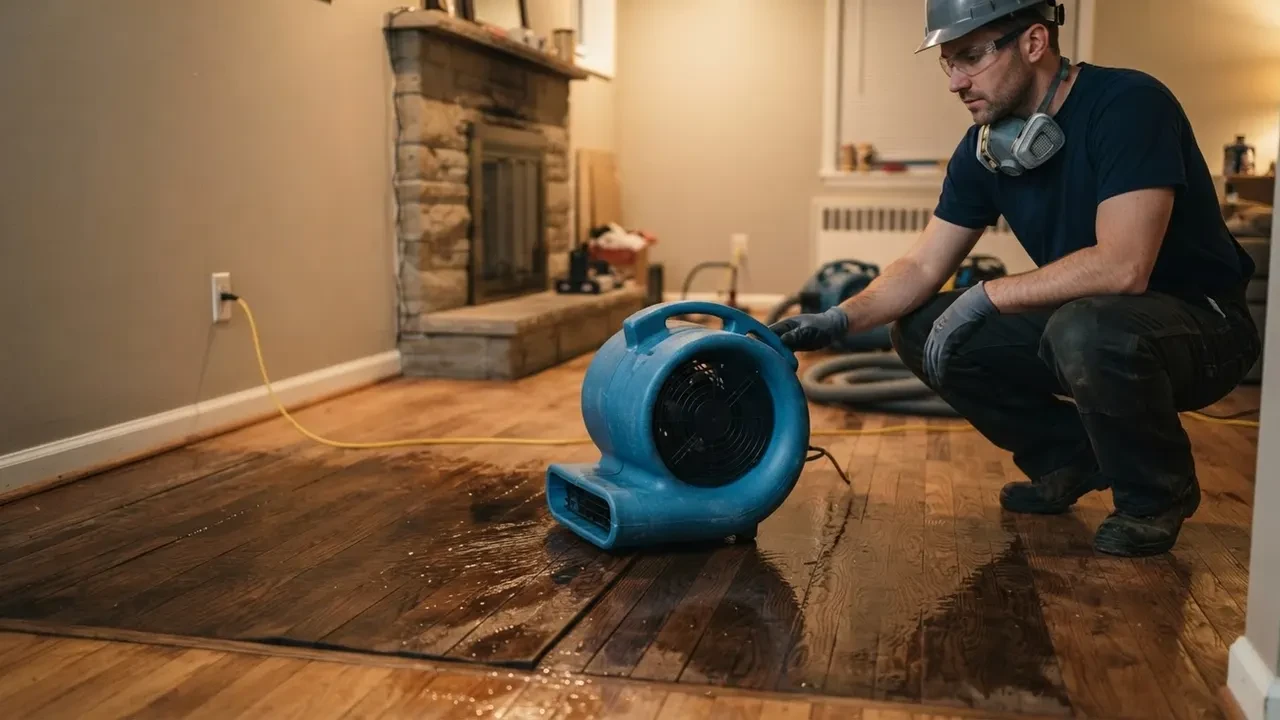
A storm damaged a window and pushed rain onto hardwood flooring in a Smyrna living room. Water reached the baseboard and spread across roughly 120 square feet. The finish looked dull in places, while the subfloor condition was unknown.

After: After the opening was secured, we extracted surface water and checked the hardwood and nearby wall with moisture meters. Controlled drying continued for four days, with readings used to assess the floor. The room was then ready for a flooring decision based on measured condition rather than appearance alone.

Book this service →
Problems we solve

Problems Solved After Smyrna Storms

Storm damage restoration Smyrna GA addresses more than visible puddles. Rain can travel through a roof opening, collect in insulation, and stain a ceiling days later; wind can also push water through vulnerable windows and doors. If you need same-day storm damage restoration Smyrna GA, call with the location of the leak and the rooms affected so we can prioritize the response.

Ask a pro →
01

Ceiling Stains and Dripping After Wind-Driven Rain

We check whether water is still entering, inspect the ceiling and accessible cavity, and measure affected materials. We remove unsalvageable drywall or insulation when needed, dry the remaining structure, and plan finish repairs only after readings support the next step.

↗
02

Basement Floors Flooded by Heavy Storm Runoff

We extract pooled water, assess the floor and lower walls, and separate contents for cleaning or disposal. Dehumidifiers and air movers support drying, while repeated moisture checks show whether the basement is ready for repairs or needs additional attention.

↗
03

Wet Hardwood or Carpet After a Roof Opening

We trace the water path and inspect flooring, padding, and nearby walls. Extraction and controlled drying come first; then we determine whether flooring can be retained or needs replacement. We document the condition so you can understand the repair decision.

↗
04

Hidden Moisture Behind Walls and Trim

We use moisture meters and thermal imaging to locate areas for closer inspection, then confirm readings at the material. Where drying in place is appropriate, we monitor it; where materials cannot be recovered, we explain the access and removal needed before rebuilding.

↗
Proof you can check

Standards and Service Proof

  • IICRC Water Damage Restoration Technician · Institute of Inspection, Cleaning and Restoration Certification
  • IICRC Applied Structural Drying · Institute of Inspection, Cleaning and Restoration Certification
  • IICRC Applied Microbial Remediation Technician · Institute of Inspection, Cleaning and Restoration Certification
Good questions

Storm Restoration Questions, Answered

(833) 546-4116 →

Small, contained cleanup jobs often vary while multi-room water damage can vary. The price in this area depends on water volume, affected materials, access, drying time, and reconstruction. We identify the work required and provide upfront pricing before proceeding. Insurance coverage and deductibles vary by policy, so keep photos and damage records for your carrier.

Homeowners insurance often covers sudden storm-related damage, but coverage depends on your policy, cause of loss, exclusions, and deductible. Report the damage promptly, photograph affected rooms, and keep receipts for emergency actions. We document visible damage and restoration work to support your claim discussion. Your insurer makes the coverage decision, and gradual leaks or deferred maintenance may be treated differently from sudden storm damage.

A contained water loss often needs three to five days of active drying, while full repairs can take one to several weeks. The schedule depends on how much water entered, whether drywall or insulation needs removal, and material availability. We monitor moisture readings during drying and explain when reconstruction can begin. Roof repairs and insurance decisions can affect the overall calendar even after the interior is dry.

Smyrna Water Damage Company handles emergency storm damage cleanup in Smyrna, including extraction, structural drying, and repair coordination. Call (833) 546-4116 and tell us whether water is still entering, which rooms are wet, and whether anyone is at risk. For storm damage repair near me Smyrna searches, our team can discuss the immediate next step and whether the site needs urgent water removal.

Ready when you are

Call for Storm Damage Restoration Smyrna GA

Stop water from spreading through your home or business. Our team documents the damage, removes standing water, and tracks drying with measured readings. Call Smyrna Water Damage Company at (833) 546-4116 to discuss the storm damage and arrange the next step.

Call for help (833) 546-4116 →
Request an appointment

Contact Our Team

Call (833) 546-4116 for help with a leak, flooded room, sewage backup, or mold concern in Smyrna. Calls are accepted around the clock for urgent restoration requests, and we connect you with independent companies serving the area. Share your neighborhood or ZIP code, the water source, and whether the damage is still active so we can direct your request.

Request received — our team will be in touch shortly.
↗
Emergency?Call now