Find the source, clear the odor, restore comfortable rooms

Odor Removal and Deodorization Smyrna GA

Odor removal and deodorization Smyrna GA helps homeowners and property managers eliminate persistent smells after leaks, flooding, sewage backups, or mold growth. We inspect affected materials, locate trapped moisture, and match treatment to the odor source instead of masking it. If a room still smells musty after cleanup, our Smyrna team can trace the cause and plan the next practical step.

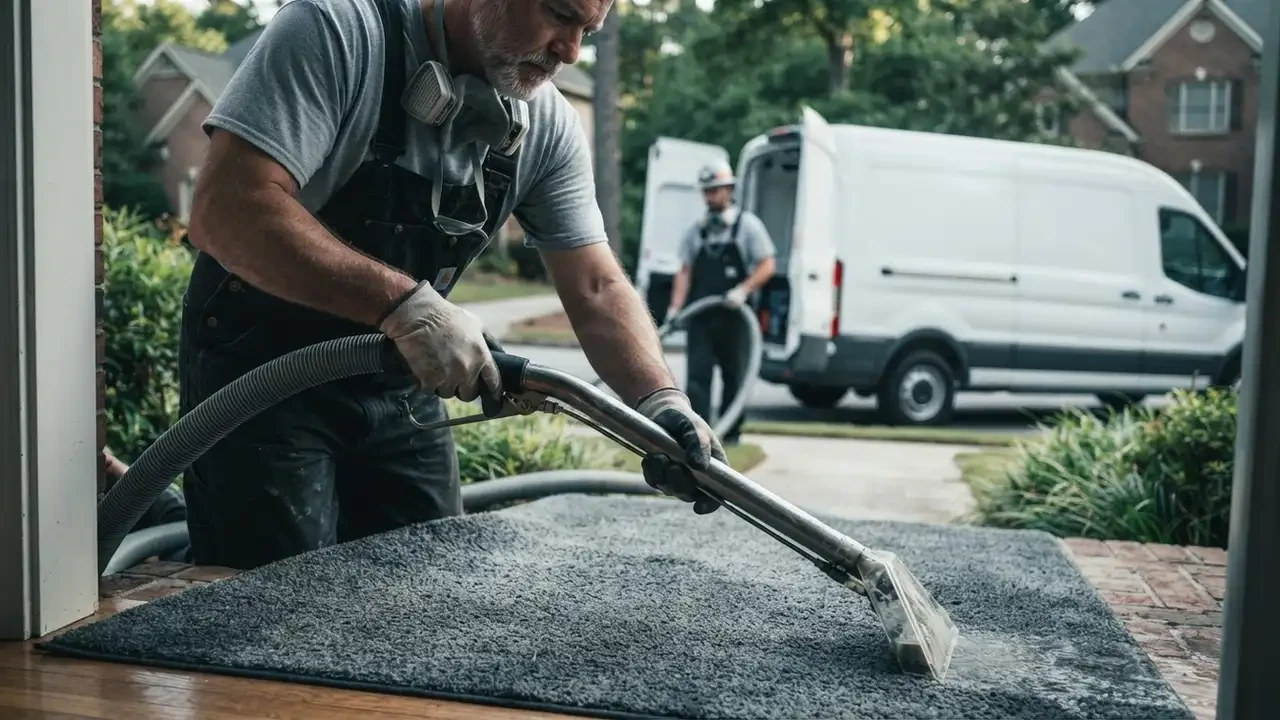
Water damage restoration in Smyrna : team of restoration technicians unloading heavy-duty water extraction equipment from a
Careful work. Honest options.
About this service

Odor Removal and Deodorization Smyrna GA

Odor removal and deodorization Smyrna GA is a restoration service that identifies and treats odor sources left by water intrusion, contamination, or microbial growth. We inspect the affected rooms, check building materials for retained moisture, remove unsalvageable porous items when needed, and apply suitable cleaning and deodorizing methods. A fragrance alone does not solve an odor embedded in carpet padding, drywall, or insulation. Our approach starts with the source, then addresses the material and air so the smell does not return as soon as the room is closed.

Smyrna homes and commercial spaces can hold odors after a pipe burst, roof leak, basement flooding, or sewage backup, especially when damp materials remain behind a finished surface. In Cobb County, humid weather can slow drying and intensify a musty smell in carpet, closets, and crawl spaces. Our Smyrna odor removal and deodorization work pairs odor treatment with moisture checks; if you are searching for odor removal and deodorization Smyrna GA near me, we can assess the source before selecting a method.

  • ✓ Treat the source first
  • ✓ Protect salvageable contents
  • ✓ Dry materials with purpose
  • ✓ Restore usable indoor space
What's included

What Odor Service Includes

Our service begins with identifying the odor source and the materials affected, then pairs cleaning with drying or deodorizing where appropriate. We handle water-related odors, musty smells, and residual odors after suitable cleanup. Structural repairs, replacement of unsalvageable materials, and unrelated plumbing or HVAC repairs are separate work when required; we explain those needs as part of the plan.

01
✓

Odor Source Inspection

We inspect affected rooms, nearby surfaces, and likely moisture pathways. Questions about when the odor began help narrow down a leak, backup, or damp material. Moisture checks guide whether the job needs cleaning alone, drying, or removal of a material holding the smell.

02
✓

Surface and Contents Cleaning

We clean suitable hard surfaces and affected contents using methods selected for their material and the source of the odor. Porous belongings are evaluated individually. Items that cannot be cleaned effectively are identified so they do not reintroduce odor after the room is treated.

03
✓

Moisture Control and Drying

When water is feeding the smell, we use drying equipment and take follow-up readings in affected materials. Drying may continue after active odor treatment, especially under flooring or inside a wall cavity. We explain what the readings show and whether further work is needed.

04
✓

Targeted Deodorizing Treatment

After source cleanup, we apply a compatible deodorizing method to affected surfaces or the room. Treatment is selected for the odor and material rather than used as a blanket fragrance. We check the area afterward and explain any remaining source that needs repair.

How it works

What Happens During Service

We ask when the odor began, what cleanup has already happened, and whether the smell changes with rain, heat, or HVAC use. Then we inspect affected rooms and adjoining areas, using moisture meters and visual checks to locate damp materials. This first visit often takes 30 to 90 minutes for a defined residential area.

Once we identify the likely source, we explain what needs cleaning, drying, isolation, or removal. We distinguish water-related odor from sewage contamination or an odor that appears to come from a drain or appliance. You receive a straightforward work sequence and upfront pricing before treatment starts.

Our team removes loose debris and cleans suitable surfaces with methods matched to the material and contamination. Carpet, sealed flooring, masonry, and contents each need different handling. We use antimicrobial solutions only where appropriate; they do not replace physical cleaning or removal of material that cannot be restored.

We position air movers and dehumidifiers to support drying, then apply a compatible deodorizing treatment to the affected area or contents. Equipment placement is based on room layout and material readings, not simply on the strongest available setting. A small room may need several hours of active treatment and additional time to dry.

We revisit moisture readings, inspect treated surfaces, and check whether the odor has reduced under normal room conditions. If a hidden leak, saturated insulation, or contaminated material remains, we explain the next repair step instead of declaring the job done. You leave knowing what was addressed and what still needs attention.

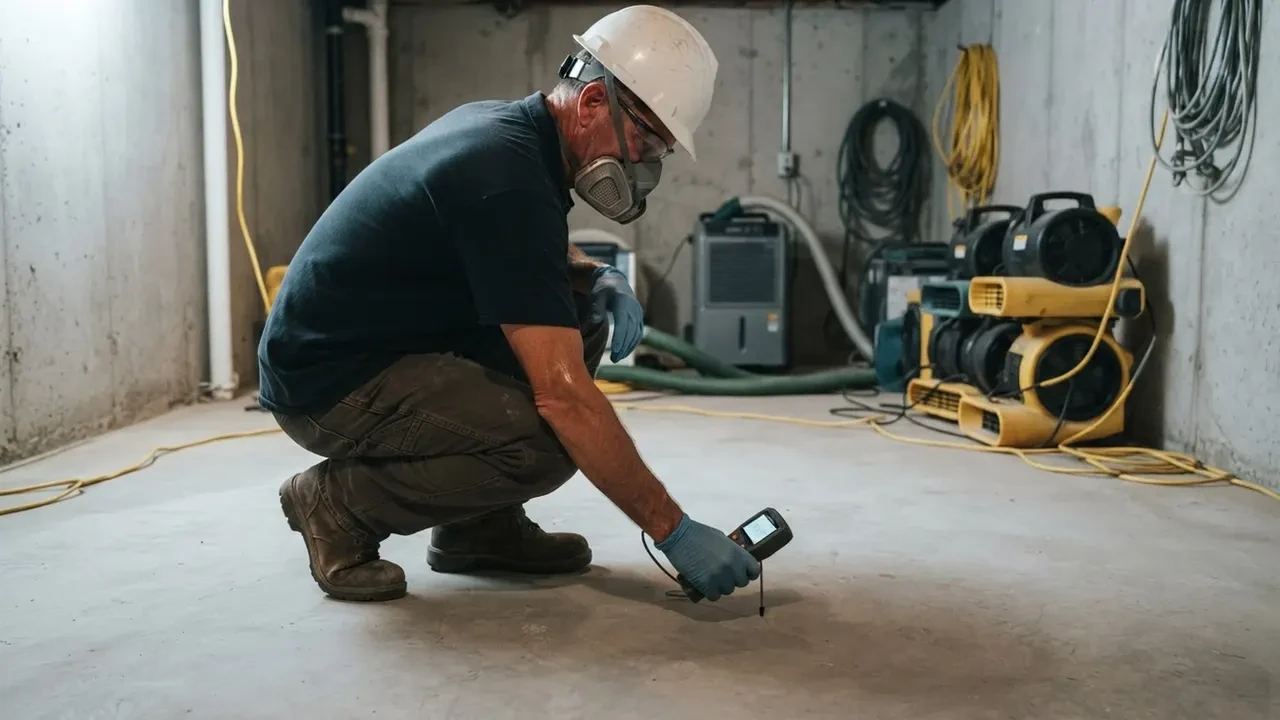
Water damage restoration in Smyrna : detail shot of a clean, dry concrete basement floor after water damage restoration
STEP 01Inspect and locate

We ask when the odor began, what cleanup has already happened, and whether the smell changes with rain, heat, or HVAC use. Then we inspect affected rooms and adjoining areas, using moisture meters and visual checks to locate damp materials. This first visit often takes 30 to 90 minutes for a defined residential area.

Tools & methods

Tools and Treatment Methods

01
✓

Moisture Meters

We take direct readings in accessible materials to see whether drywall, flooring, or framing remains wet. Repeat readings help track drying and guide the timing of deodorizing work.

02
✓

Thermal Imaging Cameras

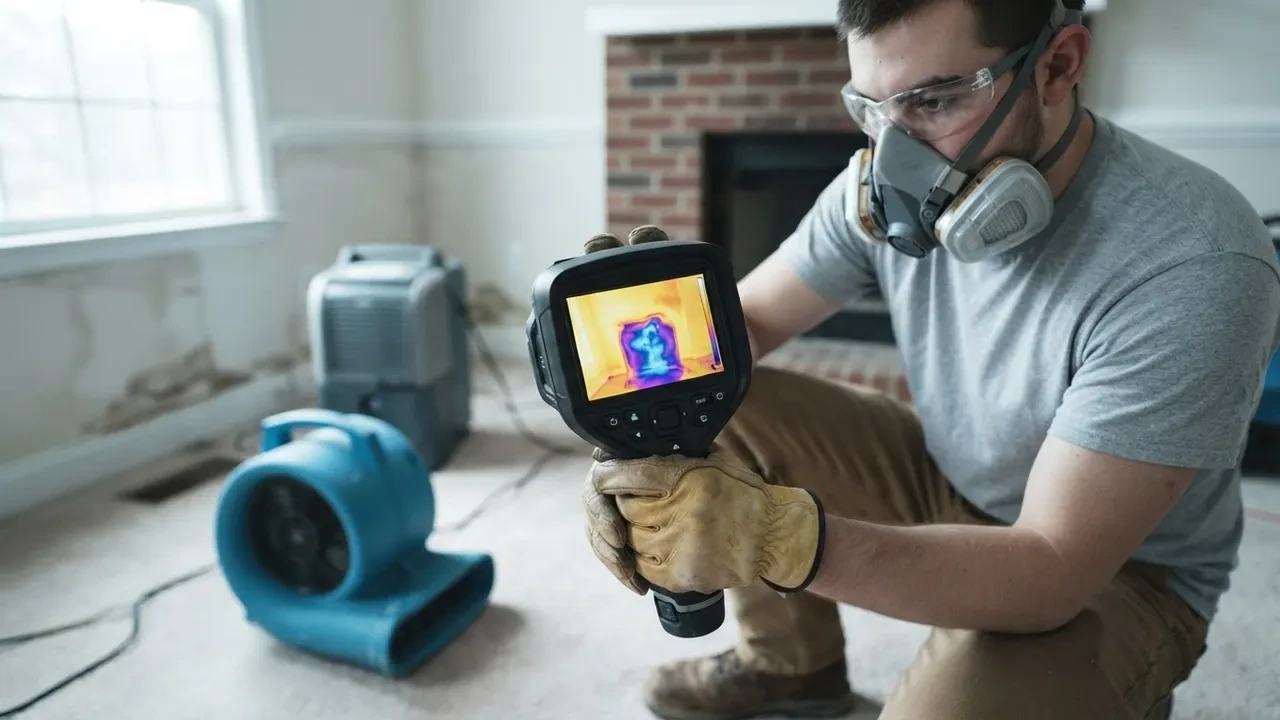
We use thermal patterns to investigate areas that may differ from surrounding surfaces. Imaging helps direct further inspection; it does not replace moisture readings or confirm a leak by itself.

03
✓

Industrial Air Movers

Air movers direct airflow across wet surfaces and support evaporation during structural drying. We position them to serve the affected materials while avoiding unnecessary disturbance of contents.

04
✓

Dehumidifiers

Dehumidifiers remove moisture released into room air as materials dry. We monitor conditions and adjust placement as needed so drying supports odor control rather than simply masking the smell.

05
✓

Antimicrobial Solutions

When the source and material warrant it, we apply an appropriate antimicrobial product to suitable surfaces after cleaning. Product choice follows the affected material and contamination conditions.

Real results

Before and After.

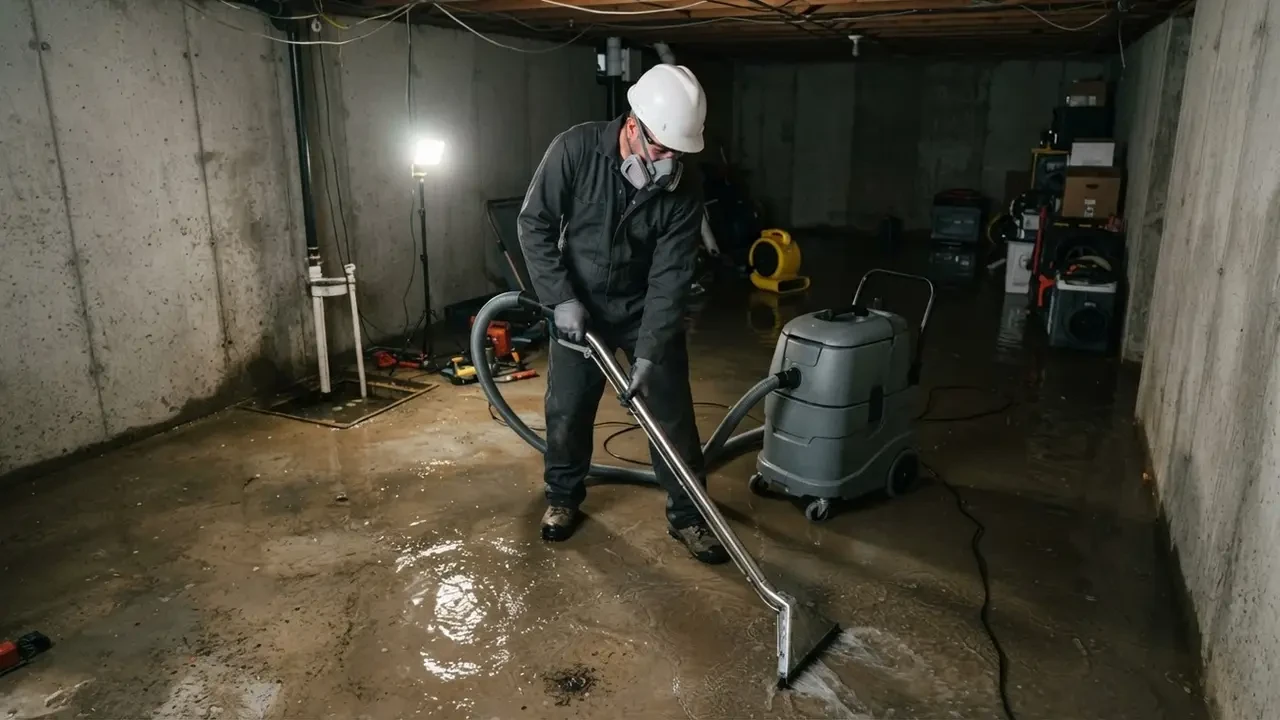
Water damage restoration in Smyrna : restoration technician using a professional-grade water extractor to remove standing
Odor Removal and Deodorization

Kitchen Leak Odor Cleared

A slow supply-line leak left the cabinet base and nearby flooring damp. The kitchen smelled sour after visible water was wiped away, and the odor returned whenever the cabinet stayed closed. The homeowner could not tell whether the smell came from the sink, flooring, or wall edge.

After: We checked the cabinet base and flooring, removed damaged porous material, and dried the affected area with targeted airflow and dehumidification. Follow-up readings showed the materials moving toward dry conditions over the next two days. After surface cleaning and deodorizing, the sour odor was no longer noticeable during the final room check.

Book this service →
Water damage restoration in Smyrna : Close-up of a thermal imaging camera display showing a clear, colorful temperature
Odor Removal and Deodorization

Basement Mustiness After Rain

After heavy rain, a basement had a persistent earthy odor near stored boxes and the lower wall. The floor looked mostly dry, but cardboard and fabric items smelled damp. A quick air freshener only made the odor stronger and did not address the moisture.

After: We separated affected contents, checked the lower wall and floor edges, and dried the area with air movers and a dehumidifier. We cleaned suitable surfaces and treated the remaining odor after moisture checks supported the next step. The basement was ready for normal use after approximately three days of drying and follow-up.

Book this service →
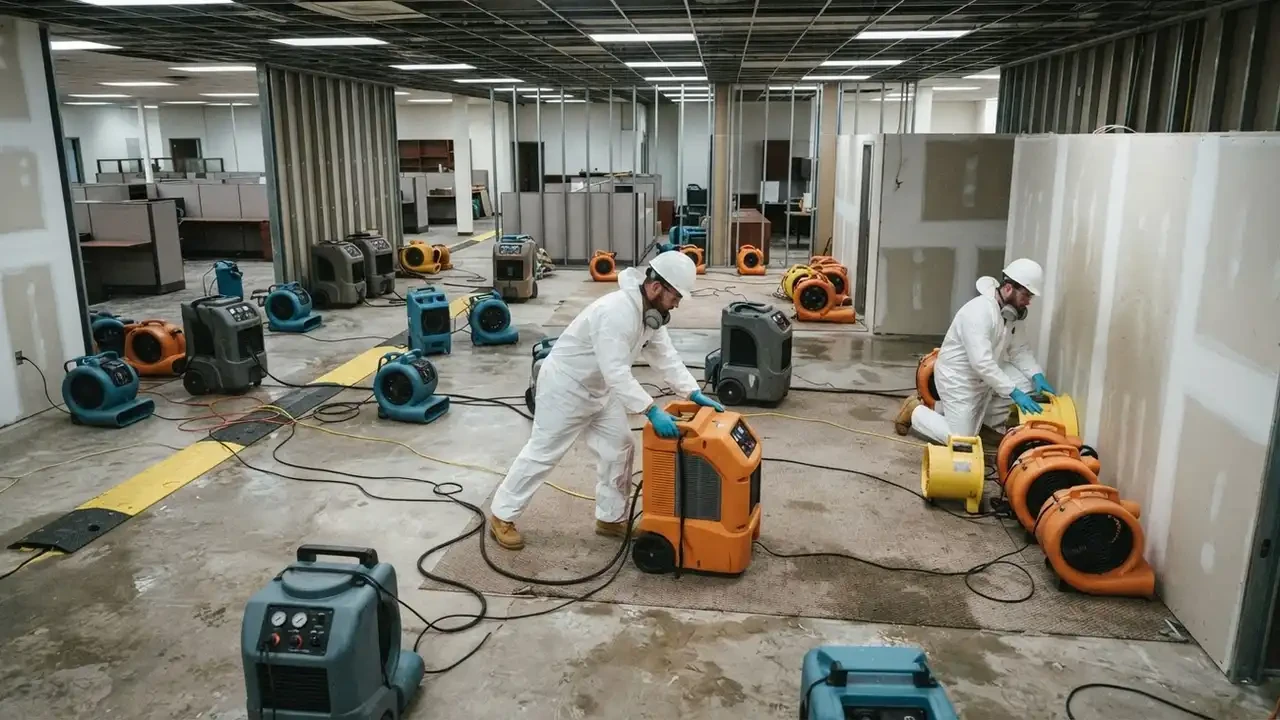
Water damage restoration in Smyrna : aerial view inside a large commercial office space, showing multiple industrial
Odor Removal and Deodorization

Sewage Backup Room Restored

A drain backup left a strong sewage smell in a ground-floor room and nearby hallway. Visible waste had been cleared, but odor remained around the flooring and baseboards. The property manager needed the contamination handled before repairs and turnover could proceed.

After: We isolated the affected room, removed porous materials that could not be restored, and cleaned suitable surfaces before deodorizing. We also inspected the hallway edge for odor migration. The strong smell was substantially reduced after cleanup, with repair needs identified before the room returned to use.

Book this service →
Problems we solve

Problems Solved by Smyrna Odor Service

Persistent odor often points to a specific source: damp material, contamination, or a leak that has not been fully addressed. Our team investigates the room and treats the cause, not just the air. If you are searching for odor removal and deodorization Smyrna GA near me, we can help assess what is driving the smell.

Ask a pro →
01

A Musty Smell Returns After the Carpet Appears Dry

We inspect carpet edges and nearby flooring, take moisture readings, and determine whether the assembly can be dried or needs partial removal. Then we clean suitable surfaces, dry the affected area, and apply deodorizing treatment after addressing the source. You will know whether the odor came from the carpet, padding, or something below it.

↗
02

A Sewage Odor Lingers After a Drain Backup Cleanup

We isolate the affected area, remove unsalvageable porous materials, and clean recoverable surfaces using appropriate contamination-control practices. We check nearby floor edges and baseboards for migration before deodorizing. This sequence helps avoid covering a sanitation problem with fragrance and identifies any repair work still needed.

↗
03

A Small Ceiling Stain Hides a Larger Roof Leak Odor

We inspect around the stain and check accessible materials for moisture. Where readings or visible damage indicate trapped water, we arrange drying or removal before treating remaining surfaces. After the leak is corrected, we recheck the affected area and explain whether ceiling repair is needed.

↗
Proof you can check

Training and Work Standards

  • IICRC Water Restoration Technician · Institute of Inspection, Cleaning and Restoration Certification
  • IICRC Applied Structural Drying · Institute of Inspection, Cleaning and Restoration Certification
  • IICRC Applied Microbial Remediation Technician · Institute of Inspection, Cleaning and Restoration Certification
  • OSHA 10 Construction Safety · Occupational Safety and Health Administration
Good questions

Odor Removal Questions, Answered

(833) 546-4116 →

a localized odor-treatment job often varies while larger or contaminated areas can vary. Price depends on the odor source, room size, affected materials, cleaning needs, and drying time. We inspect the area and explain upfront pricing before work begins. If the odor comes from sewage or hidden water damage, source cleanup or material removal can add to the total.

Insurance may cover odor treatment when it is part of a covered water-loss cleanup, but coverage depends on your policy and the cause of damage. A sudden pipe burst is handled differently from long-term seepage or deferred maintenance. We document visible conditions, moisture readings, and work performed so you have useful information for your claim. Your insurer makes the coverage decision, and we can coordinate service details with your claim process.

A single-room treatment often takes 2 to 6 hours, while drying and follow-up can extend the work to 1 to 3 days. Sewage contamination, wet insulation, or odor inside a wall can take longer because materials may need removal and replacement. We check moisture readings rather than relying on elapsed time alone. Before we finish, we explain what has been treated and whether another visit is needed.

Smyrna Water Damage Company handles water-related odor removal for homes and businesses in Smyrna and nearby Cobb County communities. We inspect the source, clean affected surfaces, and connect deodorization with drying or material removal when needed. For odor removal near me Smyrna searches, call (833) 546-4116 and describe when the smell began, what area is affected, and whether water or sewage was involved.

Ready when you are

Call for Odor Removal in Smyrna GA

Tell us where the odor is strongest and when it started; we will help identify the right next step. Our team handles water-related odor cleanup across Smyrna and Cobb County. Call (833) 546-4116 for 24/7 emergency response.

Call Our Team (833) 546-4116 →
Request an appointment

Contact Our Team

Call (833) 546-4116 for help with a leak, flooded room, sewage backup, or mold concern in Smyrna. Calls are accepted around the clock for urgent restoration requests, and we connect you with independent companies serving the area. Share your neighborhood or ZIP code, the water source, and whether the damage is still active so we can direct your request.

Request received — our team will be in touch shortly.
↗
Emergency?Call now