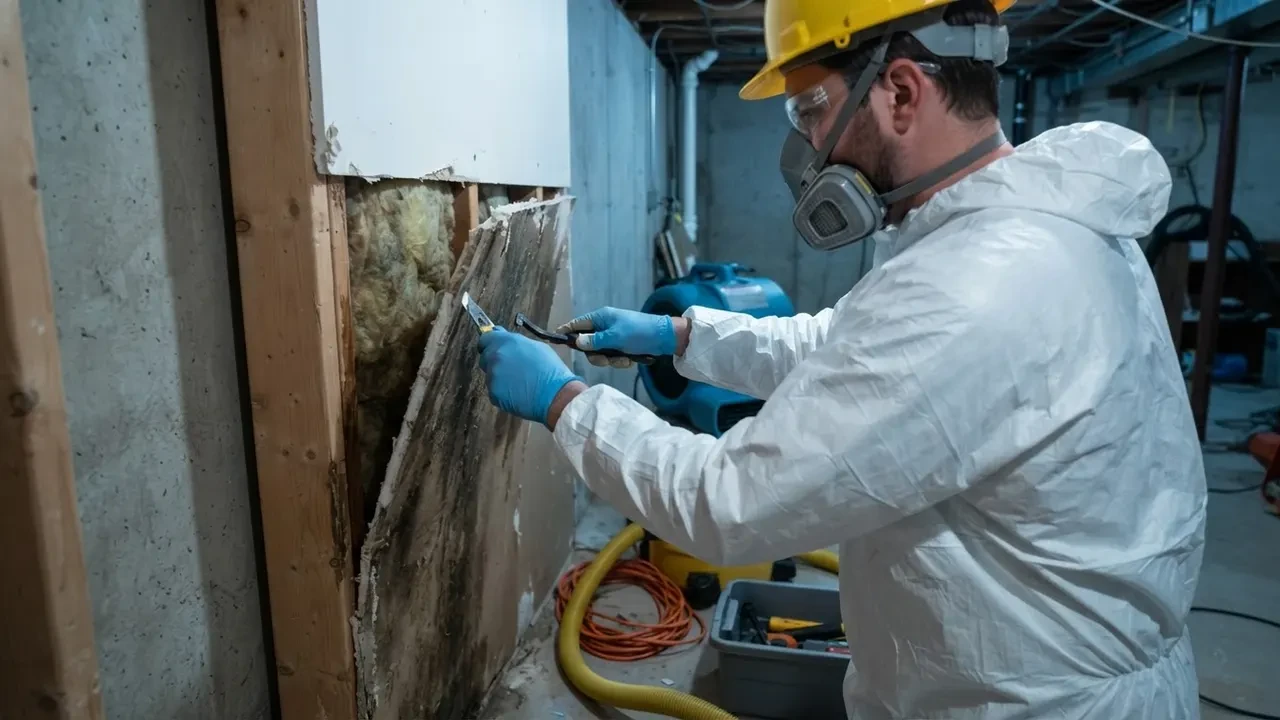
We remove standing water and protect your home

Basement Water Removal Smyrna GA for a Dry Basement

Basement water removal Smyrna GA helps homeowners and property managers dealing with flooding, a burst pipe, or water entering through a foundation wall. We locate the source when accessible, extract water, and check affected materials so you can act before damp drywall, carpet padding, or stored belongings deteriorate. Call Smyrna Water Damage Company at (833) 546-4116 for help in Smyrna, Georgia.

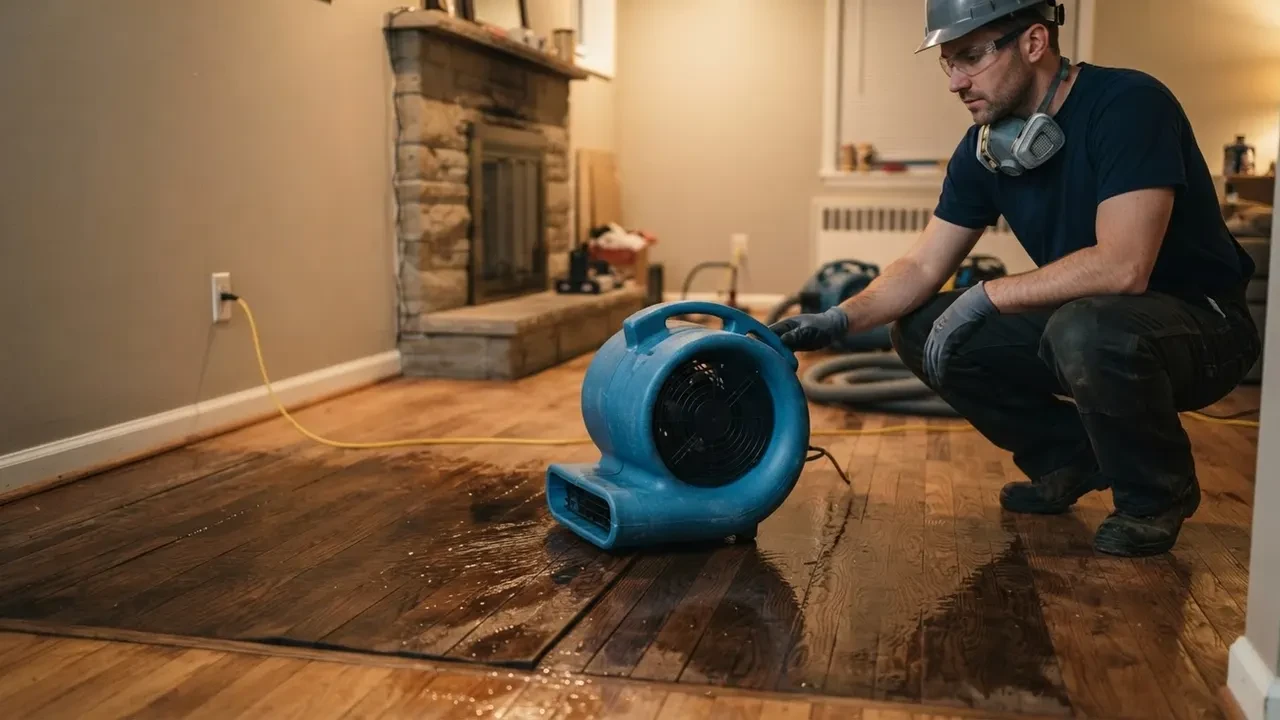
Water damage restoration in Smyrna : Close-up of a powerful industrial air mover positioned to dry a section of wet hardwood
Careful work. Honest options.
About this service

Basement Water Removal Smyrna GA: the Work

Basement water removal Smyrna GA is an emergency cleanup service that extracts standing water and supports drying after a basement leak or flood. We first identify the water source and check for electrical hazards, then remove accessible water with extraction equipment. Moisture readings help us identify wet flooring, drywall, and other materials beyond the visible puddle. From there, we set a drying plan and explain which materials need monitoring or removal. The goal is to reduce retained moisture and limit secondary damage, not simply to make the floor look dry.

Smyrna homes can take on water after pipe bursts, roof leaks, heavy rain, or a sump pump failure. Basement water extraction Smyrna GA is especially useful when water has reached carpet padding, stored items, or wall cavities. In Belmont Hills, a homeowner searching for basement water extraction in Belmont Hills Smyrna GA should shut off the water source if safe, avoid standing water near electrical equipment, and call for assessment. We document conditions and focus first on safety, source control, and water removal.

  • ✓ Standing Water Removed
  • ✓ Hidden Moisture Checked
  • ✓ Drying Plan Explained
  • ✓ Damage Documented Clearly
What's included

What Basement Water Removal Includes

Basement water removal covers an initial safety and moisture assessment, extraction of accessible standing water, and a drying setup suited to affected materials. We explain what the readings show and document conditions for next-step decisions. Plumbing repairs, extensive demolition, reconstruction, mold remediation, and replacement of damaged belongings are separate services when required; we identify those needs rather than treating them as automatic parts of extraction.

01
✓

Initial Safety Assessment

We check water depth, visible source, and access hazards before entering or placing equipment. You tell us whether the water may involve sewage or chemicals and whether power is affected. If an immediate electrical danger exists, stay out until the area is made safe.

02
✓

Standing Water Extraction

We remove accessible pooled water from basement floors and low areas with suitable extraction equipment. The equipment and time needed depend on depth, debris, and square footage. We then inspect the surface for remaining water that could be drawn out.

03
✓

Moisture Mapping

We check visible and suspect materials such as drywall, baseboards, and flooring, recording readings where accessible. This helps identify damp areas that need drying or further assessment. Thermal imaging can help locate temperature patterns, but readings guide decisions.

04
✓

Drying Equipment Setup

We place air movers and dehumidifiers to support drying in affected spaces. Equipment placement reflects the room layout and measured conditions, with access and safety kept in mind. We explain basic operation and how progress will be checked.

05
✓

Work Documentation

We record the affected areas, observed materials, and relevant moisture readings. These details support repair planning and discussions with your insurer. If the assessment points to a separate plumbing, electrical, or remediation need, we explain that next step.

How it works

What Happens During Cleanup

We begin by checking the water depth, its apparent source, and hazards such as energized outlets or contaminated water. If the basement is unsafe to enter, stay out and call emergency services for immediate danger. Once access is safe, we identify the affected rooms and discuss what you need protected first.

We look for a visible pipe leak, appliance failure, storm entry point, or drainage issue and identify whether a plumber or other trade must stop the source. A moisture meter helps establish a baseline in flooring and walls. This assessment commonly takes 30 to 60 minutes, depending on access and room size.

We use water extraction units to remove standing water from floors and accessible low spots. Extraction time depends on depth, debris, and the square footage involved; a small room may take about one to three hours, while extensive flooding takes longer. We move belongings only when safe and agreed with you.

After extraction, we place air movers and dehumidifiers to circulate air and remove moisture from the room. We check that cords and equipment do not block essential access, then explain basic operating sounds and what to expect. Drying commonly takes two to five days, with readings guiding adjustments.

We return or check in according to the drying plan, compare moisture readings, and adjust equipment as conditions change. When targeted materials reach appropriate drying goals, we review remaining repairs, such as drywall or flooring work. You receive a concise record of the work and the next steps.

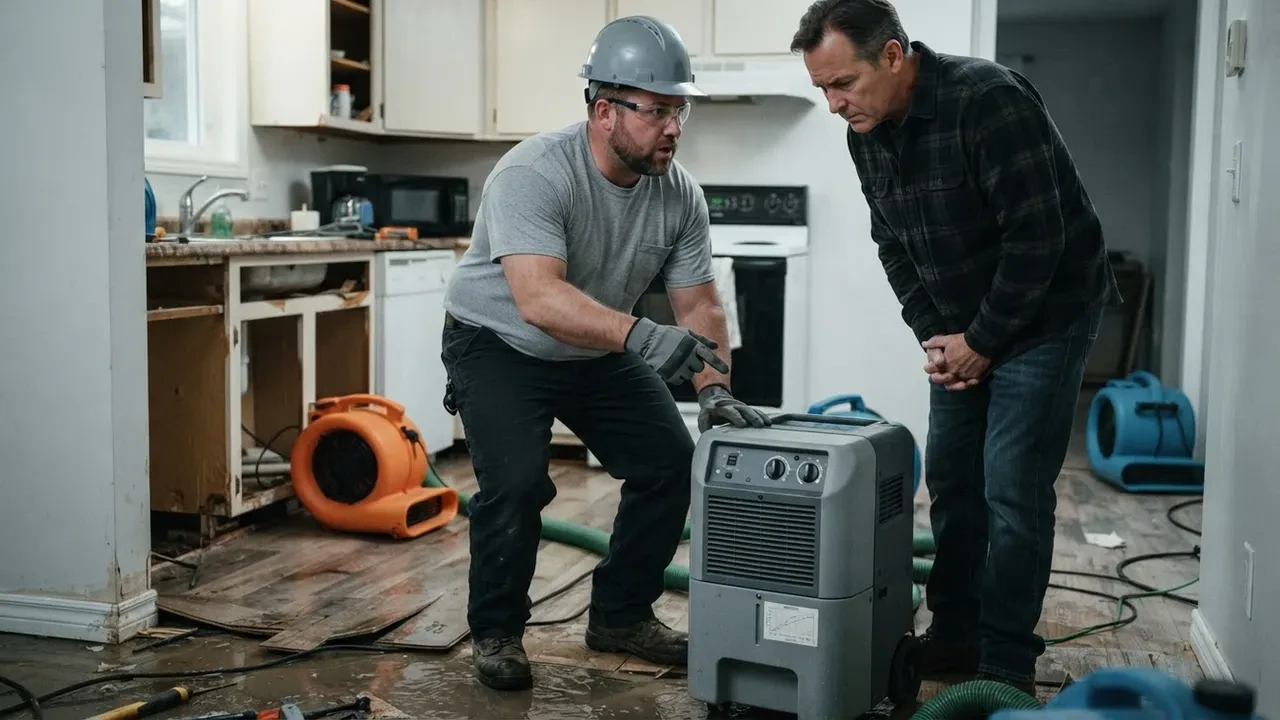
Water damage restoration in Smyrna : restoration technician explaining the drying process to a male homeowner in his
STEP 01Safety Check

We begin by checking the water depth, its apparent source, and hazards such as energized outlets or contaminated water. If the basement is unsafe to enter, stay out and call emergency services for immediate danger. Once access is safe, we identify the affected rooms and discuss what you need protected first.

Tools & methods

Equipment and Drying Methods

01
✓

Moisture Meters

We use meters to compare readings in affected drywall, flooring, and other accessible materials. The results help locate damp areas and track whether drying is progressing.

02
✓

Thermal Imaging Cameras

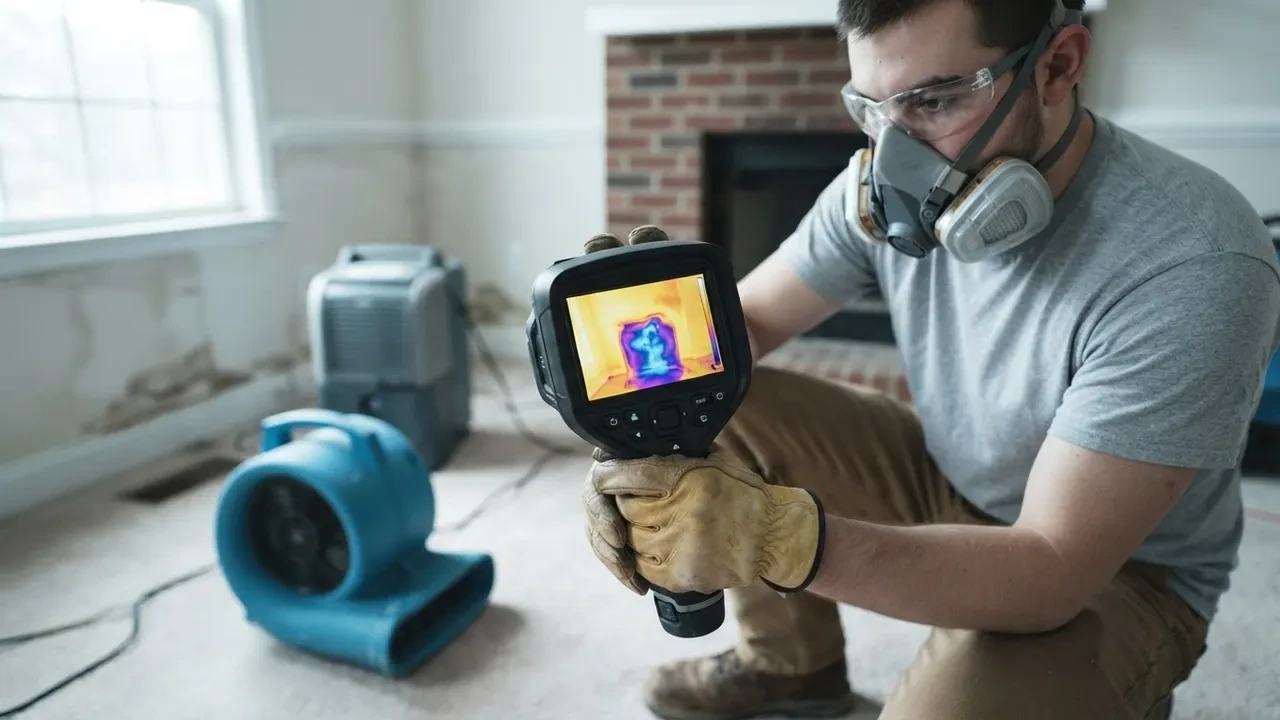
Thermal imaging can highlight temperature patterns that suggest a concealed moisture concern. We verify suspected areas with appropriate moisture checks rather than treating an image as proof by itself.

03
✓

Water Extraction Units

Extraction units remove pooled water from basement floors and accessible low spots. We select equipment based on water depth, debris, and safe access to the affected room.

04
✓

Industrial Air Movers

Air movers circulate air across wet surfaces to support evaporation after extraction. We position them to reach affected materials while keeping walkways and equipment access in mind.

05
✓

Dehumidifiers

Dehumidifiers remove moisture released into the air during structural drying. We monitor conditions and adjust the setup as wet materials dry and humidity changes.

Real results

Before and After.

Water damage restoration in Smyrna : Close-up of a thermal imaging camera display showing a clear, colorful temperature
Basement Water Removal

Pipe Leak in a Finished Room

A supply line leak left a shallow layer of water across a finished basement room. The carpet edge was saturated, baseboards felt damp, and the homeowner could not tell whether water had reached the drywall. Stored boxes were still in the room, making access difficult.

After: We extracted the pooled water, cleared a safe path, and checked the carpet edge and lower wall with moisture meters. The drying setup ran for three days, with readings reviewed during follow-up. The homeowner had a documented list of affected materials and the next repair decisions.

Book this service →
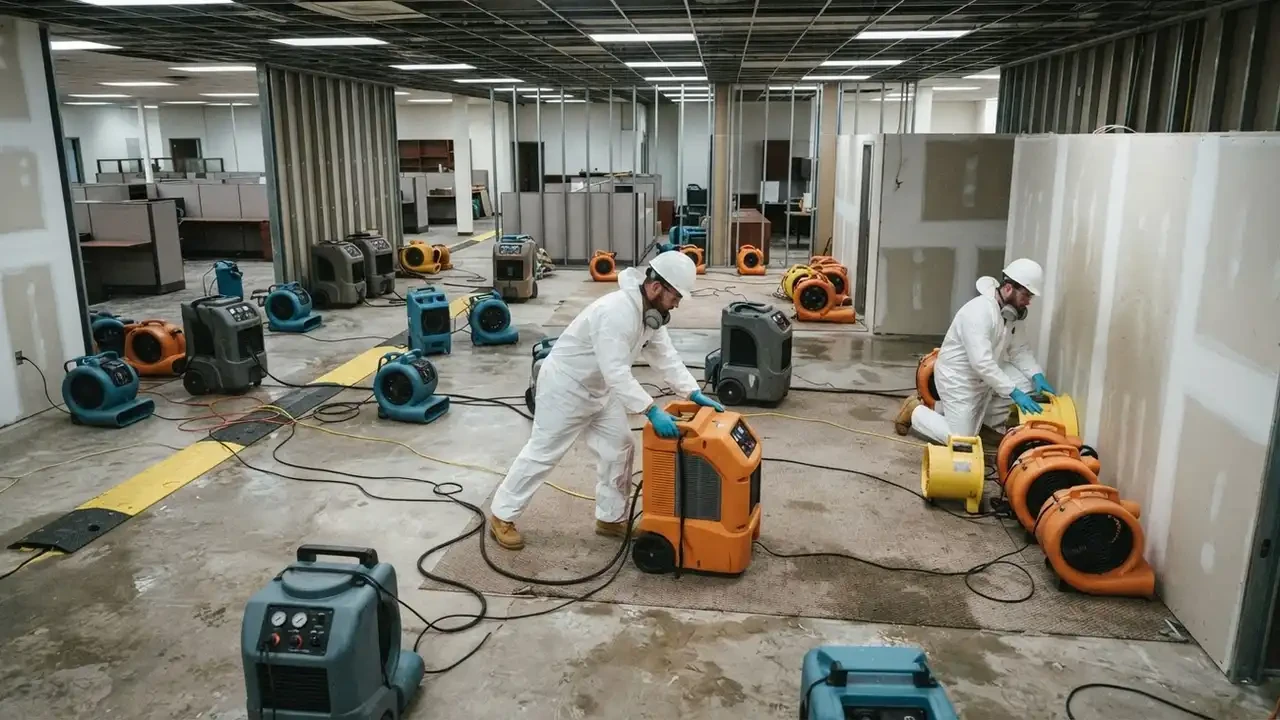
Water damage restoration in Smyrna : aerial view inside a large commercial office space, showing multiple industrial
Basement Water Removal

Rainwater at a Window Well

After a storm, rainwater collected along a basement window and spread across tile and grout. The visible puddle was small, but water had reached the edge of a nearby rug and left grit along the wall. The entry point needed attention.

After: We removed the standing water, cleaned the affected hard surface, and checked the rug edge and lower wall for retained moisture. The main floor area was dry to the touch after extraction, while follow-up readings identified one area that needed additional drying.

Book this service →
Water damage restoration in Smyrna : restoration technician in full PPE, including a respirator, carefully removing a
Basement Water Removal

Sump Pump Failure in Storage

A failed sump pump left water across a basement storage area. Several boxes sat directly on the floor, and moisture had reached the bottom of shelving. The property manager needed the room cleared without blocking access to the utility equipment.

After: We extracted standing water, documented affected contents, and positioned drying equipment around the utility access. The room was monitored over four days; readings helped confirm improvement in the floor and lower shelving area. The pump repair was handled as a separate follow-up.

Book this service →
Problems we solve

Problems Solved by Basement Water Removal

A wet basement can damage finishes, stored belongings, and building materials before the full extent is visible. Affordable basement water removal in Smyrna Georgia starts with identifying the amount and source of water, then removing it and checking what remains damp. We focus on practical steps that reduce ongoing exposure and make repair decisions more informed.

Ask a pro →
01

Water Pooling After a Burst Supply Pipe

We assess safe access, identify whether the supply is still active, and extract standing water once the source is controlled. Moisture readings help us check nearby walls and flooring. If a plumber must repair the line, we coordinate the drying sequence around that work.

↗
02

Storm Runoff Entering Through a Basement Opening

We remove accessible water and inspect the affected floor edge, nearby contents, and lower wall materials. We document signs of water entry and explain what should be dried, cleaned, or repaired. Exterior drainage or opening repairs may be needed to prevent another intrusion.

↗
03

Musty Odor After a Small Leak Went Unnoticed

We trace visible moisture patterns, use meters to check suspect materials, and address standing water if present. Drying targets the retained moisture rather than masking the smell. If inspection finds established mold growth, we explain the appropriate remediation step.

↗
04

Sewage Water Backing Up Into a Finished Basement

We treat sewage backups as contaminated losses, restrict access where needed, and use appropriate protective procedures. We assess which materials can be cleaned and which require removal. Keep children and pets out of the area until it has been addressed.

↗
Proof you can check

Training and Work Standards

  • Water Restoration Technician · Institute of Inspection, Cleaning and Restoration Certification
  • Applied Structural Drying · Institute of Inspection, Cleaning and Restoration Certification
  • Applied Microbial Remediation Technician · Institute of Inspection, Cleaning and Restoration Certification
Good questions

Basement Water Removal Questions

(833) 546-4116 →

A limited extraction job may vary while extensive drying and demolition can be higher for larger losses. The price depends on water depth, affected square footage, contamination, access, and how many days equipment is needed. We assess the conditions and explain pricing upfront before work proceeds. Repairs to drywall, flooring, or plumbing are separate from basic extraction and drying.

Repeated flooding usually points to an unresolved source, such as poor surface drainage, a failed sump pump, a foundation opening, or a recurring plumbing leak. We inspect visible conditions and moisture patterns to help narrow down where water enters. A basement water removal service addresses the current water; drainage correction, plumbing repair, or sump-pump work may be needed to prevent another event.

Water extraction often takes one to four hours for a contained room, while larger or debris-filled floods can take a full day. Drying commonly continues for two to five days after standing water is removed. We base the schedule on room size, material type, humidity, and moisture readings. Basement water extraction Smyrna GA is complete only when the affected materials meet the drying goals in the plan.

Smyrna Water Damage Company handles emergency basement water removal near you in Smyrna; call (833) 546-4116 to describe the water source and immediate hazards. We serve Smyrna and nearby parts of Cobb County. If water is near electrical equipment, stay out and contact emergency services or the utility provider as appropriate. For a burst pipe, shut off the supply only if you can reach the valve safely.

Ready when you are

Call for Basement Water Removal Smyrna GA

Tell us where the water is, how deep it is, and whether the source is still active. Our team will help you take the next safe step and arrange basement water removal. Call (833) 546-4116; IICRC-trained technicians support our water-restoration work.

Call for Help (833) 546-4116 →
Request an appointment

Contact Our Team

Call (833) 546-4116 for help with a leak, flooded room, sewage backup, or mold concern in Smyrna. Calls are accepted around the clock for urgent restoration requests, and we connect you with independent companies serving the area. Share your neighborhood or ZIP code, the water source, and whether the damage is still active so we can direct your request.

Request received — our team will be in touch shortly.
↗
Emergency?Call now