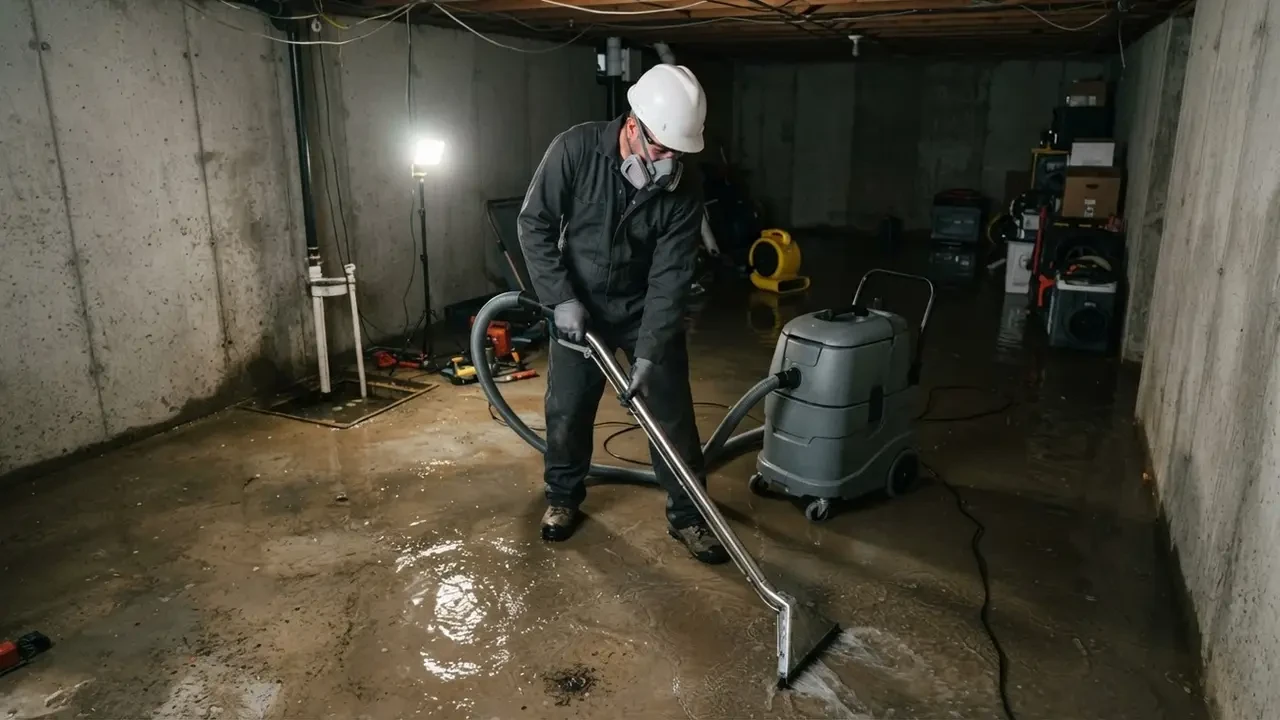
Sump pump installation and repair Smyrna GA helps homeowners and property managers protect basements and crawl spaces from standing water. We inspect the basin, pump, float switch, discharge line, and power supply, then repair the fault or install equipment sized to your drainage needs. If heavy November rain, a pipe burst, or a failed pump has put water near finished flooring, call us at (833) 546-4116.
Sump pump installation and repair Smyrna GA is a drainage service that removes groundwater from a collection basin to help prevent basement and crawl space flooding. We check pump capacity, basin depth, float operation, check valve, discharge routing, and electrical connection before recommending a repair or replacement. A useful test includes adding water to the pit and watching the pump cycle through at least one complete start-and-stop sequence. We also look for discharge restrictions and signs that water is returning toward the foundation.
In Smyrna, saturated ground after prolonged rain, a failed float switch, or a blocked discharge line can leave a basement vulnerable even when the pump runs. Our sump pump installation and repair services in Smyrna Georgia address the equipment and the water path, not just the visible puddle. If you are searching for sump pump installation and repair Smyrna GA near me, we can inspect the system, explain the fault in plain language, and help limit damage to drywall, carpet padding, and stored belongings.
Our service covers inspection, diagnosis, agreed repair or installation, and a live operational test. We check the basin and discharge path along with the pump itself, because a working motor cannot protect your home if water cannot leave the system. If water has already spread, extraction or drying can be coordinated as additional restoration work based on the affected rooms and materials.
01
✓
Pump and Basin Inspection
We inspect the pump housing, intake, basin condition, float movement, and visible electrical connection. The review helps identify a stuck switch, debris, unusual wear, or a basin that is not collecting water as expected. We explain the observed problem before recommending the next step.
02
✓
Repair or Replacement
Depending on the fault, we clean an accessible obstruction, correct a component issue, or install a replacement pump. Selection accounts for the water inflow, lift height, and discharge route. We do not treat a replacement as automatic when a specific repair can restore proper operation.
03
✓
Discharge Route Check
We check the check valve, piping, and accessible outlet for blockage, leakage, or signs of water returning toward the basin. A restricted or poorly functioning discharge can make a good pump appear defective. Correct routing helps move collected water away from the foundation.
04
✓
Operational Water Test
We test the float and pump using water in the basin, confirming that the unit starts, drains, and stops. We listen for abnormal vibration and observe discharge flow. You can watch the completed cycle and see how the system behaves before we finish.
05
✓
Moisture Impact Check
When an overflow has wet nearby flooring or walls, we check affected materials and explain whether drying should follow. Moisture meters help identify dampness that a surface glance can miss. Additional extraction, dehumidification, or material repair is based on the actual water impact.
How it works
What to Expect During Service
We begin by checking the basin, pump housing, float switch, check valve, power connection, and discharge piping. We ask when the problem began and whether the pump has been cycling, humming, or staying silent. A standard inspection often takes 30 to 60 minutes, depending on access and water conditions.
Our technician separates electrical, mechanical, and drainage faults by testing the float movement and watching the basin level. We look for a clogged intake, a stuck valve, a damaged cord, or water returning through the discharge. You see the issue as we explain it, so the repair recommendation connects to an observed fault.
We identify whether cleaning, a component repair, discharge correction, or a full pump replacement best fits the condition. If installation is needed, we review pump capacity, basin fit, and discharge routing with you. We give upfront pricing before the selected work begins, with the amount tied to the repair and site conditions.
For a repair, we replace or correct the failed component and clear accessible obstructions. For a new unit, we set it securely, connect the discharge, and confirm the check valve direction. Most straightforward repairs take one to three hours; a replacement often takes two to four hours when access is clear.
We add water to verify that the float starts the pump, the basin drains, and the unit shuts off at the proper level. We listen for abnormal vibration and check the discharge outlet for flow. Before we finish, we show you the test and review simple monthly checks you can do yourself.
STEP 01Inspect the System
We begin by checking the basin, pump housing, float switch, check valve, power connection, and discharge piping. We ask when the problem began and whether the pump has been cycling, humming, or staying silent. A standard inspection often takes 30 to 60 minutes, depending on access and water conditions.
Tools & methods
Tools and Testing Methods
01
✓
Moisture Meters
We use moisture meters to check flooring, drywall, and other materials near an overflow. Readings help determine whether visible water has left dampness behind and whether additional drying is needed.
02
✓
Thermal Imaging Cameras
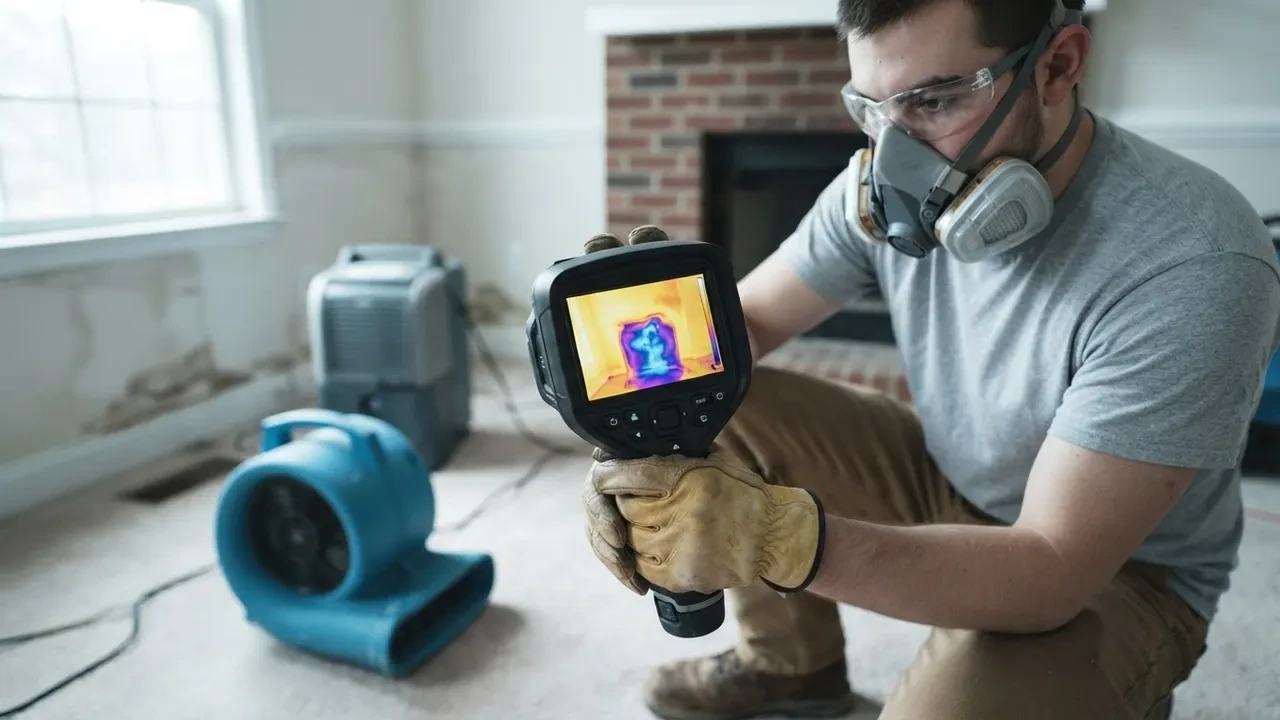
Thermal imaging cameras help identify temperature patterns that can point to concealed moisture around a basement wall or floor. We use the image to guide closer inspection, not as a substitute for confirming moisture.
03
✓
Water Extraction Units
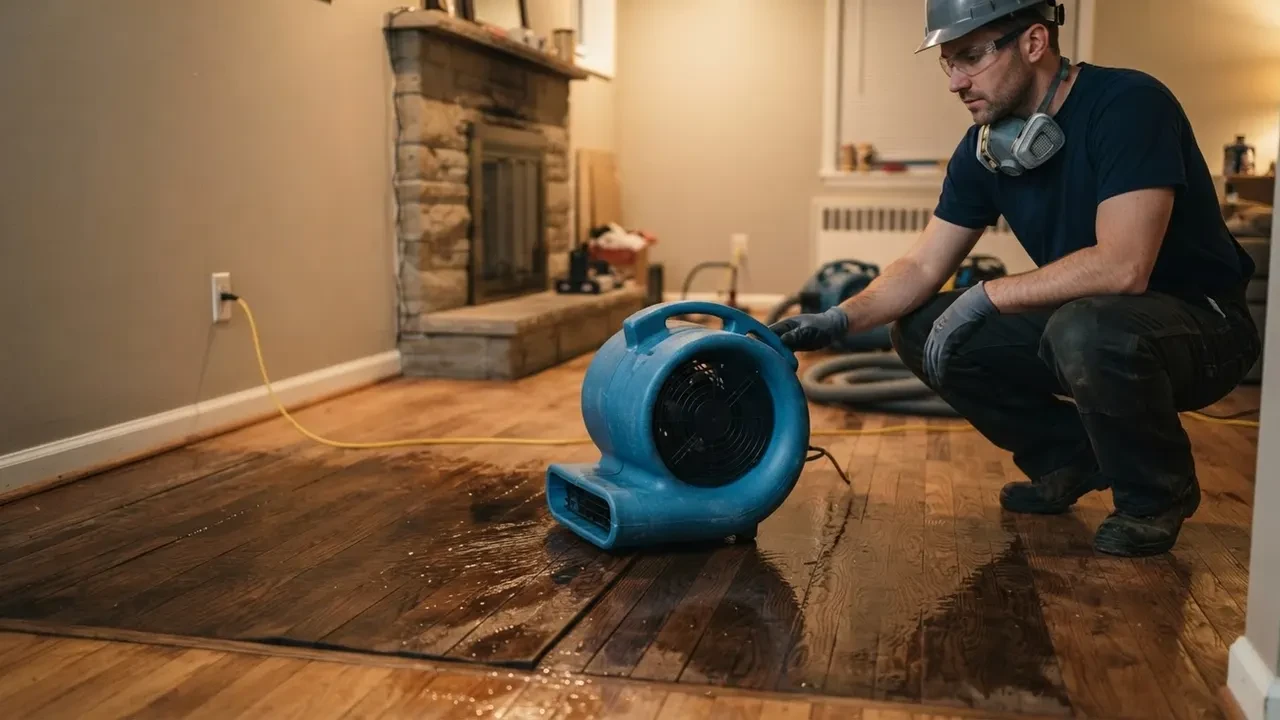
Water extraction units remove standing water after an overflow has reached the floor. Clearing surface water lets us inspect affected materials and begin appropriate drying while the pump problem is corrected.
04
✓
Dehumidifiers
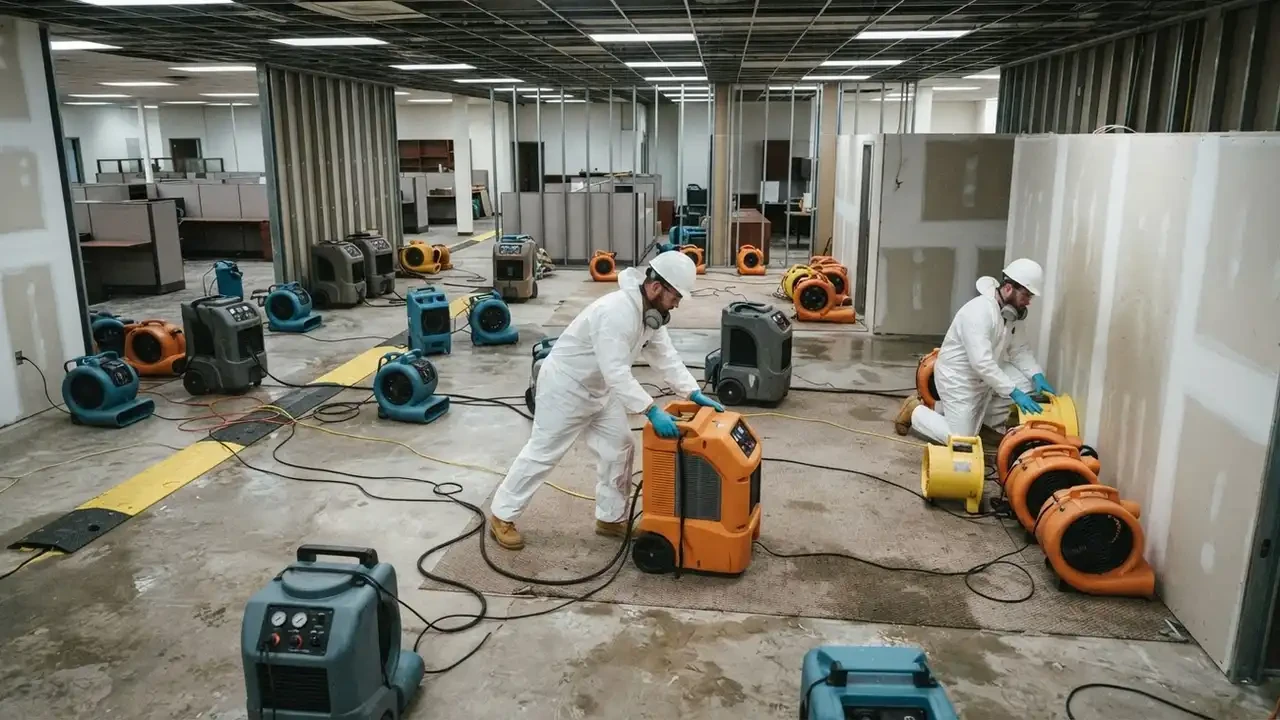
Dehumidifiers remove moisture from basement air during a controlled drying plan. We use them when water intrusion has raised indoor humidity and monitor conditions alongside affected building materials.
05
✓
Hygrometers
Hygrometers measure relative humidity in the room, helping us understand whether the basement air remains damp after extraction. Readings support decisions about continued dehumidification.
Real results
Before and After.
Sump Pump Installation and Repair
Stopping Repeated Pump Cycling
A homeowner near Downtown Smyrna reported a pump that started every few minutes after rain. Water appeared to leave the basin, then returned, and the motor kept cycling. The homeowner worried the pump was undersized, but the visible behavior suggested the discharge path needed closer inspection.
After: We found a check-valve problem and corrected it, then tested the basin through three start-and-stop cycles. The water discharged without returning to the pit, and the pump shut off after each cycle. The homeowner could hear the difference and saw the water level remain down.
At a home in Belmont Hills, the pump motor still worked but the float stuck below the trigger point. Water rose in the basin while the pump remained idle, and a small amount reached the basement floor before the homeowner noticed.
After: We cleared the float's movement area, replaced the faulty switch, and ran a water test. The pump started as the water rose, drained the basin, and shut off at the tested level. We also checked the nearby floor for moisture and explained what to watch during monthly checks.
A property on the Spring Road corridor had an aging pump that struggled to clear water during extended rainfall. The unit ran for long periods, and the owner had no clear record of its capacity or the condition of the discharge line.
After: We reviewed the basin, lift, and discharge route before installing a replacement suited to the setup. A water test confirmed discharge flow and normal shutoff, with the basin cleared in under two minutes during the test. The owner received a practical monthly inspection routine.
A failed pump can leave water rising faster than you can remove it with a household wet vacuum. Our repair work targets the mechanical or drainage fault, then checks whether water reached nearby materials. For homeowners seeking affordable sump pump installation and repair in Smyrna Georgia, we explain repair-versus-replacement options based on the equipment condition.
The Pump Hums but the Basin Water Level Does Not Drop
We test the unit while observing the basin level, then check accessible intake areas and the discharge path. If the impeller is obstructed, we clear the issue where practical; if the motor has failed, we explain replacement options. We finish with a water test to confirm the basin drains and the pump shuts off.
↗02
The Pump Starts Repeatedly After Water Flows Back Into the Pit
We inspect the check valve and visible discharge piping, confirm the direction of flow, and correct the fault when accessible. Then we run the pump through a complete cycle and watch for return flow. This targets the repeated cycling rather than treating each start as a separate failure.
↗03
The Float Switch Sticks and Fails to Trigger the Pump
We check float movement, basin clearance, and switch response under water. We remove accessible obstructions or replace a faulty component as appropriate, then verify that the pump starts at the rising water level. You see the test and learn what clear space the float needs.
↗04
Rainwater Reaches Stored Items Before the Pump Clears the Basin
We address the pump or discharge fault first, then assess the water that reached the room. If needed, we extract standing water and use moisture checks to guide drying. That order helps protect the cleanup work from another overflow caused by an unresolved pump problem.
↗
Proof you can check
Training and Service Standards
IICRC Water Damage Restoration Technician · Institute of Inspection, Cleaning and Restoration Certification
IICRC Applied Structural Drying · Institute of Inspection, Cleaning and Restoration Certification
IICRC Applied Microbial Remediation Technician · Institute of Inspection, Cleaning and Restoration Certification
a straightforward repair often varies while a new pump installation commonly varies. The final price depends on pump capacity, basin condition, electrical needs, discharge routing, and access. We inspect the system, explain the work, and provide upfront pricing before starting. Water extraction or structural drying after an overflow is a separate restoration need based on the affected area.
Most sump pump repairs take one to three hours; a straightforward replacement often takes two to four hours. A clogged intake or float switch may be resolved more quickly, while difficult access, a damaged basin, or a long discharge run adds time. We test the pump through a full water cycle before finishing, so you can see that it starts, drains, and shuts off as intended.
Home insurance usually does not pay to repair a worn-out pump, but coverage for resulting water damage depends on your policy and the cause. Sudden accidental water damage may be treated differently from groundwater seepage or deferred maintenance. We can document visible conditions and provide service details for your claim file. Review your policy or contact your insurer to confirm the coverage that applies to your property.
Smyrna Water Damage Company handles sump pump installation and repair for homes and properties across Smyrna, Georgia. We inspect the basin, inflow, discharge route, and electrical setup, then test the completed work. For a same-day sump pump installation and repair Smyrna GA, call (833) 546-4116 and describe the pump symptoms, any standing water, and whether the system has power.
If your pump is silent, cycling without stopping, or leaving water in the basement, call Smyrna Water Damage Company at (833) 546-4116. Our team checks the pump and discharge, explains the repair, and tests operation before wrapping up.
Call (833) 546-4116 for help with a leak, flooded room, sewage backup, or mold concern in Smyrna. Calls are accepted around the clock for urgent restoration requests, and we connect you with independent companies serving the area. Share your neighborhood or ZIP code, the water source, and whether the damage is still active so we can direct your request.