Stop the leak, remove water, and protect your home
Pipe Burst Water Damage Repair Smyrna GA
pipe burst water damage repair Smyrna GA helps homeowners and property managers limit damage after a supply line, drain, or appliance connection fails. We locate affected materials, remove standing water, and set a drying plan before moisture spreads beneath flooring or behind drywall. If a pipe has just split, shut off the nearest safe valve and call us; our burst pipe repair Smyrna GA service addresses the wet building materials as well as the immediate mess.
pipe burst water damage repair Smyrna GA is a water mitigation service that removes water and dries building materials after a plumbing line breaks. We first identify the affected rooms and determine whether the leak is active, then extract standing water and measure moisture in flooring, drywall, and nearby framing. Where needed, we coordinate with a plumber for the pipe repair while our team handles cleanup and structural drying. The aim is a documented, controlled drying process rather than covering damp materials or relying on household fans.
Smyrna homes and businesses call after a laundry hose splits, a water heater connection fails, or a concealed line leaks into a wall or ceiling. A small surface puddle can hide wet carpet padding or insulation, so we map the affected area instead of judging by appearance alone. Our Smyrna pipe burst water damage repair team serves Cobb County, including homes near Spring Road and Windy Hill. If water is still entering, 24/7 burst pipe repair in Smyrna GA starts with stopping the source and protecting people from electrical hazards.
Pipe burst service covers the water-damage response: assessment, extraction, drying setup, progress checks, and documentation of affected materials. We coordinate with the plumbing professional who repairs the failed line. Drying and mitigation are distinct from rebuilding finishes; if drywall, cabinets, or flooring need replacement, we identify those repairs after the area is assessed and dried.
01
✓
Water Source Assessment
We identify where water is visible, check whether it is still entering, and note immediate safety concerns. If the pipe remains active, we explain the need to shut off the appropriate supply and coordinate plumbing repair. Source control comes before drying equipment can protect the building.
02
✓
Water Extraction
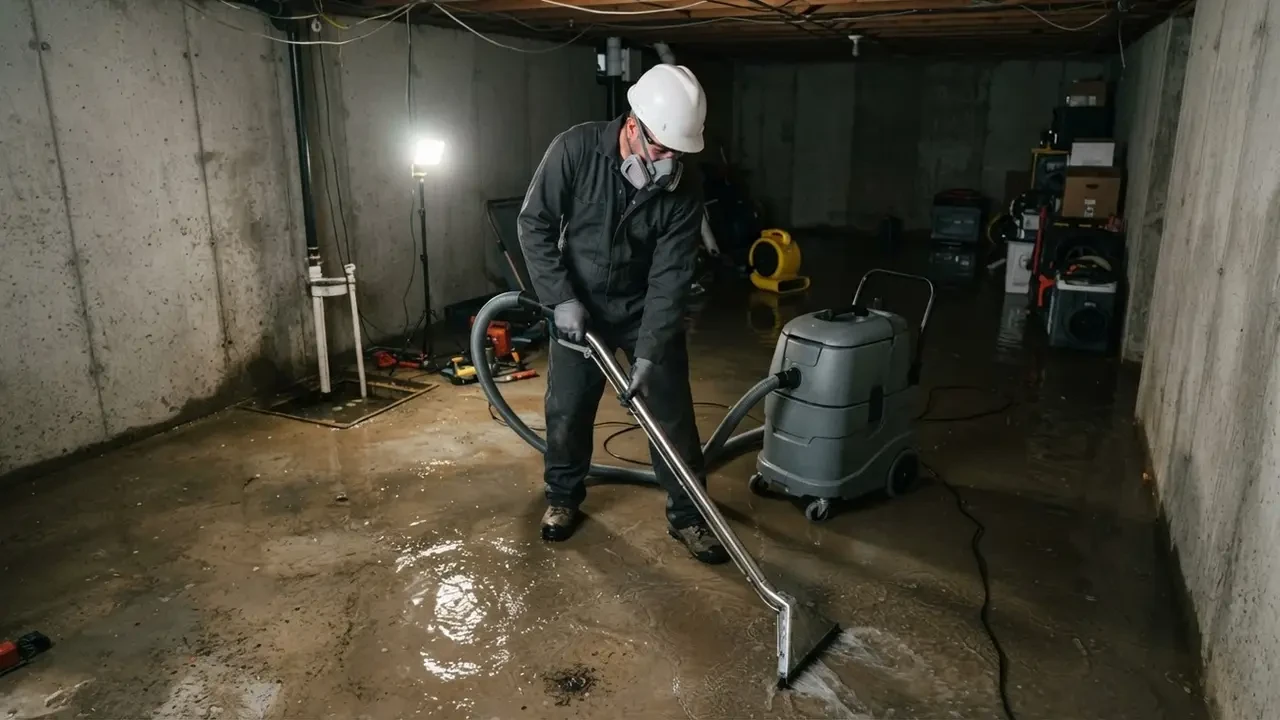
We remove accessible standing water from affected floors and other suitable surfaces using extraction equipment. The technician checks edges, transitions, and adjoining rooms for migration. Removing free water reduces what must be drawn out during the longer structural drying phase.
03
✓
Drying and Monitoring
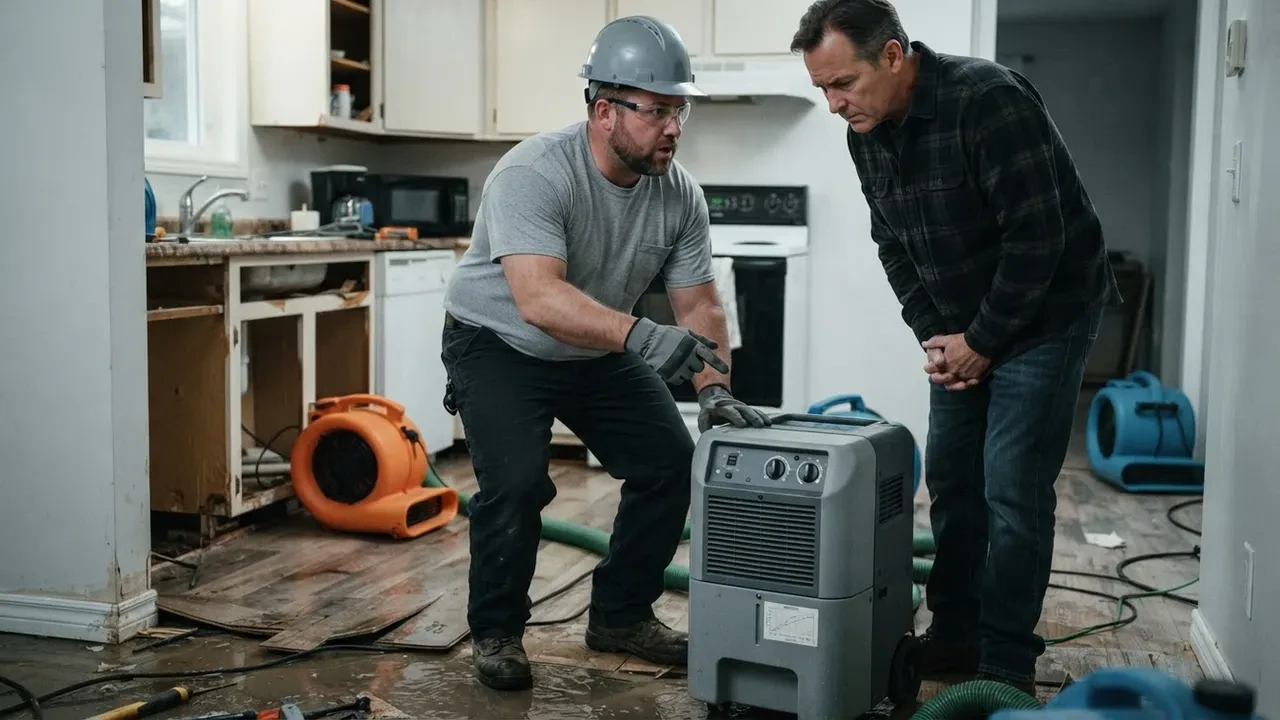
We place air movers and dehumidifiers based on affected materials and room conditions, then return to measure progress. Your technician explains access needs and equipment operation. Drying continues until readings show the affected materials have reached appropriate targets.
04
✓
Damage Documentation
We record visible conditions, moisture readings, and changes during the job. This gives you a useful account of affected areas and the work performed. If repairs follow, the documentation helps connect mitigation to the materials that need attention.
05
✓
Repair Planning
After drying, we identify damaged finishes that need repair, such as drywall, insulation, or flooring. We explain the sequence so replacement does not cover damp material. Plumbing line repair and reconstruction are coordinated as separate parts of returning the property to normal.
How it works
What Happens During Service
We start by checking for active water, electrical hazards, and unsafe ceiling or flooring conditions. You can help by closing the local shutoff valve if it is safe and keeping people away from wet electrical outlets. We identify the affected rooms and coordinate with a plumber when the broken line still needs repair. Initial inspection commonly takes 30 to 60 minutes.
Our technician checks visible damage and takes readings along the affected floor, wall, and ceiling. A hygrometer records room humidity, while moisture meters help compare wet areas with unaffected material. We use those findings to set drying goals and explain which surfaces are candidates for drying or selective removal. You see what is wet and why.
We remove accessible water with extraction equipment and address wet carpet or other salvageable materials using the appropriate method. If water reached a cabinet toe-kick, flooring seam, or wall cavity, we assess access before proceeding. A typical contained extraction pass takes one to three hours, though extensive or multi-room losses require more time.
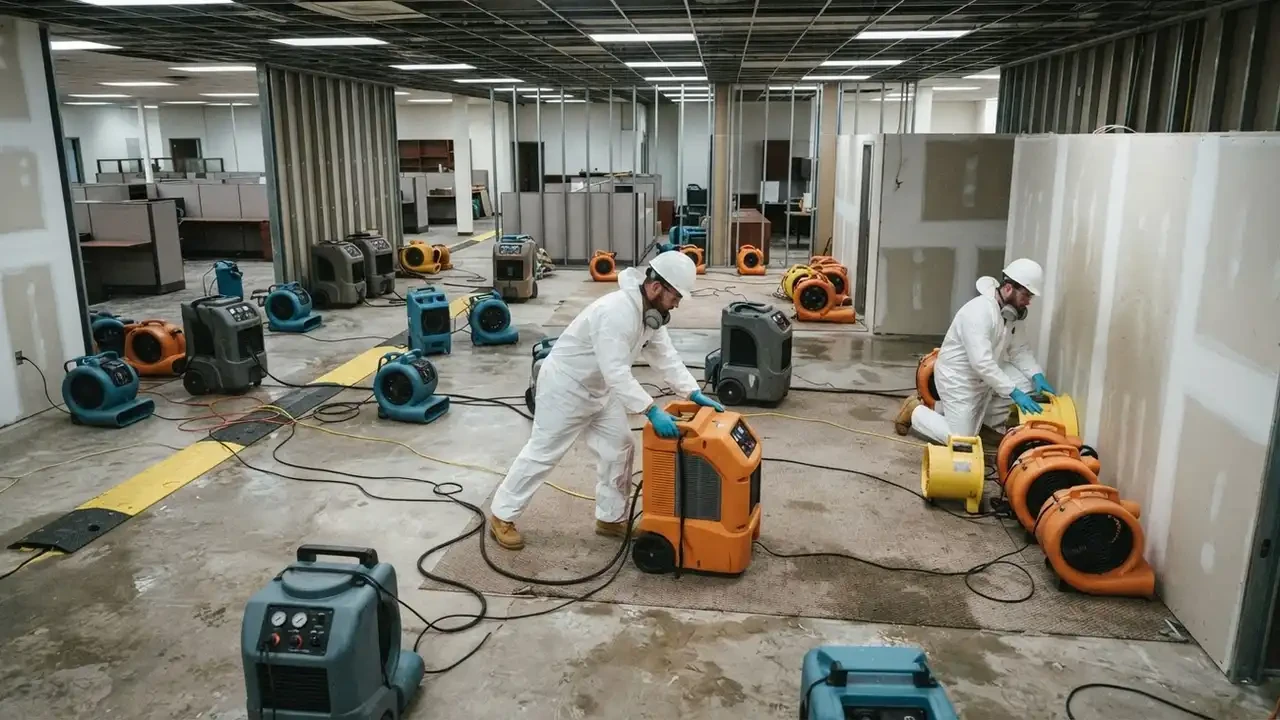
We place industrial air movers and dehumidifiers to move moisture out of materials and control room humidity. Equipment placement depends on the wet boundary, room layout, and airflow; it is not simply a matter of pointing fans at a stain. We explain noise, access, and daily checks so you know what to expect while the structure dries.
We return to check readings, adjust equipment, and confirm that affected materials are moving toward the agreed drying targets. Many straightforward losses dry in three to five days, while dense hardwood or concealed wet insulation can take longer. Once drying is complete, we review documentation and identify any drywall, flooring, or finish repairs still needed.
STEP 01Secure the Area
We start by checking for active water, electrical hazards, and unsafe ceiling or flooring conditions. You can help by closing the local shutoff valve if it is safe and keeping people away from wet electrical outlets. We identify the affected rooms and coordinate with a plumber when the broken line still needs repair. Initial inspection commonly takes 30 to 60 minutes.
Tools & methods
Tools and Drying Methods
01
✓
Moisture Meters
We measure moisture in accessible materials such as drywall and wood, comparing affected locations with nearby areas. Repeated readings help show whether drying is progressing or whether a hidden wet pocket needs further inspection.
02
✓
Thermal Imaging Cameras
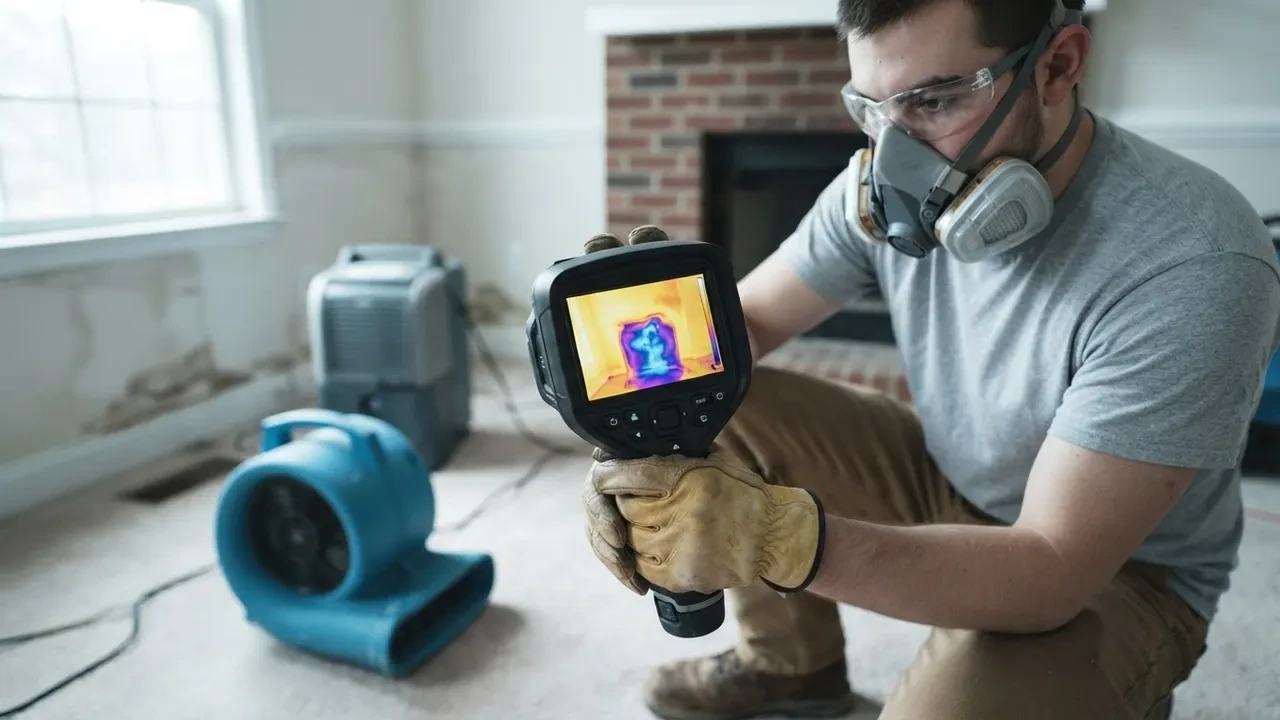
We use thermal imaging to locate temperature patterns that can guide inspection around a suspected leak path. The camera helps identify areas to check; moisture readings confirm whether a material is actually wet.
03
✓
Industrial Air Movers
Air movers direct airflow across or along wet materials to support evaporation. We position them according to the room and material, then balance airflow with dehumidification rather than relying on unrestricted fan use.
04
✓
Dehumidifiers
Dehumidifiers collect water vapor released as wet materials dry. We select placement based on the affected rooms and monitor humidity so the drying environment supports moisture removal instead of simply recirculating damp air.
05
✓
Water Extraction Units
Extraction equipment removes standing water from suitable surfaces before structural drying begins. It is used on accessible pooled water and appropriate floor coverings, with care taken around seams, edges, and transitions where water can travel.
06
✓
Hygrometers
Hygrometers measure indoor relative humidity and help us understand room conditions during drying. We use those readings alongside material moisture measurements to decide whether equipment needs adjustment.
Real results
Before and After.
Pipe Burst Water Damage Repair
Laundry Room Line Failure
A split washer hose left standing water across a laundry floor and soaked the carpet edge in the adjoining room. The visible puddle was only part of the problem: water had reached beneath the baseboard, and the padding felt damp several feet beyond the doorway. The household needed a clear boundary before deciding what could stay.
After: We extracted the standing water, checked the flooring transition and wall bottom, and set air movers with dehumidification. Follow-up readings over four days showed the affected materials trending toward dry conditions. The wet padding was addressed separately from the carpet, and the adjoining room's boundary was documented before repairs were planned.
A bathroom supply line leaked into the ceiling below, leaving a yellow stain and soft drywall. The homeowner could not tell whether water had reached insulation or traveled along the framing. A quick patch would have hidden the condition without confirming the cavity was dry.
After: After the plumbing repair, we mapped moisture around the stain and inspected the nearby ceiling and wall. We removed only the material needed for access, dried the affected area, and tracked readings over five days. The ceiling remained open until the cavity was verified dry, then repair work could proceed on a sound basis.
A pipe failure left water in a finished basement, including a low section near stored boxes and a carpeted area. The water had moved under the carpet edge, and a musty smell developed while the family tried to dry the room with household fans.
After: We removed standing water, checked the carpet edge and lower wall, and identified where moisture remained. Industrial air movers and dehumidification ran with scheduled checks; readings improved over four days. Stored contents were moved away from the work zone, and any material needing replacement was identified before the room was closed.
Water from a broken line moves through seams, cavities, and low points faster than a surface check can reveal. Our response targets both visible water and hidden moisture. If you need same-day pipe burst water damage repair Smyrna GA, call with the leak location, water source, and whether the supply is shut off.
Water Spreading From an Upstairs Pipe Into Lower Rooms
We trace the water path from the failed line to the affected ceiling and adjoining surfaces. Our team checks for active moisture, extracts accessible water, and sets drying equipment where readings show it is needed. If the ceiling is soft or sagging, we keep people clear and assess safe access before opening or repairing it.
↗02
Carpet Feels Dry While Padding Remains Soaked
We inspect the carpet edge and padding, assess the water source, and measure moisture below the visible surface. Based on condition, we extract and dry salvageable materials or identify padding that requires removal. We then monitor the subfloor so new flooring is not placed over unresolved moisture.
↗03
A Concealed Wall Leak Leaves a Spreading Stain
We use moisture readings and thermal imaging to guide a focused inspection around the stain and likely pipe route. Once we establish the wet boundary, we explain whether controlled drying or selective drywall removal is appropriate. After the line is repaired, we track the cavity until it is ready for close-up.
↗04
Basement Water Collects After a Line Failure
We identify the water source and safe access, move or protect contents as needed, and extract standing water from reachable areas. Then we check perimeter materials and set dehumidification and air movement based on readings. We review any continuing drainage issue separately from the failed pipe.
↗
Proof you can check
Training and Work Standards
Water Restoration Technician · Institute of Inspection, Cleaning and Restoration Certification
Applied Structural Drying · Institute of Inspection, Cleaning and Restoration Certification
Applied Microbial Remediation Technician · Institute of Inspection, Cleaning and Restoration Certification
EPA Lead-Safe practices · U.S. Environmental Protection Agency
A localized extraction and drying job may vary while multi-room or concealed damage can vary. The price in Smyrna depends on water volume, affected materials, access, equipment days, and whether demolition or reconstruction is needed. We inspect the wet area, explain the work and pricing upfront, and document conditions. Plumbing repairs and finish replacement can be separate parts of the total.
Home insurance often covers sudden accidental water damage, but coverage for the failed pipe and resulting repairs depends on your policy. Gradual leaks, neglect, and certain exclusions can change the decision. We document visible damage, moisture readings, and drying work to help you discuss the claim with your insurer. Keep damaged parts and photographs when practical, and report the loss promptly using your insurer's instructions.
A contained water extraction often takes two to four hours, and structural drying commonly takes three to five days. Larger losses, hardwood flooring, or water trapped inside a wall can extend the schedule. We check moisture readings during the process and adjust equipment as conditions change. Repairs to drywall, flooring, or cabinetry happen after drying and add time based on the materials and scope.
For emergency water cleanup, call Smyrna Water Damage Company at (833) 546-4116; we assess the wet area, extract water, and begin monitored drying. A plumbing contractor must repair the failed line if the leak is still active. Our emergency pipe burst cleanup Smyrna GA response covers residential and commercial properties, including Windy Hill and Smyrna Market Village. If water is near electricity, avoid the area and contact emergency services when there is immediate danger.
A split pipe can keep feeding water into walls and floors until the source is shut off. Call Smyrna Water Damage Company at (833) 546-4116 to start emergency cleanup and arrange an assessment. We provide clear upfront pricing before restoration work proceeds.
Call (833) 546-4116 for help with a leak, flooded room, sewage backup, or mold concern in Smyrna. Calls are accepted around the clock for urgent restoration requests, and we connect you with independent companies serving the area. Share your neighborhood or ZIP code, the water source, and whether the damage is still active so we can direct your request.