We dry damaged rooms and help protect your home.

Residential Water Damage Restoration in Smyrna

Residential Water Damage Restoration in Smyrna helps homeowners respond to leaks, flooding, and soaked building materials before damage spreads. Our team finds the water source, removes standing water, measures moisture, and plans drying or repairs around your home and belongings. For residential water damage repair Smyrna GA homeowners can call us about pipe bursts, roof leaks, appliance failures, or storm intrusion. Call (833) 546-4116 when water is affecting your floors, walls, or ceilings.

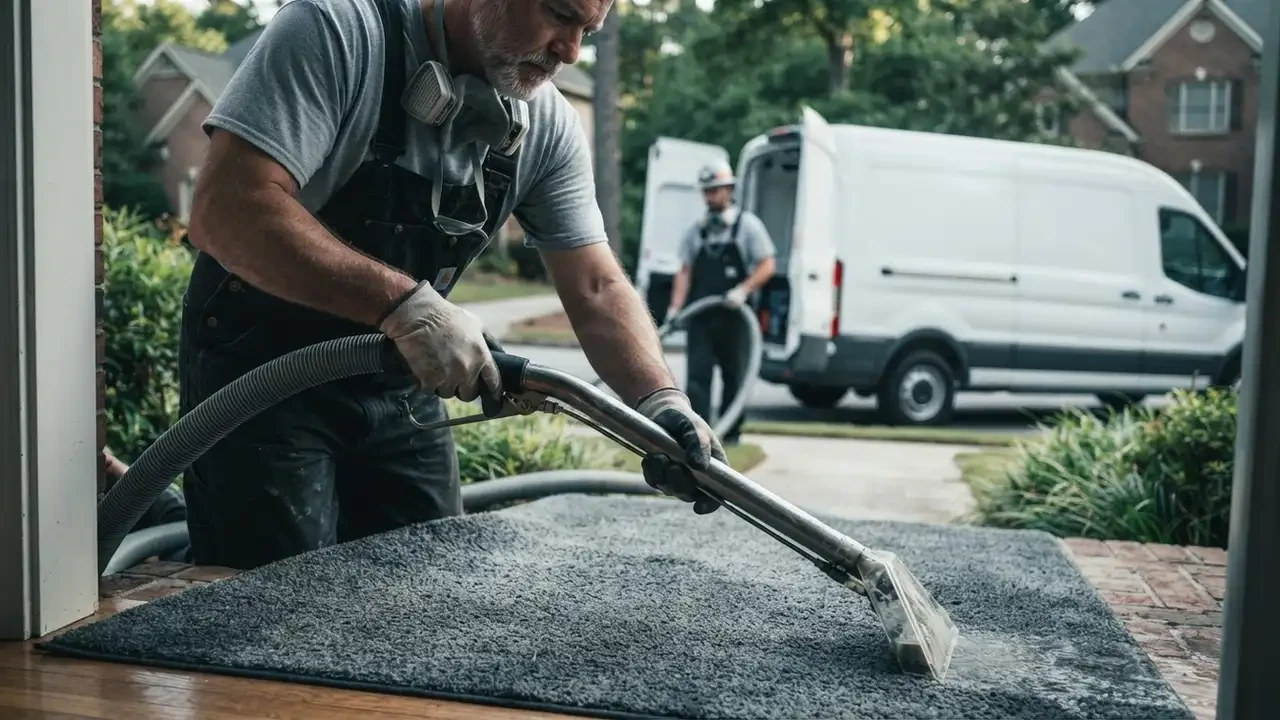
Water damage restoration in Smyrna : team of restoration technicians unloading heavy-duty water extraction equipment from a
Careful work. Honest options.
About this service

Residential Water Damage Restoration in Smyrna

Residential Water Damage Restoration in Smyrna is a property recovery service that removes water, dries affected building materials, and restores areas damaged by leaks or flooding. We start by identifying the source and mapping moisture in floors, walls, and ceilings; then we extract water, set drying equipment, and check readings as conditions change. The work may include removing unsalvageable carpet padding or insulation, cleaning exposed surfaces, and coordinating repairs to drywall or flooring. Finding moisture behind a finished surface matters as much as drying the visible puddle.

Smyrna homes face water entry from pipe bursts, roof leaks, basement flooding, and storm damage, with hidden moisture sometimes reaching crawl spaces or wall cavities. We tailor the drying plan to the affected materials, room layout, and access points instead of relying on surface appearance. If you are searching for residential water damage restoration Smyrna GA near me, our team can assess the loss, explain the next steps, and help limit disruption to your household. We serve homes throughout Cobb County, Georgia.

  • ✓ Moisture Found Earlier
  • ✓ Drying With Measured Control
  • ✓ A Clear Repair Sequence
  • ✓ Home-Focused Coordination
What's included

What Residential Restoration Includes

Residential water damage restoration covers assessment, water extraction, moisture monitoring, structural drying, and cleaning of affected areas. The exact work depends on the source and materials involved. Repairs such as replacing drywall, insulation, or flooring follow when the area is ready. Mold remediation, extensive reconstruction, and specialty content cleaning are handled when the damage calls for them and are planned around the documented condition of your home.

01
✓

Damage Assessment

We inspect the visible loss and nearby rooms, identify the likely water path, and record affected materials. Moisture checks help us distinguish surface staining from water that has reached a wall cavity, subfloor, or adjoining space.

02
✓

Water Extraction

We remove standing water from accessible floors and low areas with extraction equipment. Removing water early reduces the amount left for building materials to absorb and gives us a clearer view of carpet, flooring, and lower wall conditions.

03
✓

Drying and Monitoring

Air movers and dehumidifiers support drying while our team checks moisture and humidity. We adjust placement as the readings change, then document when the affected areas are ready for the next phase of work.

04
✓

Cleaning and Odor Control

We clean affected surfaces appropriate to the water source and address residual odors after the moisture problem is corrected. If the loss involves sewage or other contamination, the cleaning plan changes to protect occupants and workers.

05
✓

Repair Coordination

After drying, we identify damaged finishes that need repair, such as drywall, trim, or flooring. We explain how reconstruction fits into the recovery sequence so replacement materials are not installed while the structure remains wet.

How it works

What to Expect During Recovery

On arrival, we ask what happened and inspect the affected rooms, nearby spaces, and likely water path. We use moisture meters and thermal imaging cameras to locate wet areas, then record visible damage and readings. The initial assessment often takes 30 to 90 minutes, depending on access and the size of the loss.

We confirm the leak or entry point has been addressed, then remove standing water with water extraction units. For a clean-water pipe leak, extraction can take a few hours; a larger basement flood takes longer. You will see which materials can be dried in place and which require removal for access or sanitation.

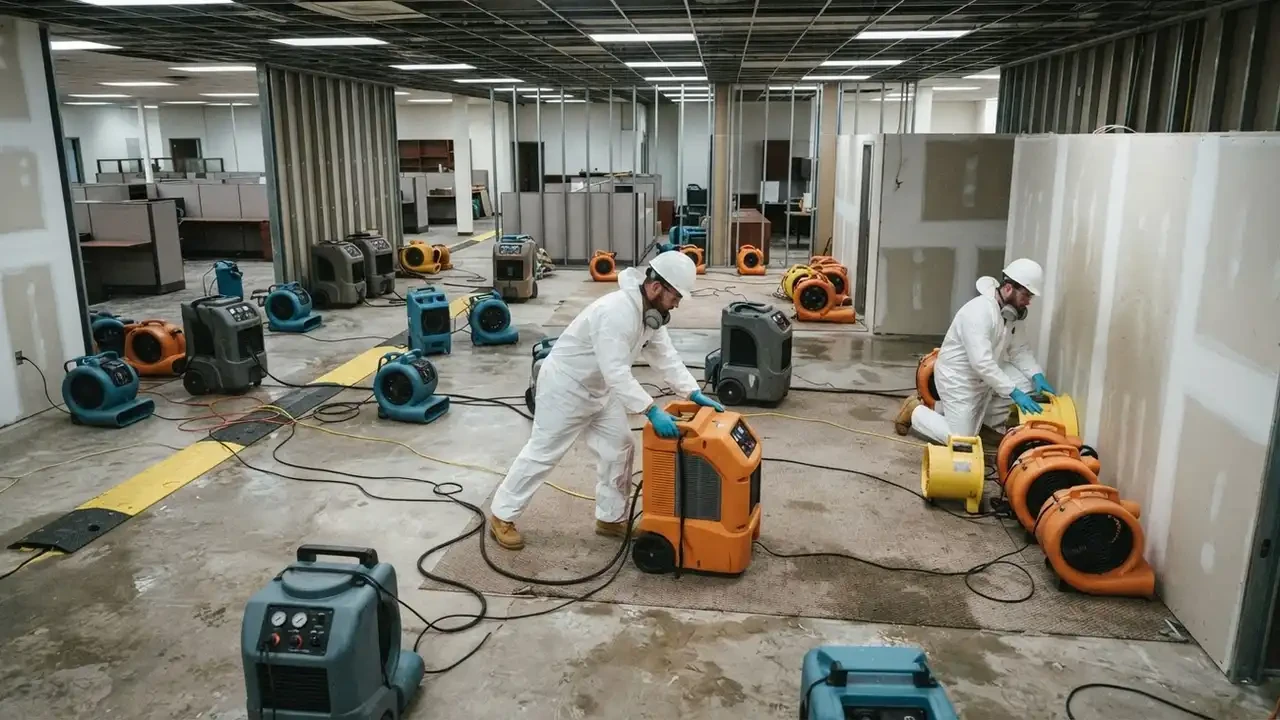
We position air movers and dehumidifiers to circulate air across wet surfaces and remove moisture from the room. Equipment placement depends on room size, material type, and readings, not a fixed number of machines. We protect pathways and explain noise, heat, and power needs before the drying setup begins.

During active drying, we recheck moisture and humidity, adjust equipment, and document progress. Many contained losses require 3 to 5 days of drying, while wet insulation, dense hardwood, or concealed cavities can extend the schedule. You receive updates when readings support moving to the next stage.

Once affected areas meet drying goals, we clean and prepare surfaces for repair. Depending on the loss, the final work can include replacing drywall, insulation, flooring, or trim and deodorizing affected rooms. We coordinate the repair sequence with you and keep the damaged-area record available for your insurance discussion.

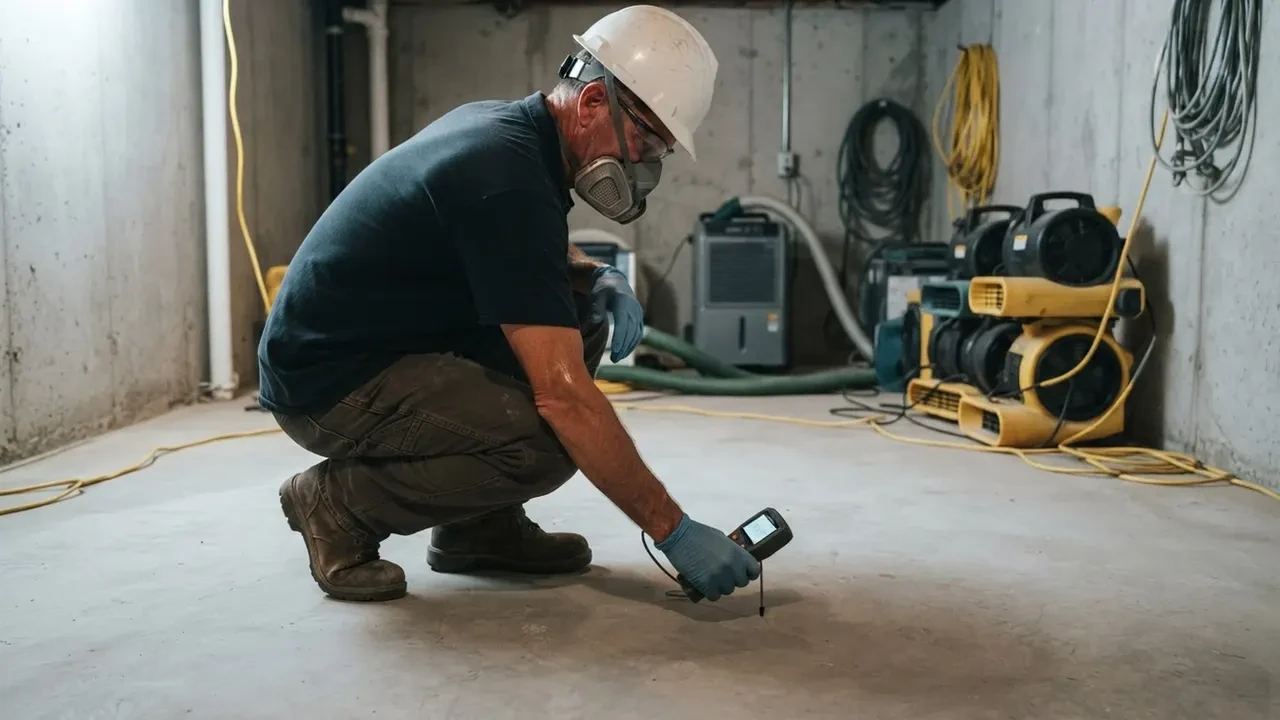
Water damage restoration in Smyrna : detail shot of a clean, dry concrete basement floor after water damage restoration
STEP 01Inspect and Map

On arrival, we ask what happened and inspect the affected rooms, nearby spaces, and likely water path. We use moisture meters and thermal imaging cameras to locate wet areas, then record visible damage and readings. The initial assessment often takes 30 to 90 minutes, depending on access and the size of the loss.

Tools & methods

Equipment and Drying Methods

01
✓

Moisture Meters

We use moisture meters to compare readings in affected drywall, flooring, and framing with nearby materials. Repeat measurements show whether drying is progressing and help guide equipment changes.

02
✓

Thermal Imaging Cameras

Thermal imaging cameras help identify temperature patterns that can point to a hidden wet area. We verify suspected moisture with direct measurements before deciding where to dry or open materials.

03
✓

Industrial Air Movers

Industrial air movers direct airflow across wet surfaces to support evaporation. We position them around the affected room and adjust placement as moisture readings and site conditions change.

04
✓

Dehumidifiers

Dehumidifiers remove moisture from the air during structural drying. We select placement based on the size and layout of the affected area, then monitor humidity as materials release water.

05
✓

Water Extraction Units

Water extraction units remove standing water from floors and other accessible surfaces. Extraction reduces the water load before drying and helps expose damage that was hidden beneath pooled water.

06
✓

Hygrometers

Hygrometers measure humidity in the room so we can evaluate drying conditions alongside material readings. We use those results to decide whether equipment settings or placement need adjustment.

Real results

Before and After.

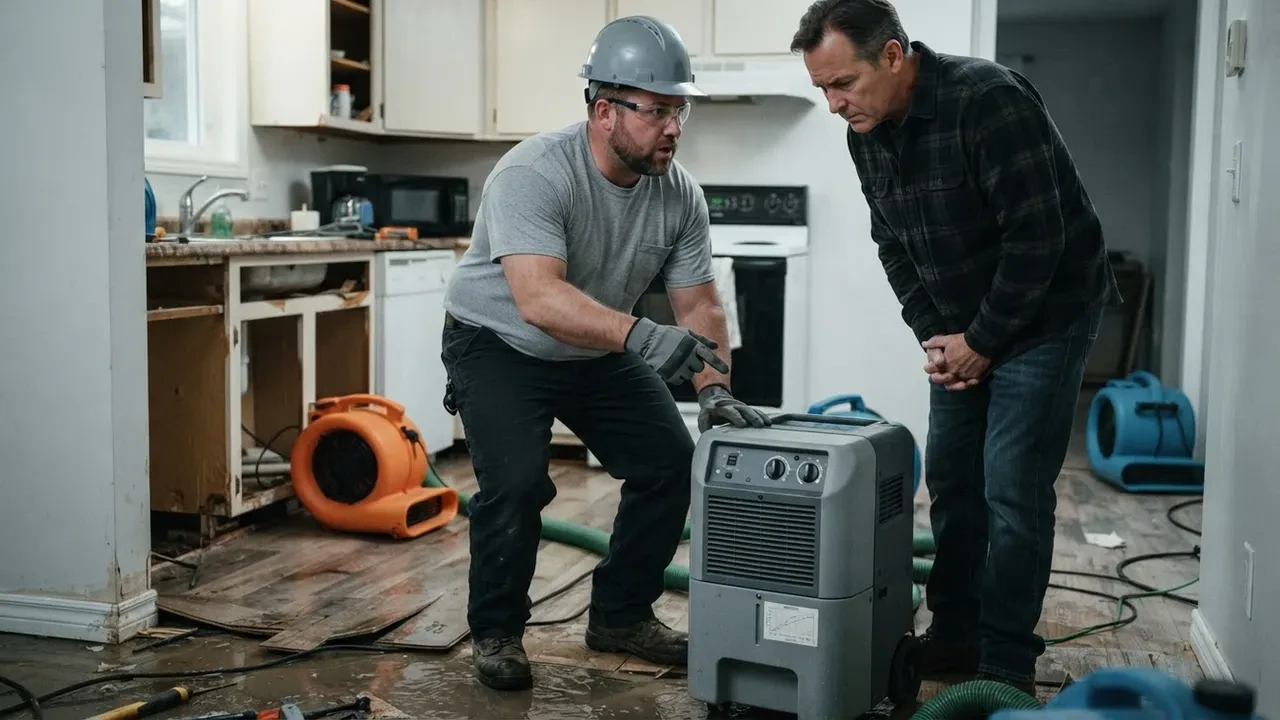
Water damage restoration in Smyrna : restoration technician explaining the drying process to a male homeowner in his
Residential Water Damage Restoration

Kitchen Supply-Line Leak

A failed line under a kitchen sink left water in the cabinet and along the floor edge. The visible puddle was small, but the cabinet base and adjoining wall showed elevated moisture. The homeowner had towels down and was unsure whether the floor or wall needed to be opened.

After: We extracted the water, checked the cabinet base and wall, and set drying equipment around the affected area. Follow-up readings over 4 days showed the materials trending dry. The damaged cabinet toe-kick was identified for repair, while the adjacent floor remained in place.

Book this service →
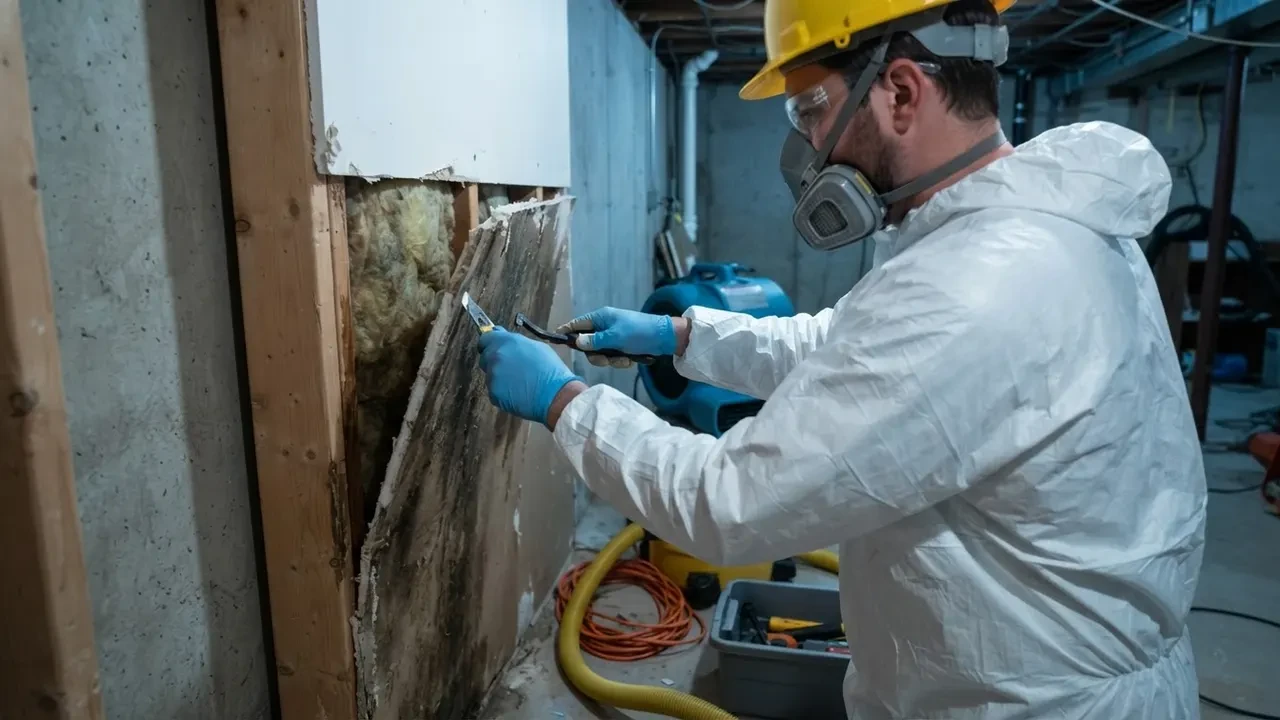
Water damage restoration in Smyrna : restoration technician in full PPE, including a respirator, carefully removing a
Residential Water Damage Restoration

Basement Storm Intrusion

After heavy rain, water spread across one corner of a finished basement and soaked stored boxes. Carpet edges felt damp, and the lower drywall showed staining. The family was concerned that moisture had moved behind shelving and into the wall.

After: We removed standing water, moved affected contents out of the work area, and checked lower drywall and carpet padding. Air movers and dehumidification ran for 5 days with documented checks. The affected padding and a small drywall section were identified for removal before finish repairs.

Book this service →
Water damage restoration in Smyrna : aerial view inside a large commercial office space, showing multiple industrial
Residential Water Damage Restoration

Upstairs Bathroom Overflow

A tub overflow sent water through the bathroom floor and left a ceiling mark in the room below. The lower ceiling looked dry to the touch, but the stain had widened and nearby trim felt damp. The source was stopped, yet the hidden assembly still needed inspection.

After: We checked the bathroom floor, ceiling, and adjoining wall, then mapped moisture before setting drying equipment. Readings improved over 3 days, and the ceiling was opened only where access was needed. Once dry, the damaged section was ready for patching and repainting.

Book this service →
Problems we solve

Problems We Solve Before They Spread

Residential water damage restoration Smyrna homeowners need is often triggered by a small failure that quickly affects more than one room. A stain, damp odor, or soft floor can signal hidden moisture. We trace the water path, measure affected materials, and match cleanup to the source.

Ask a pro →
01

A Pipe Burst Soaked Cabinets and Flooring Overnight

We locate the affected footprint, extract standing water, and check the cabinet base, floor, and adjacent wall. Our team sets drying equipment where readings show moisture and returns to measure progress. Once the area is dry, we identify finishes that need repair and coordinate the next step with you.

↗
02

A Roof Leak Left a Ceiling Stain After Rain

We inspect the ceiling and surrounding areas, check for trapped moisture, and flag sagging materials as a safety concern. After the roof entry is addressed, we dry or remove affected material and document the condition. Repairs follow when the area is stable and ready for new finishes.

↗
03

Basement Water Reached Stored Belongings and Wall Edges

We extract water, separate affected contents, and check lower walls and flooring for moisture. Our team places dehumidifiers and air movers to suit the basement layout, then tracks readings. If the event involved contaminated water, we use a sanitation-focused plan rather than treating it like a clean leak.

↗
04

A Slow Slab Leak Kept One Floor Area Damp

We inspect the damp area and adjoining materials, document moisture patterns, and coordinate the restoration sequence after the plumbing source is controlled. We dry affected materials where feasible and explain when flooring or baseboards need removal to reach trapped moisture.

↗
Proof you can check

Work Standards and Documentation

  • IICRC WRT · Institute of Inspection, Cleaning and Restoration Certification
  • IICRC ASD · Institute of Inspection, Cleaning and Restoration Certification
  • IICRC AMRT · Institute of Inspection, Cleaning and Restoration Certification
  • EPA Lead-Safe · U.S. Environmental Protection Agency
Good questions

Questions Smyrna Homeowners Ask

(833) 546-4116 →

A small, contained water loss often varies while extensive drying and reconstruction can be higher for larger losses. The price in Smyrna depends on water volume, affected rooms, material removal, contamination, and repair scope. We inspect the damage and explain pricing before work proceeds. Insurance coverage and deductibles vary by policy, so keep photos and incident details for your adjuster.

Homeowners insurance often covers sudden and accidental water damage, but it commonly excludes gradual leaks, maintenance failures, or floodwater; your policy controls. We document affected rooms, materials, and drying progress to support your claim discussion. Call your insurer promptly, take photos if safe, and avoid discarding damaged items before documenting them. We can explain the work performed without promising a coverage decision.

A contained loss often needs 3 to 5 days of structural drying, with repairs adding several days or more. The schedule depends on how much water entered, whether insulation or hardwood is wet, and whether materials must be removed. We check moisture readings during drying and move to repairs when the affected areas meet the plan's targets. Larger losses take longer.

Smyrna Water Damage Company handles residential water damage repair near me Smyrna homeowners need for leaks, flooding, extraction, drying, and repairs. Call (833) 546-4116 to describe the source, when it started, and which rooms are affected. If water is near electrical equipment or a ceiling is sagging, keep clear and address immediate safety hazards before entering the area.

Ready when you are

Call for Residential Water Damage Restoration in Smyrna

Wet floors, ceiling stains, or a burst pipe need a clear next step. Our team will ask what happened, identify the affected areas, and explain the response. Call Smyrna Water Damage Company at (833) 546-4116 for residential water damage restoration in Smyrna.

Call for Help (833) 546-4116 →
Request an appointment

Contact Our Team

Call (833) 546-4116 for help with a leak, flooded room, sewage backup, or mold concern in Smyrna. Calls are accepted around the clock for urgent restoration requests, and we connect you with independent companies serving the area. Share your neighborhood or ZIP code, the water source, and whether the damage is still active so we can direct your request.

Request received — our team will be in touch shortly.
↗
Emergency?Call now