Find hidden moisture and understand what to do next

Mold Inspection and Testing Smyrna GA for Your Home

mold inspection and testing Smyrna GA gives homeowners and property managers a clear picture when musty odors, visible spotting, or lingering water damage raise concern. Our Smyrna Water Damage Company team checks likely moisture sources, inspects affected materials, and explains whether sampling is useful. For mold testing Smyrna GA, we connect findings to practical next steps so you can address the cause instead of guessing.

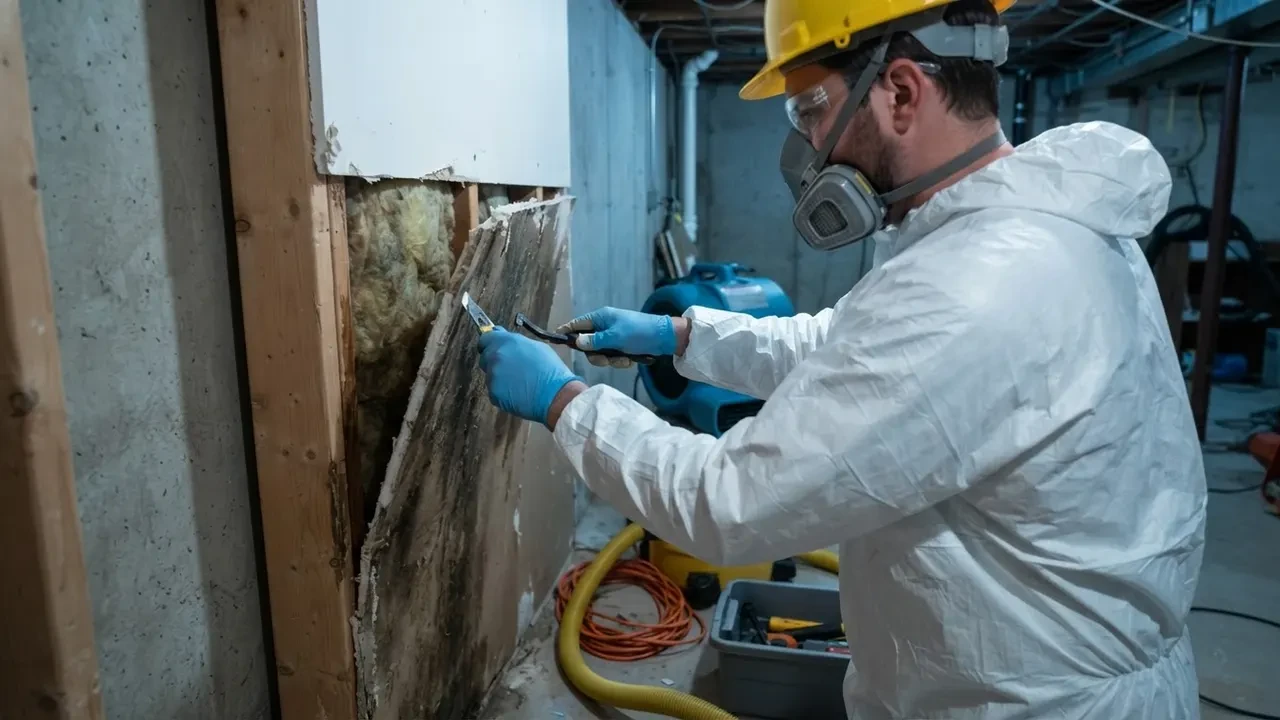
Water damage restoration in Smyrna : restoration technician in full PPE, including a respirator, carefully removing a
Careful work. Honest options.
About this service

Mold Inspection and Testing Smyrna GA Explained

mold inspection and testing Smyrna GA is a building assessment that locates moisture, evaluates suspected mold growth, and determines whether targeted sampling can answer a specific question. We review the reported leak or odor, inspect accessible surfaces, and use moisture meters and thermal imaging cameras to identify damp areas behind or beneath finishes. If sampling is warranted, we collect appropriate samples and arrange analysis through a qualified laboratory. A meter reading or air sample alone does not establish the full extent of a problem; the inspection connects readings, visible conditions, and the building's water history.

Smyrna homes and businesses face mold concerns after pipe bursts, roof leaks, basement flooding, sewage backups, and storm damage. Humid summers and damp crawl spaces can also keep building materials wet after a small leak seems to stop. Our Smyrna mold inspection and testing approach focuses on the moisture source, affected drywall or flooring, and the right next step. If you are searching for mold inspection and testing Smyrna GA near me, we can inspect the concern and explain what the findings mean for your property.

  • ✓ Locate hidden moisture
  • ✓ Choose testing deliberately
  • ✓ Connect growth to water
  • ✓ Document a useful baseline
What's included

What Mold Inspection and Testing Includes

A visit covers a discussion of the water history, visual inspection of accessible areas, moisture checks where appropriate, and a clear explanation of findings. If testing is useful, we identify the question it is intended to answer and collect targeted samples for analysis. Extensive demolition, repair, remediation, and laboratory fees can require separate work, which we explain before proceeding.

01
✓

Concern and History Review

We ask when the leak, odor, or staining began and what repairs have already occurred. Your timeline helps us focus the inspection on likely water paths and decide whether current conditions or past moisture are the main concern.

02
✓

Visual Condition Inspection

We examine accessible surfaces for staining, visible growth, bubbling finishes, and material damage. We also check nearby areas that may connect to the reported source, such as a ceiling below a bathroom or a wall beside plumbing.

03
✓

Moisture Condition Checks

Where useful, we take readings in suspect materials and compare them with nearby unaffected areas. This helps identify dampness that warrants drying or closer inspection; a reading alone does not identify mold species or prove growth.

04
✓

Targeted Sampling Option

When a specific question calls for laboratory analysis, we explain the sample type and location before collection. Sampling is selected for the concern and reported with context so you can understand what the result can establish.

05
✓

Findings and Next Steps

We review observed conditions, likely moisture sources, and practical actions such as leak repair, drying, or remediation. You can use the notes to coordinate follow-up work and decide whether another inspection is necessary.

How it works

What to Expect During Inspection

We ask when the odor, staining, or leak began and what has already been repaired. You can point out rooms, shared walls, or belongings that worry you. This first conversation takes about 10 to 15 minutes and helps us prioritize likely water paths, such as a bathroom supply line or roof penetration.

Our technician checks visible surfaces, nearby transitions, and accessible spaces connected to the reported issue. We look for discoloration, bubbling paint, soft drywall, and conditions that could support mold growth. You can stay with us as we explain what we see and identify areas that need closer measurement.

We use moisture meters, a hygrometer, or thermal imaging cameras where they help clarify conditions. A thermal image highlights temperature differences; it does not prove mold is present. We compare suspect spots with unaffected material and explain any readings in context rather than treating one number as a diagnosis.

If sampling can answer a clear question, we describe the sample type and location before collecting it. Air, surface, or material samples are selected for the situation and handled for laboratory analysis. Sample collection often adds 20 to 45 minutes; lab turnaround depends on the analysis requested.

We walk you through the inspection notes, moisture source, and any available laboratory results. You receive practical next steps, such as repairing a leak, drying materials, or arranging mold remediation. If the evidence does not support additional testing, we say so and explain what to monitor instead.

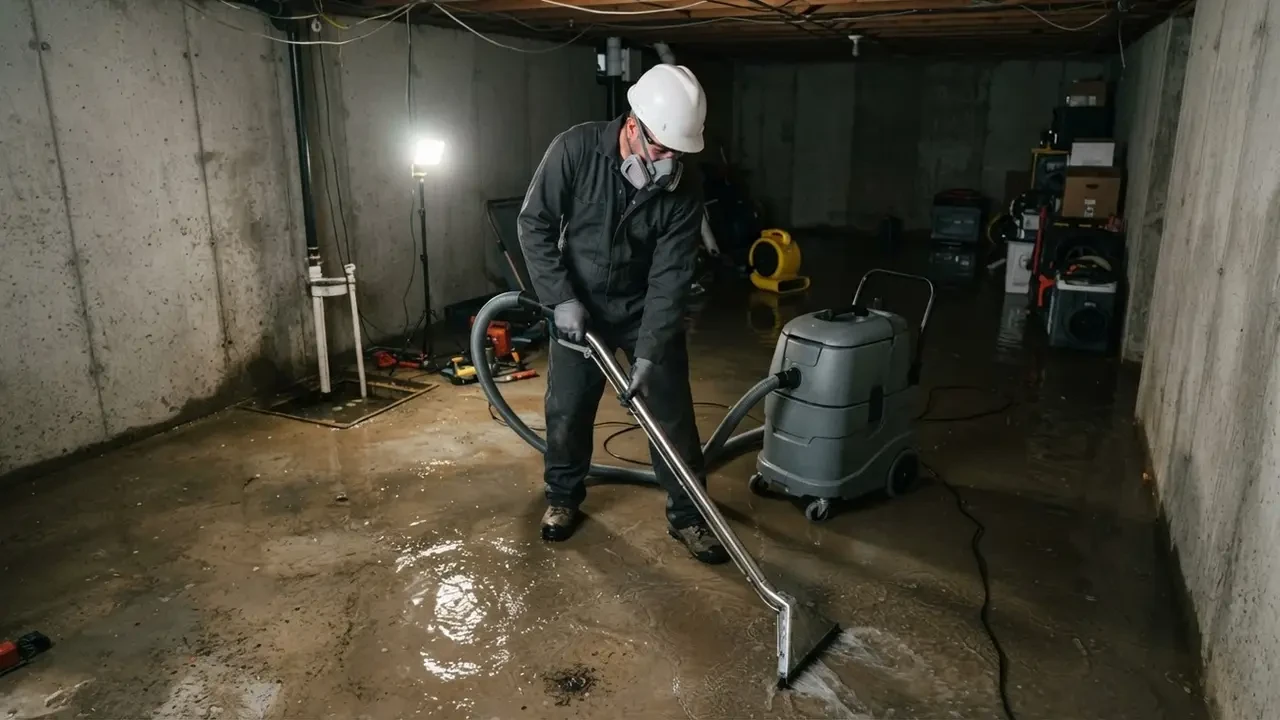
Water damage restoration in Smyrna : restoration technician using a professional-grade water extractor to remove standing
STEP 01Discuss the concern

We ask when the odor, staining, or leak began and what has already been repaired. You can point out rooms, shared walls, or belongings that worry you. This first conversation takes about 10 to 15 minutes and helps us prioritize likely water paths, such as a bathroom supply line or roof penetration.

Tools & methods

Tools and Inspection Methods

01
✓

Moisture Meters

We use meters to compare suspect building materials with nearby areas and track dampness in drywall, wood, or other accessible surfaces. Readings help guide inspection; they do not identify mold by themselves.

02
✓

Thermal Imaging Cameras

Thermal imaging highlights surface temperature differences that can help locate areas for closer checking. We verify patterns with direct inspection or moisture measurement rather than treating an image as proof of a leak or mold.

03
✓

Hygrometers

A hygrometer measures relative humidity and temperature in the inspected area. We use the readings alongside material checks to understand room conditions that can slow drying or contribute to condensation.

04
✓

Borescopes

Where access and conditions permit, a borescope can provide a view into a small opening or cavity. We use it to check a limited area without assuming that one view represents the entire wall.

05
✓

Infrared Thermometers

An infrared thermometer checks surface temperature at a specific point. It can help compare cool or warm areas during an inspection, particularly when considering condensation near windows, pipes, or exterior walls.

Real results

Before and After.

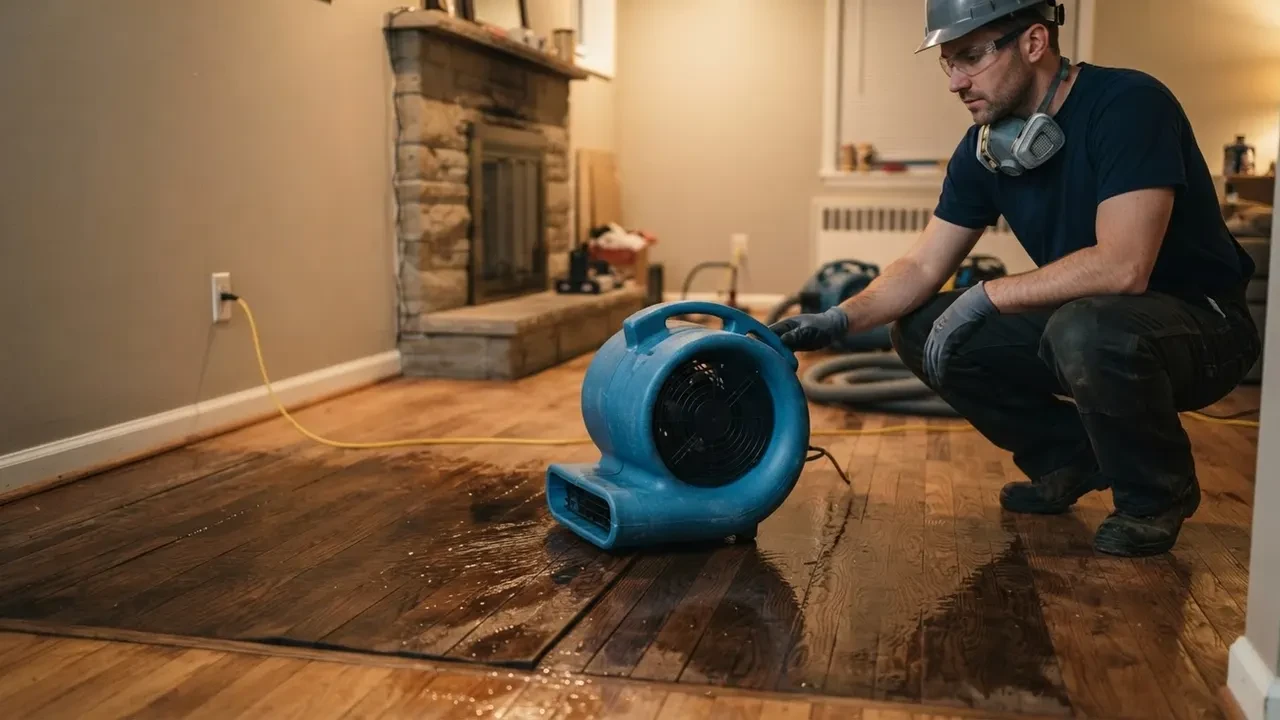
Water damage restoration in Smyrna : Close-up of a powerful industrial air mover positioned to dry a section of wet hardwood
Mold Inspection and Testing

Recurring Bathroom Wall Odor

A homeowner near Smyrna Heights repaired a small supply-line leak, but a musty odor remained beside the vanity. The wall looked mostly normal, and repainting seemed like the quickest fix. No one had checked the lower drywall or compared its moisture with the adjacent hallway wall.

After: We checked the wall and baseboard, found a damp section measuring higher than the comparison area, and explained why the surface needed further drying and repair. The inspection narrowed the concern to one section instead of the entire bathroom. Follow-up readings showed a downward trend after the leak repair and drying work.

Book this service →
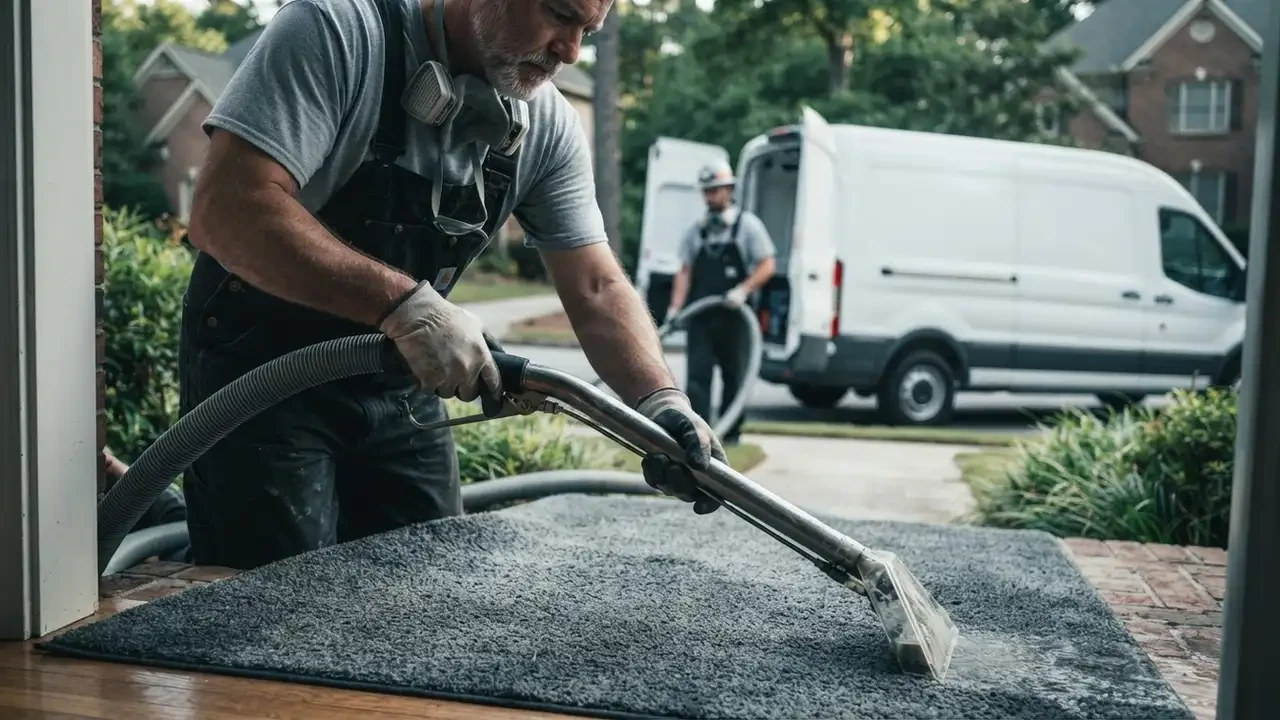
Water damage restoration in Smyrna : team of restoration technicians unloading heavy-duty water extraction equipment from a
Mold Inspection and Testing

Storm-Related Basement Staining

After heavy rain, a Cumberland homeowner noticed a dark mark near the basement floor and a damp cardboard odor. The visible stain covered only a small area, but stored boxes had been placed against the wall and the moisture source was uncertain.

After: We inspected the wall-floor transition and nearby stored area, then used moisture readings to map the damp section. The owner arranged water-entry repairs and drying for the affected materials. A later check showed the area had returned closer to surrounding readings, and the next repair focused on the identified section rather than the full basement.

Book this service →
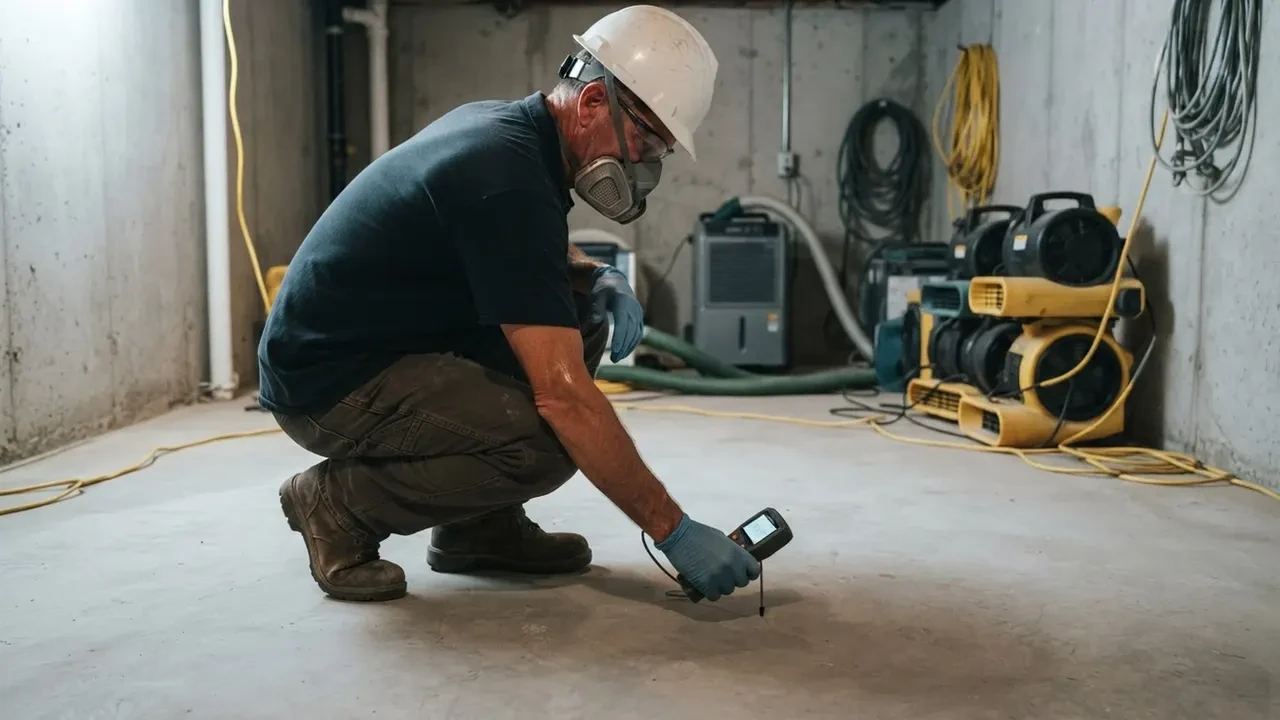
Water damage restoration in Smyrna : detail shot of a clean, dry concrete basement floor after water damage restoration
Mold Inspection and Testing

Ceiling Stain After Roof Leak

A resident near Spring Road saw a ceiling stain reappear after rain, even though the roof had been patched once. The drywall had not been checked, and the resident was unsure whether the mark was old or still damp.

After: We inspected the ceiling and adjacent surfaces, identified a moisture pattern needing follow-up, and explained how to verify the roof repair before closing the interior. Once the water source was addressed, drying checks helped confirm improvement. The owner had a documented location and next-step sequence for the ceiling repair.

Book this service →
Problems we solve

Solve Moisture Concerns Before They Spread

A hidden leak or damp cavity can keep producing odor and material damage after the visible water disappears. If you need affordable mold inspection and testing in Smyrna Georgia, we focus on the affected area and the moisture source first. That keeps the inspection tied to a real building concern and gives you a practical path forward.

Ask a pro →
01

A Musty Odor Continues After a Plumbing Repair

We inspect around the repaired line and adjacent materials, compare moisture readings, and look for visible changes or concealed dampness. If the evidence supports sampling, we explain what it can answer. You receive next steps focused on drying or repair rather than odor masking.

↗
02

Ceiling Stains Return After Rain

We check the stain, nearby ceiling and wall surfaces, and accessible areas connected to the roof path. Thermal imaging can help identify a spot for closer measurement. We explain what appears wet and recommend confirming the exterior source before interior repairs are closed.

↗
03

Basement or Crawl Space Stays Damp

We assess accessible areas for water entry, damp materials, and humidity conditions, then identify where readings are elevated. If water removal or dehumidification is needed, we discuss that sequence before testing or repairs. The goal is to address the moisture condition feeding the concern.

↗
04

A Buyer or Tenant Needs Clarity About Visible Growth

We document the location, visible condition, and moisture findings, then discuss whether targeted sampling makes sense. You receive a plain-language explanation of observations and limits, which can help owners, occupants, or managers plan a focused follow-up.

↗
Good questions

Mold Inspection Questions Answered

(833) 546-4116 →

A focused inspection often varies while inspection with laboratory sampling commonly varies. The price in Smyrna depends on property size, access, sample count, and whether concealed areas need evaluation. We explain the price before work starts. Testing is most useful when it answers a specific concern; sampling more rooms does not automatically produce a better assessment.

A focused inspection usually takes 1 to 3 hours, and sample collection can add 20 to 45 minutes. The laboratory turnaround is commonly 2 to 5 business days, depending on the analysis and lab schedule. During the visit, we inspect visible conditions and moisture patterns first. We then explain whether sampling is appropriate and what you can expect from the results.

Coverage depends on your policy and the cause of the moisture; some policies cover inspection tied to a covered sudden water loss. Gradual leaks, maintenance issues, or excluded causes may be treated differently. We document observed conditions and can provide service records to support your claim discussion. Your insurer makes the coverage decision, so review your policy and report the loss promptly.

Smyrna Water Damage Company provides local inspection and coordinated mold testing for homes and businesses in Smyrna, Georgia. We check moisture conditions, explain whether sampling fits the concern, and discuss next steps based on the findings. If you are looking for mold testing near me Smyrna, call (833) 546-4116 to describe the odor, leak, or visible growth and arrange a conversation about your property.

Ready when you are

Arrange Mold Inspection and Testing Smyrna GA

A persistent odor, new ceiling stain, or wet crawl space deserves a direct look. Our local team will discuss the concern and explain the inspection and testing options. Call Smyrna Water Damage Company at (833) 546-4116 to take the next step.

Call our team (833) 546-4116 →
Request an appointment

Contact Our Team

Call (833) 546-4116 for help with a leak, flooded room, sewage backup, or mold concern in Smyrna. Calls are accepted around the clock for urgent restoration requests, and we connect you with independent companies serving the area. Share your neighborhood or ZIP code, the water source, and whether the damage is still active so we can direct your request.

Request received — our team will be in touch shortly.
↗
Emergency?Call now