Clear dust, inspect ducts, and improve everyday comfort

Air Duct Cleaning Smyrna GA for Cleaner Airflow

air duct cleaning Smyrna GA helps homeowners and property managers address visible dust, musty odors, and debris moving through HVAC vents. Our team checks accessible duct sections, protects nearby rooms, and removes accumulated material with equipment suited to the system. If a leak, flood, or damp crawl space has affected your home, we also look for moisture-related concerns before cleaning begins.

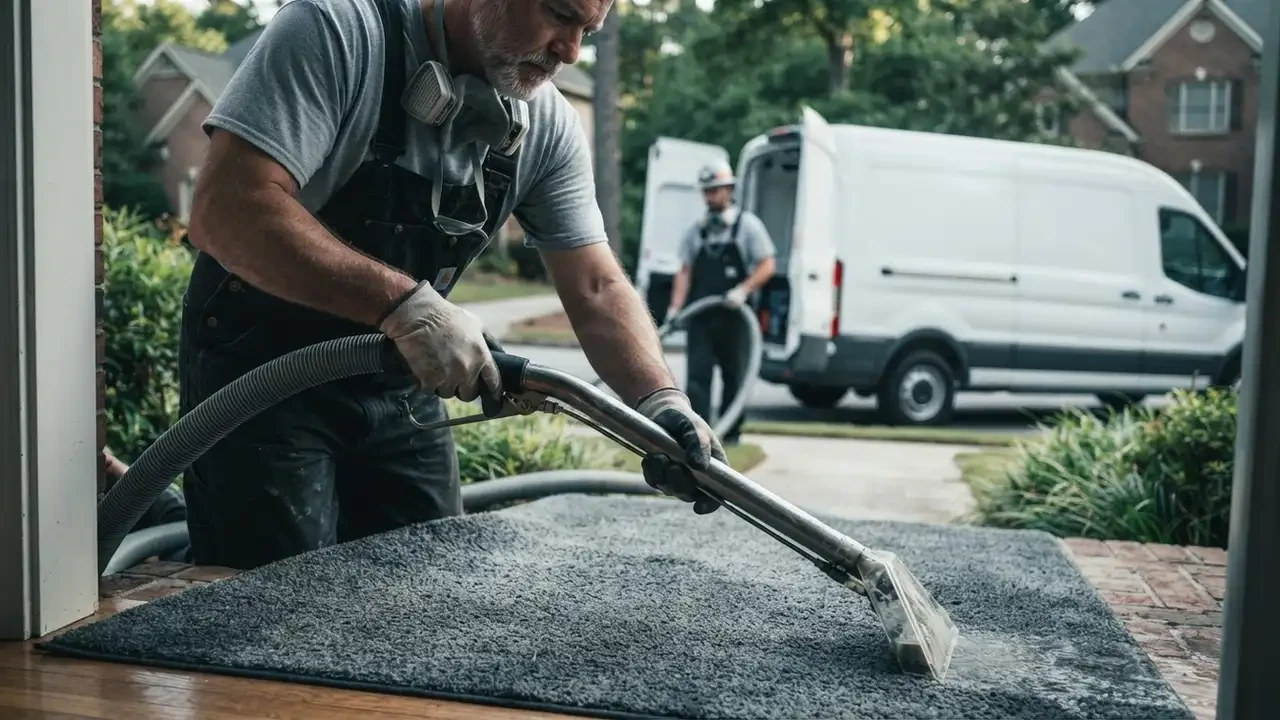
Water damage restoration in Smyrna : team of restoration technicians unloading heavy-duty water extraction equipment from a
Careful work. Honest options.
About this service

Air Duct Cleaning Smyrna GA Explained

air duct cleaning Smyrna GA is HVAC system cleaning that removes accumulated dust and debris from accessible supply and return ducts when buildup affects airflow or cleanliness. We begin by checking vents, filters, the blower area, and accessible duct runs; then we isolate sections and dislodge deposits for controlled collection. A cleaning is not a repair for a leaking duct, a failing HVAC unit, or active mold growth. We explain what we find, show you the affected areas, and identify any separate issue that needs attention.

Smyrna homes and commercial spaces face seasonal pollen, construction dust, and moisture after pipe bursts or roof leaks. If your vents smell musty after basement flooding, we inspect the ductwork and nearby insulation rather than masking the odor. Our duct cleaning Smyrna GA service is planned around the system's layout and condition. For air duct cleaning Smyrna GA near me searches, customers in Cobb County can reach our local team for an inspection and clear next steps.

  • ✓ Less loose duct debris
  • ✓ Airflow concerns investigated
  • ✓ Odor source addressed
  • ✓ A clearer maintenance baseline
What's included

What Smyrna Duct Cleaning Includes

Our service focuses on accessible HVAC duct sections and visible loose debris. We inspect before work, protect nearby rooms, clean the agreed areas, and review the result with you. Repairs to damaged ducts, HVAC mechanical service, mold remediation, and treatment of active moisture are separate needs; we identify them rather than treating them as ordinary cleaning.

01
✓

Accessible System Inspection

We check supply and return registers, visible duct openings, and filter condition before starting. This establishes what is accessible and helps us spot damage or moisture concerns. You can point out rooms with odor or weak airflow so the inspection addresses the places that matter to you.

02
✓

Room and Register Protection

We protect floor areas near access points and manage covers and equipment to contain loose debris. Our team works through the system in a planned order, keeping the work zone clear. Before leaving, we replace access covers and check the immediate area for cleanup.

03
✓

Debris Agitation and Collection

Suitable tools loosen deposits inside accessible duct runs while a connected collection system captures the material. We adjust the approach to the duct condition and construction. Wet, collapsed, or disconnected sections need assessment and repair rather than aggressive cleaning.

04
✓

Condition Review and Guidance

We show you relevant access points and explain any visible concern, such as residue, moisture, or a loose connection. You receive practical filter and follow-up guidance based on the system. If the finding needs another trade or restoration work, we explain that distinction plainly.

How it works

What to Expect During Cleaning

We start by walking the property with you and checking supply and return registers, filter condition, and accessible HVAC components. We ask about recent odors, renovations, or water events, then identify duct access points. This first review usually takes 20 to 40 minutes and helps us distinguish ordinary dust from a leak or moisture problem.

Before equipment starts, we cover nearby furnishings and floors around the work area, then close or protect registers as needed. We confirm that access panels can be opened without damaging the system. You will know which rooms we are working in and where hoses or collection equipment will be placed.

We use suitable brushes or air tools to loosen deposits inside accessible duct runs while maintaining controlled collection. The approach depends on duct material and condition; fragile, disconnected, or wet sections are not treated as ordinary cleaning. We work through the system methodically, rather than pushing debris toward occupied rooms.

Dislodged material is collected with a properly connected vacuum system. We check the work area and accessible openings for remaining loose debris, then inspect any concerns uncovered during cleaning. If we find moisture or damaged insulation, we explain the finding and recommend the appropriate repair path before it becomes hidden damage.

We review the cleaned access points with you, replace removed covers, and discuss filter size and replacement timing based on the equipment and household conditions. The final walk-through usually takes 10 to 15 minutes. You can ask about odors, airflow, or any part of the process before we leave.

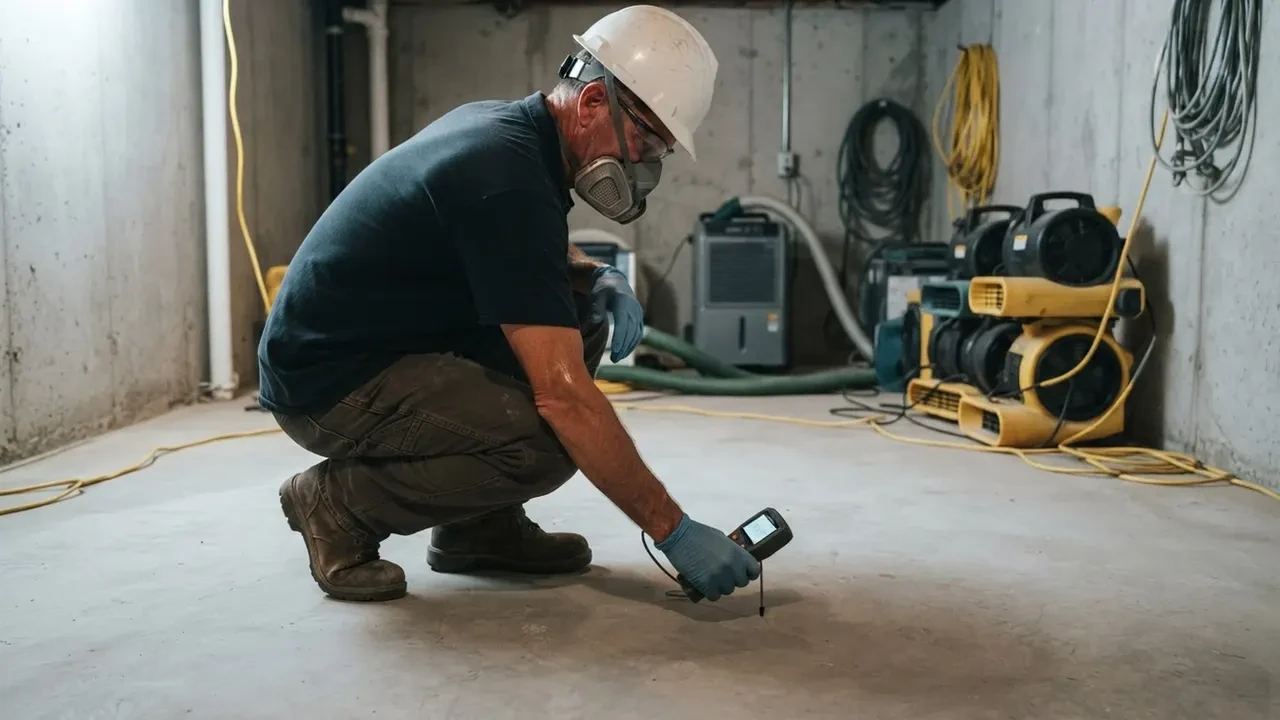
Water damage restoration in Smyrna : detail shot of a clean, dry concrete basement floor after water damage restoration
STEP 01System inspection

We start by walking the property with you and checking supply and return registers, filter condition, and accessible HVAC components. We ask about recent odors, renovations, or water events, then identify duct access points. This first review usually takes 20 to 40 minutes and helps us distinguish ordinary dust from a leak or moisture problem.

Tools & methods

Tools and Cleaning Methods

01
✓

Moisture Meters

We check suspect building materials near ducts after a leak or flood. Readings help distinguish a dry surface from material that still needs moisture control before cleaning.

02
✓

Thermal Imaging Cameras

We use thermal imaging as a screening tool to identify temperature patterns around ceilings, walls, and HVAC pathways. A suspicious pattern is checked further rather than treated as proof of moisture by itself.

03
✓

Borescopes

A borescope can help view suitable duct sections through an existing access point. It lets us discuss visible conditions without opening more of the system than the inspection requires.

04
✓

Industrial Air Movers

After water intrusion, industrial air movers support drying of affected building materials. They are restoration equipment, not a substitute for duct-cleaning collection or a cure for moisture that has not been removed.

05
✓

Dehumidifiers

Dehumidifiers help manage indoor humidity during drying after a leak or flood. We use them when conditions call for restoration drying, then reassess nearby materials before discussing HVAC cleaning.

Real results

Before and After.

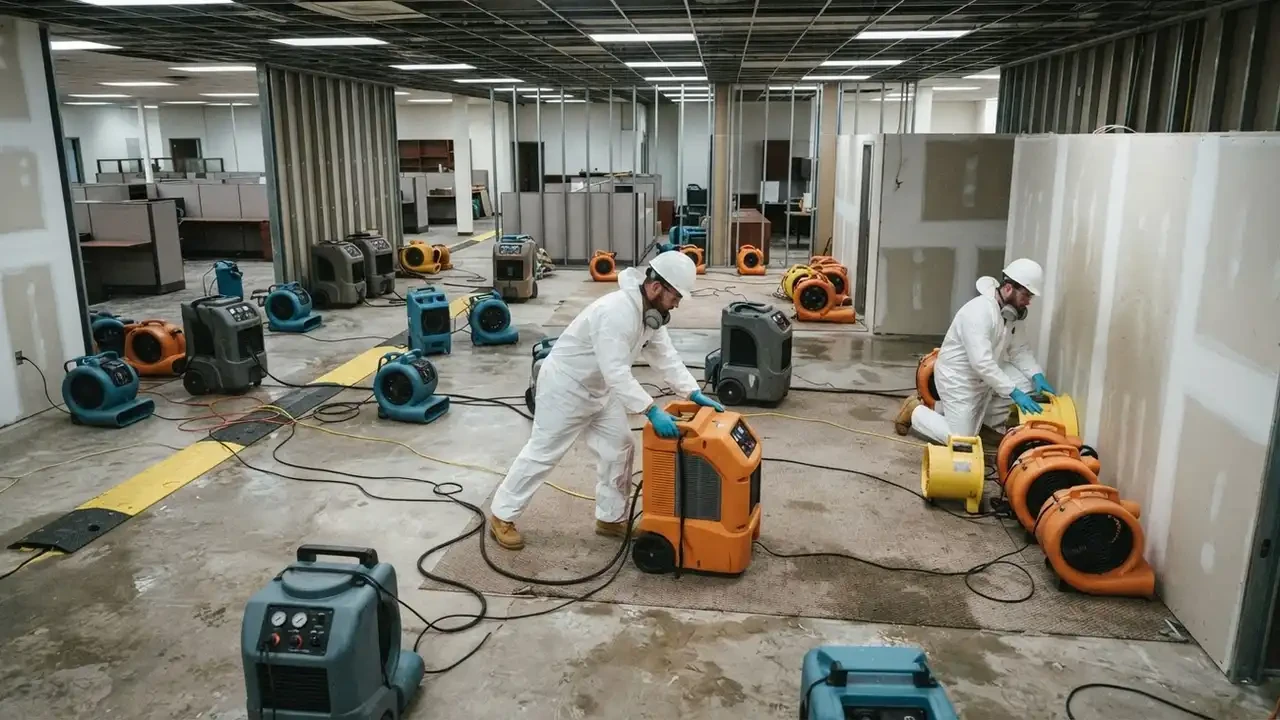
Water damage restoration in Smyrna : aerial view inside a large commercial office space, showing multiple industrial
Air Duct Cleaning

Renovation Dust at Registers

After interior work in a Smyrna home, fine dust appeared around several supply vents and on nearby furniture. The homeowner had replaced one filter but still saw deposits in two rooms. We inspected the accessible openings and confirmed loose debris in the sections suited to cleaning, with no visible sign of an active leak.

After: We protected the work areas and cleaned the accessible sections over about 3 hours. The selected register openings were visibly clearer at the final walk-through, and collected debris was removed from the home. We also identified the filter size and advised checking it again after remaining renovation cleanup.

Book this service →
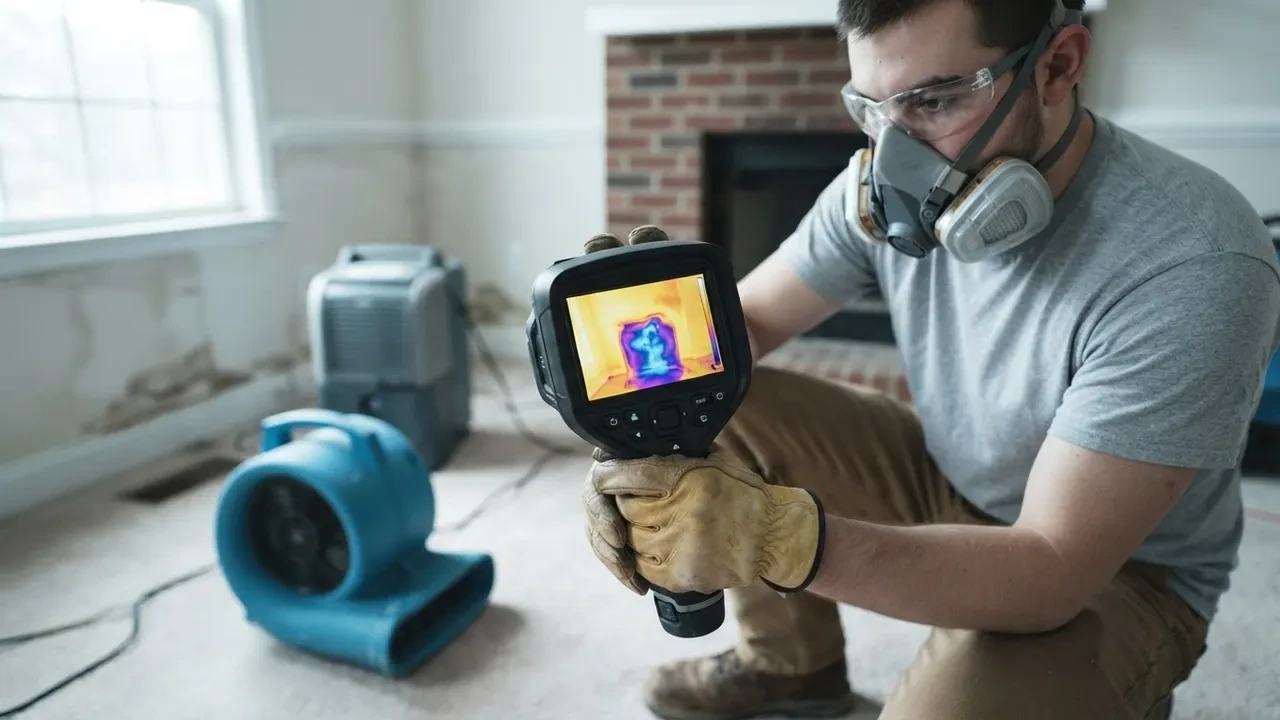
Water damage restoration in Smyrna : Close-up of a thermal imaging camera display showing a clear, colorful temperature
Air Duct Cleaning

Musty Odor After a Leak

A ceiling leak near a return left a stale smell in one room after the roof repair. The surrounding drywall looked dry, but the odor persisted. We checked the nearby materials and found moisture that needed drying before duct cleaning could be considered.

After: The damp area was addressed first, and the room was reassessed after drying. We then inspected the accessible return pathway and cleaned the section where loose residue was present. The homeowner received a clear explanation of the moisture repair and duct work as separate steps.

Book this service →
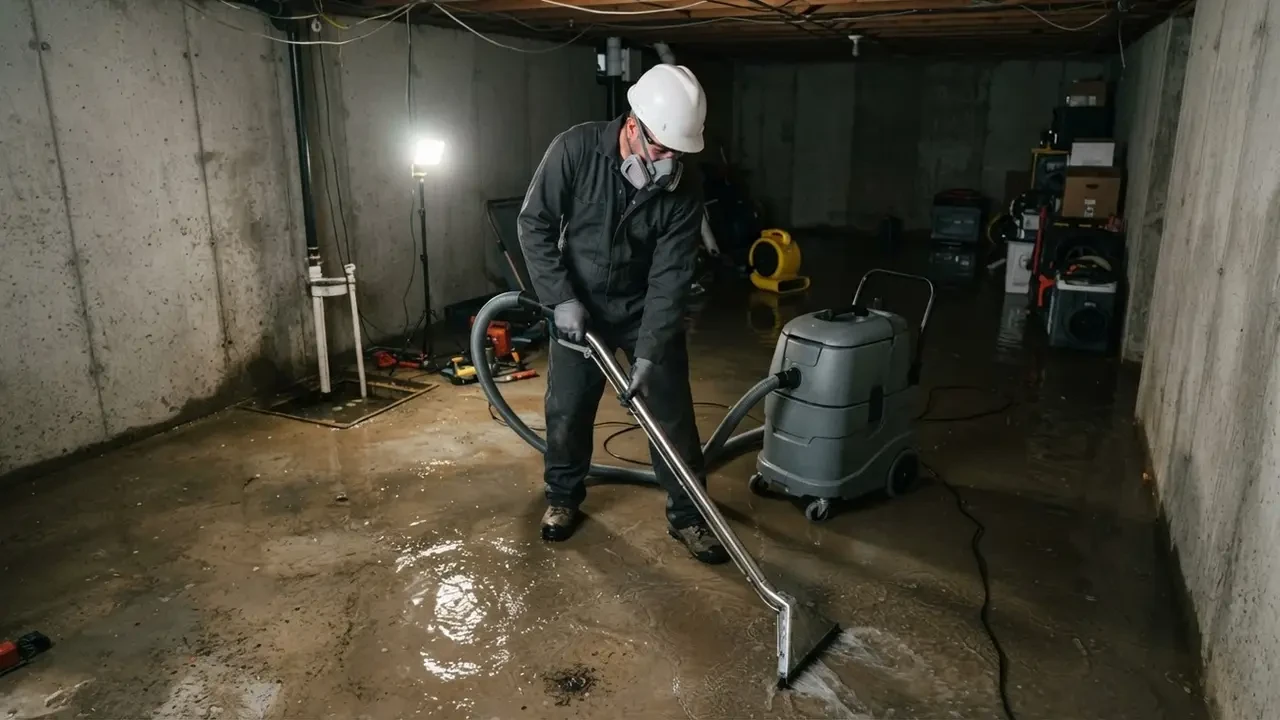
Water damage restoration in Smyrna : restoration technician using a professional-grade water extractor to remove standing
Air Duct Cleaning

Dust Across Several Vents

A household in Belmont Hills noticed dust around multiple registers and uneven airflow between rooms. The filter was overdue for inspection, and the family was unsure whether the ducts were the cause. We checked the affected openings and looked for visible restrictions before recommending work.

After: We cleaned suitable accessible sections and replaced the dirty filter with the homeowner's correctly sized replacement. The walk-through took about 15 minutes and showed the cleaned access points. One airflow concern remained linked to a loose register connection, which we identified for HVAC repair.

Book this service →
Problems we solve

Problems Addressed by Duct Cleaning Near Me Smyrna

A dusty register or stale smell can point to several different problems, so we inspect before recommending a cleaning. Our goal is to remove appropriate loose debris and identify conditions that need repair or moisture control. That keeps your next step tied to the cause, not just the symptom.

Ask a pro →
01

Dust Repeatedly Settling Around Supply Vents After Renovation Work

We inspect the affected registers and accessible ductwork, then clean suitable sections using controlled collection. We also check the filter and ask whether sanding or other dusty work is still underway. If the source remains active, we explain how to sequence the cleaning so you are not paying to remove fresh debris twice.

↗
02

Musty HVAC Odor After a Leak or Damp Crawl Space

We look for water-related clues around the equipment and duct pathway. Moisture meters help us check suspect materials; damp components are addressed before routine cleaning. If the concern is mold growth, we explain the need for an appropriate inspection or remediation instead of promising that duct cleaning alone will resolve it.

↗
03

Uneven Airflow and Visible Buildup at Several Registers

We compare affected registers, inspect accessible duct sections, and note visible obstructions. If cleaning is justified, we remove loose debris and review the results with you. When the evidence points to a mechanical issue, we direct you toward HVAC repair rather than selling a cleaning as a guaranteed fix.

↗
04

Debris or Odor Concerns After Basement Flooding

We first confirm that water removal and drying have addressed the affected area. Then we inspect nearby registers and duct openings for visible residue or debris. If the duct system needs cleaning, we plan it after the water issue is controlled so the work is not undermined by ongoing dampness.

↗
Proof you can check

Clear Standards and Service

  • IICRC WRT · Institute of Inspection, Cleaning and Restoration Certification
  • IICRC ASD · Institute of Inspection, Cleaning and Restoration Certification
  • IICRC AMRT · Institute of Inspection, Cleaning and Restoration Certification
Good questions

Air Duct Cleaning Questions, Answered

(833) 546-4116 →

A residential cleaning commonly varies depending on system size, access, and condition. A single HVAC system with straightforward access costs less than multiple systems or extensive duct runs. we base pricing on the work required, not a low advertised price followed by surprise add-ons. Call with your home size and vent count for a useful discussion of your situation.

Many homes do not need routine duct cleaning on a fixed annual schedule; consider an inspection every 3 to 5 years or when there is visible buildup, renovation dust, pests, or a specific odor. Change the HVAC filter on the interval its manufacturer recommends, often every 1 to 3 months depending on filter type and use. After a water event, inspect promptly rather than waiting for a calendar interval.

Insurance may cover duct cleaning when it is part of a covered water-loss repair, but ordinary dust removal is usually treated as maintenance. Coverage depends on your policy, cause of damage, and claim decision. Photograph visible damage and keep records of the water event. If a pipe burst or roof leak affected ducts, our team can document restoration findings for your claim discussion.

Smyrna Water Damage Company provides local air duct cleaning and restoration-related inspections for homes and businesses in Smyrna, Georgia. Call (833) 546-4116 and tell us whether you have dust, a musty odor, airflow trouble, or a recent leak. For 24/7 duct cleaning in Smyrna GA, contact us to discuss the situation; urgent water damage is handled as an emergency response, while duct cleaning is scheduled around the system and scope.

Ready when you are

Book Air Duct Cleaning Smyrna GA

If dust, a stale odor, or a recent leak has you concerned, call Smyrna Water Damage Company at (833) 546-4116. We will discuss your HVAC setup and the issue you noticed, then arrange the next step. Our local team serves Smyrna, GA and nearby Cobb County neighborhoods.

Call for service (833) 546-4116 →
Request an appointment

Contact Our Team

Call (833) 546-4116 for help with a leak, flooded room, sewage backup, or mold concern in Smyrna. Calls are accepted around the clock for urgent restoration requests, and we connect you with independent companies serving the area. Share your neighborhood or ZIP code, the water source, and whether the damage is still active so we can direct your request.

Request received — our team will be in touch shortly.
↗
Emergency?Call now