Stop moisture, stabilize boards, and protect your home

Hardwood Floor Water Damage Repair Smyrna GA

Hardwood floor water damage repair Smyrna GA helps homeowners and property managers address cupping, swollen seams, stains, and damp subfloors after a leak or flood. We locate the moisture, remove standing water, and dry the flooring with measured airflow rather than guesswork. Call Smyrna Water Damage Company at (833) 546-4116 when a pipe bursts, a roof leaks, or water spreads beneath your hardwood.

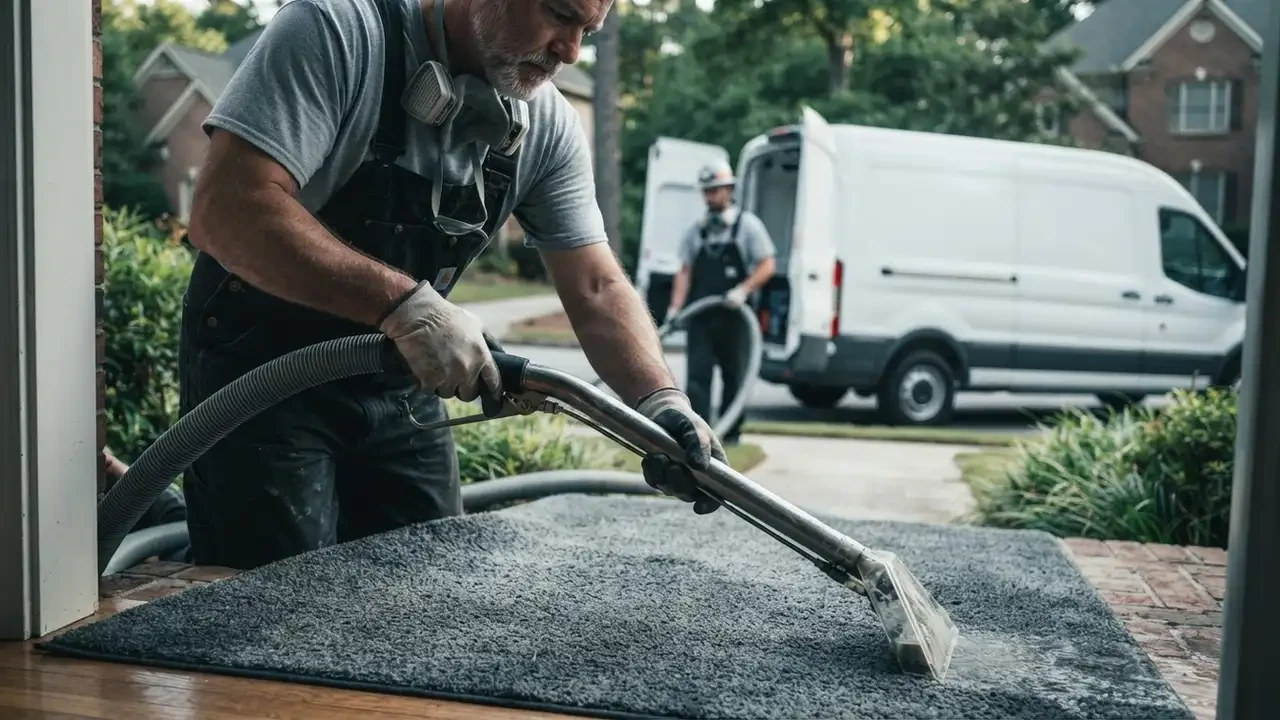
Water damage restoration in Smyrna : team of restoration technicians unloading heavy-duty water extraction equipment from a
Careful work. Honest options.
About this service

Hardwood Floor Water Damage Repair Smyrna GA

Hardwood floor water damage repair Smyrna GA is a floor and subfloor recovery service that removes water, controls moisture, and repairs or replaces boards affected by leaks or flooding. We first identify the water source and map moisture in the wood, nearby drywall, and subfloor. Then we extract standing water, set controlled drying equipment, and monitor readings before deciding whether boards can be restored, need sanding and refinishing, or must be replaced. Acting early can limit cupping, finish failure, odor, and mold growth beneath the floor.

Smyrna homes see hardwood damage after pipe bursts, roof leaks, appliance failures, and storm-related water entry. Water can travel under boards and appear far from the original leak, so a dry-looking surface does not prove the assembly is dry. Our hardwood floor water damage restoration Smyrna GA work starts with moisture readings and source control, then adapts to the floor type and affected area. If you are searching for same-day hardwood floor water damage repair Smyrna GA, call as soon as water is discovered; prompt extraction reduces the time boards remain saturated.

  • ✓ Preserve Salvageable Boards
  • ✓ Find Hidden Moisture
  • ✓ Dry With Measured Airflow
  • ✓ Coordinate Full-Room Repairs
What's included

What Hardwood Floor Repair Includes

Hardwood floor water damage repair includes locating the water source, inspecting affected flooring, extracting standing water, and monitoring drying in the floor and nearby materials. Repair may involve board replacement, sanding, or refinishing after moisture stabilizes. Work on the plumbing or roof, extensive reconstruction, and specialty finish matching are separate tasks when needed; we explain how they connect to the floor recovery plan.

01
✓

Moisture and Floor Inspection

We inspect board edges, finish condition, transitions, baseboards, and accessible subfloor areas. Readings from affected and unaffected sections help show the moisture pattern and guide the next step. This inspection also helps distinguish surface staining from swelling or moisture held beneath the hardwood.

02
✓

Standing Water Extraction

We remove accessible pooled water with suitable extraction equipment before setting drying equipment. Removing surface water promptly helps limit further absorption into boards and seams. We protect adjacent finishes and contents while working through the affected room and nearby transitions.

03
✓

Controlled Structural Drying

We use air movers and dehumidifiers to dry the floor assembly and nearby materials, then recheck moisture readings as conditions change. Drying continues until readings show adequate progress and the floor is stable for repair decisions, rather than ending after an arbitrary set period.

04
✓

Board Repair Coordination

When drying cannot restore a section, we identify damaged boards for repair or replacement and coordinate the finish work after the assembly is dry. The repair plan accounts for transitions, trim, and adjacent flooring so the result fits the affected room.

05
✓

Connected Material Checks

We check nearby drywall, insulation, and carpet padding when water crossed from the hardwood into adjoining materials. Finding those damp areas helps prevent lingering odor and stops floor repairs from covering moisture that still needs attention.

How it works

What to Expect During Repair

Our first step is to identify whether the water came from a supply line, appliance, roof leak, or another source and confirm it has stopped. If the leak is active, we help you isolate the affected area and coordinate the appropriate repair. This matters because drying a floor while water continues entering only extends the damage and increases the affected footprint.

We inspect the hardwood, transitions, baseboards, and accessible subfloor, then record moisture readings at affected and unaffected points. Thermal imaging can help flag temperature patterns that need meter confirmation. You see where moisture is concentrated and what materials are involved, including any damp drywall, carpet padding, or insulation beside the floor.

Water extraction units remove pooled water and reduce surface saturation before drying begins. We protect nearby belongings and use floor-appropriate methods to avoid unnecessary abrasion or finish damage. For a small clean-water leak, this stage may take a few hours; widespread flooding or water trapped under boards requires more extensive removal and inspection.

We position industrial air movers and dehumidifiers to circulate air and draw moisture from the room and floor assembly. Readings are checked at intervals, with equipment adjusted as conditions change. Many drying projects take several days, but we base progress on measured moisture and stable conditions, not a promised one-size-fits-all timetable.

Once the floor and supporting materials reach suitable moisture levels, we determine whether affected boards need repair, replacement, sanding, or refinishing. We also address related trim or drywall damage when included in the restoration work. Before equipment leaves, we review the completed work with you and explain practical steps for keeping the repaired area dry.

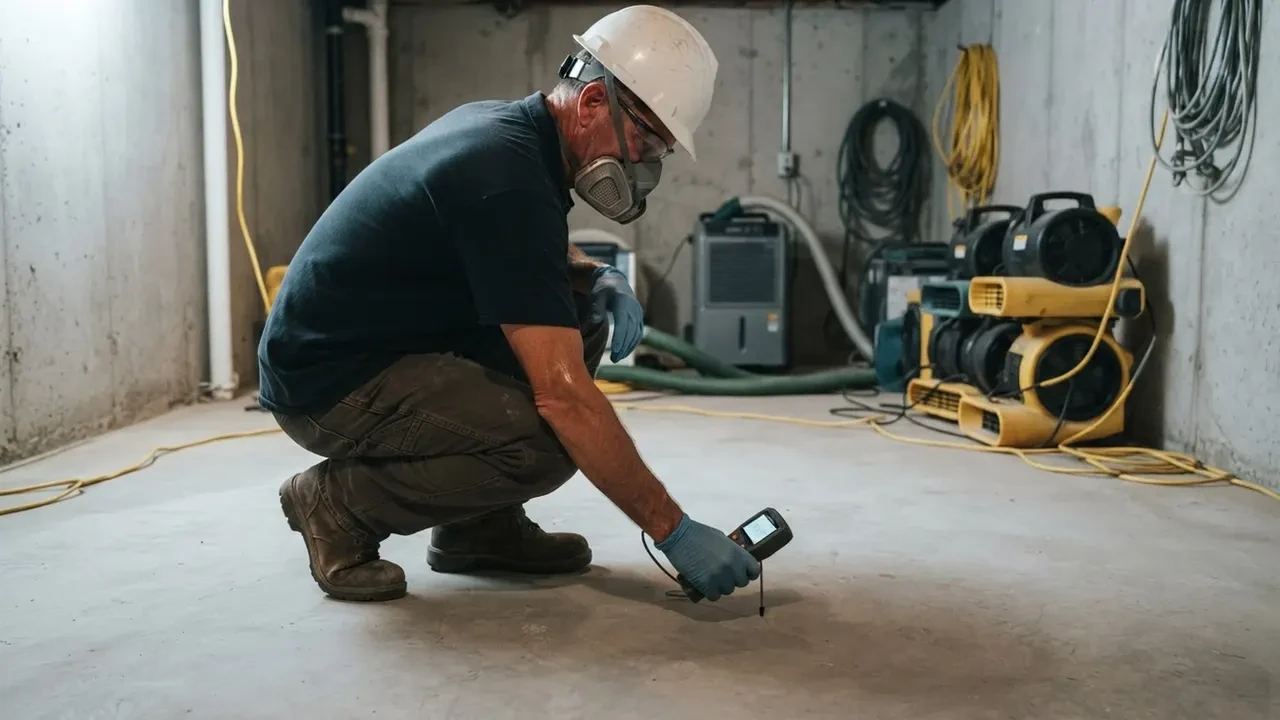
Water damage restoration in Smyrna : detail shot of a clean, dry concrete basement floor after water damage restoration
STEP 01Stop the Source

Our first step is to identify whether the water came from a supply line, appliance, roof leak, or another source and confirm it has stopped. If the leak is active, we help you isolate the affected area and coordinate the appropriate repair. This matters because drying a floor while water continues entering only extends the damage and increases the affected footprint.

Tools & methods

Tools and Drying Methods

01
✓

Moisture Meters

We use moisture meters to compare readings in wet hardwood, nearby materials, and a dry reference area. Repeat measurements help track drying and guide repair timing.

02
✓

Thermal Imaging Cameras

Thermal imaging cameras help identify temperature patterns that warrant closer inspection behind or beneath visible surfaces. We confirm suspected moisture with direct measurement.

03
✓

Industrial Air Movers and Dehumidifiers

We position industrial air movers and dehumidifiers to circulate air and remove released moisture from the room. Equipment placement is adjusted as readings and room conditions change.

04
✓

Water Extraction Units

Water extraction units remove pooled water and reduce surface saturation before structural drying begins. We select an approach that suits the water volume and floor finish.

05
✓

Hygrometers

Hygrometers track indoor relative humidity during drying. Those readings help us understand whether the room is supporting moisture removal or needs equipment adjustments.

Real results

Before and After.

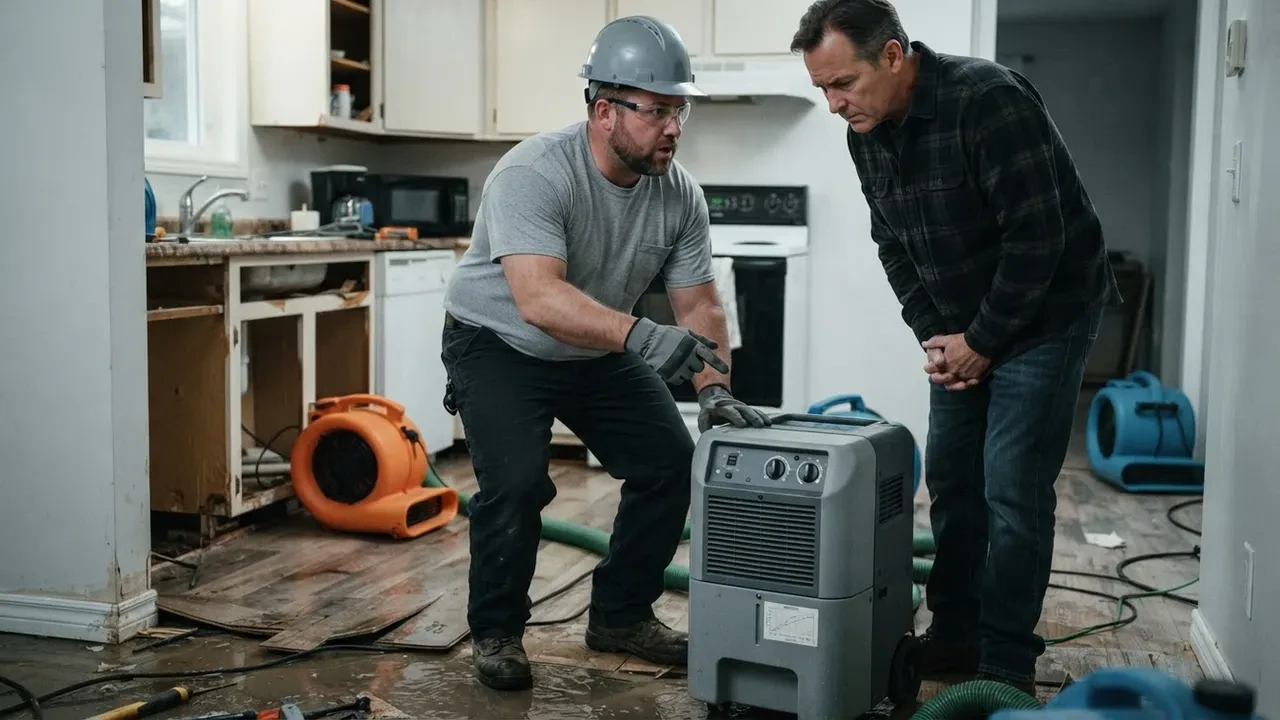
Water damage restoration in Smyrna : restoration technician explaining the drying process to a male homeowner in his
Hardwood Floor Water Damage Repair

Kitchen Leak, Focused Floor Recovery

A refrigerator supply line leaked across a kitchen and into the adjoining hall. Several board edges had lifted, and the darkened seams made the damage look wider than the visible puddle. Water had also reached the lower edge of the nearby cabinet toe-kick, raising concern that the subfloor remained wet.

After: We extracted standing water, mapped moisture in both rooms, and ran monitored drying for five days. Readings improved across the affected area, and inspection showed that most boards remained sound. A limited section was replaced and blended with the surrounding floor after the assembly stabilized.

Book this service →
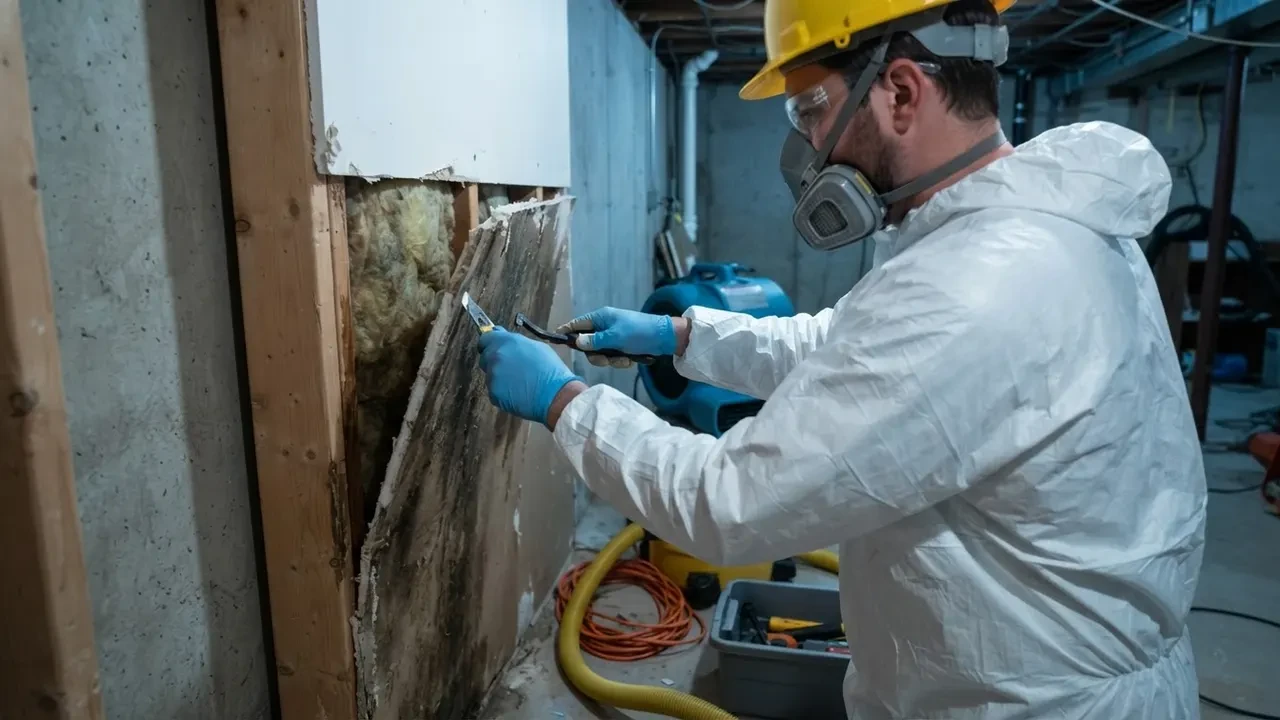
Water damage restoration in Smyrna : restoration technician in full PPE, including a respirator, carefully removing a
Hardwood Floor Water Damage Repair

Roof Leak Along Living Room Wall

A roof leak left a stain at the edge of the hardwood and darkened the baseboard in a Smyrna living room. The surface felt dry, but moisture readings found dampness near the wall and beneath the first rows of boards. Refinishing at that point could have sealed in the remaining moisture.

After: After the roof source was controlled, we dried the wall edge and floor assembly with targeted airflow and dehumidification. Monitoring continued for four days. Once readings stabilized, the damaged trim was repaired and the affected flooring received a focused finish repair instead of a full-room replacement.

Book this service →
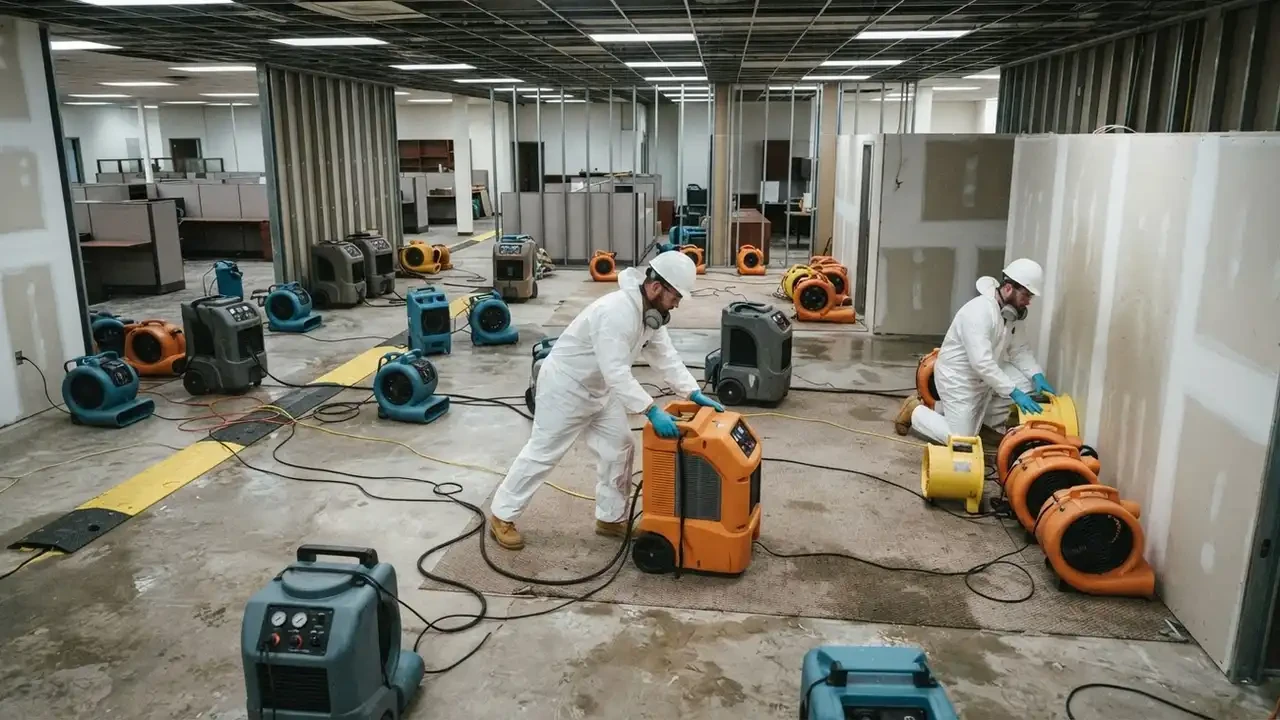
Water damage restoration in Smyrna : aerial view inside a large commercial office space, showing multiple industrial
Hardwood Floor Water Damage Repair

Basement Water and Swollen Boards

A sump problem left water on a finished basement floor, with hardwood swelling near the perimeter. Stored items blocked part of the room, and the owner could not tell whether the water had reached the subfloor or adjacent drywall. The floor needed inspection before any boards were removed.

After: We cleared the standing water, checked accessible edges, and monitored drying for six days. Several perimeter boards remained too distorted to reuse, while the dry interior section was preserved. The affected boards were replaced after the moisture source was addressed and the surrounding materials were stable.

Book this service →
Problems we solve

Solve Hardwood Water Damage Before It Spreads

Hardwood changes shape as it absorbs water, and damage can continue below the surface after a leak stops. For homeowners seeking 24/7 hardwood floor water damage restoration in Smyrna GA, early assessment helps identify what needs extraction, drying, or replacement. We address the cause and the affected floor assembly together.

Ask a pro →
01

Raised Board Edges and Cupping After a Kitchen Leak

We map moisture across the hardwood and check the subfloor before selecting airflow and dehumidification. As readings improve, we assess whether the boards can settle or whether a focused replacement is needed. We delay sanding until the floor is dry and stable, which avoids locking moisture into the repair.

↗
02

Dark Seams and Persistent Odor After a Roof Leak

We trace the affected area beyond the visible stain, inspect connected materials, and control moisture before cosmetic repairs. If the roof source is still active, it must be addressed alongside restoration. Once the floor and adjacent materials are dry, we coordinate the right repair or refinishing work.

↗
03

Buckled Hardwood After Basement or Storm Flooding

We identify the water conditions, remove standing water, and determine which materials can be cleaned and dried safely. We inspect the floor assembly and connected surfaces, then recommend drying or removal based on the damage. Contaminated porous materials are handled differently from a contained clean-water leak.

↗
04

Moisture Returning Beneath Recently Dried Flooring

We check moisture patterns around the damaged area and look for conditions that indicate an ongoing source. When findings point beyond the hardwood, we coordinate the appropriate plumbing, foundation, or crawl space work. The floor repair proceeds after the source is controlled and readings support a durable result.

↗
Proof you can check

Training and Work Standards

  • Water Damage Restoration Technician training · Institute of Inspection, Cleaning and Restoration Certification
  • Applied Structural Drying training · Institute of Inspection, Cleaning and Restoration Certification
  • EPA Lead-Safe work practices · U.S. Environmental Protection Agency
Good questions

Hardwood Floor Repair Questions

(833) 546-4116 →

Localized drying and minor repairs often vary while larger replacement and refinishing projects can be higher for larger losses. The price in Smyrna depends on affected square footage, water category, subfloor condition, and whether trim or drywall also needs repair. We assess the damage and explain the cost drivers before work begins. Insurance coverage varies by policy and cause.

Yes, many floors can be saved when water is removed promptly and the boards remain structurally sound. We check for cupping, finish separation, loose boards, and moisture beneath the floor before choosing a drying plan. Clean water from a contained leak presents a different situation from sewage or prolonged flooding. If boards are swollen, delaminated, or contaminated, we explain which sections need replacement.

Water extraction often takes a few hours, while monitored structural drying commonly takes 3-7 days; repairs and refinishing can add several days. The timeline depends on how long the floor was wet, the wood and subfloor construction, and indoor humidity. We check moisture readings during the process and do not recommend refinishing until the floor is stable enough for that work.

Smyrna Water Damage Company handles hardwood floor water damage restoration in Smyrna, including water removal, moisture checks, controlled drying, and repair coordination. Call (833) 546-4116 for help after a pipe burst, roof leak, or flooding. If you are looking for hardwood floor water damage repair Smyrna GA near me, share the leak source, when it happened, and which rooms are affected so we can understand the situation.

Ready when you are

Call for Hardwood Floor Repair in Smyrna

Water keeps moving beneath hardwood after the surface looks dry. Call Smyrna Water Damage Company at (833) 546-4116 to arrange an assessment and start water removal, moisture checks, and a practical repair plan for your Smyrna property.

Call for Repair (833) 546-4116 →
Request an appointment

Contact Our Team

Call (833) 546-4116 for help with a leak, flooded room, sewage backup, or mold concern in Smyrna. Calls are accepted around the clock for urgent restoration requests, and we connect you with independent companies serving the area. Share your neighborhood or ZIP code, the water source, and whether the damage is still active so we can direct your request.

Request received — our team will be in touch shortly.
↗
Emergency?Call now